
Kia's sustainability is in a mix of technologies
Not just batteries: solutions for everyone

2' min read
2' min read
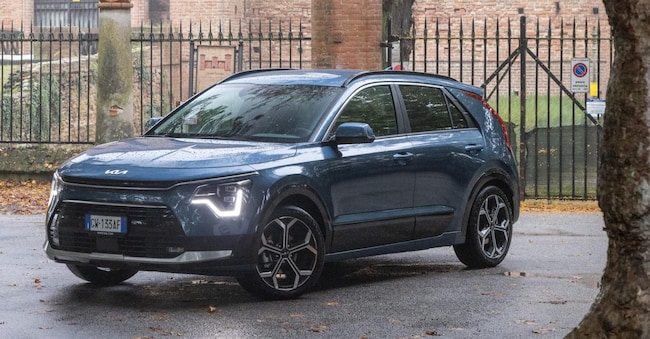
At Kia, they are increasingly convinced that the ecological transition must also be tackled with fuel-saving solutions. Hence the idea that no other manufacturer has proposed to date, of Tri-Fuel, which in practice means combining a hybrid version with LPG, a guarantee of low costs and autonomy that in the Kia Niro Tri-Fuel materialises in more than 1,600 km with further reduced fuel costs.
The result is that the Korean crossover equipped in this way emits 6% less CO2 even than the full hybrid version, equal to 6 grams per kilometre less. Only Kia could believe in this solution after having brought more than 120,000 LPG-powered cars onto Italian roads in 28 years, a power source that has saved users 600 million euros. Not to mention that the three different energy sources, electricity from the hybrid, petrol and LPG from the thermal unit, guarantee efficient consumption and emissions. Gradually the system could be used on all the other hybrids in the range, starting with the new Sportage, which three years after its launch is preparing for a mainly aesthetic update scheduled for 2024. The engine range includes variants of the 1.6 cc turbocharged mild, full and plug-in hybrid.
Kia, however, remains focused on electric mode and in the immediate future on the new EV3, which will not only enter a strategic sector, but will also bring the debut of artificial intelligence for on-board services, which will be extended to all latest and next-generation models. Finally, the brand is preparing to launch a range of electric vans that will be flanked by practical MPVs intended both for large families and for transporting people or bulky materials. The PV5 - this is the name of the mega van on display at the Paris Motor Show - will go on sale in 2025.

