
Orcas ramming and sinking a 15-metre yacht in the Strait of Gibraltar
A 15-metre ship sank after encountering cetaceans, the two men on board were rescued
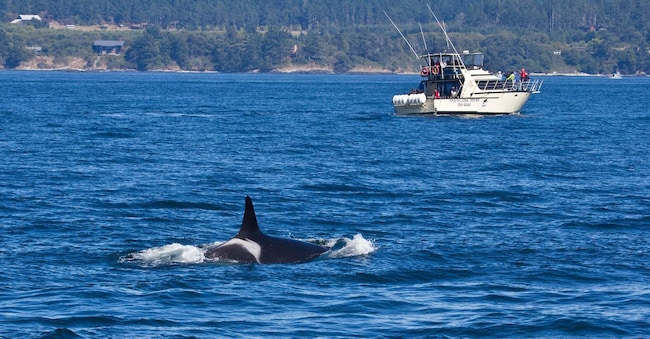
The killer whale war on boats continues. It was 09:00 on 12 May when the yacht "Alboran Cognac" sank in the Moroccan territorial waters of the Strait of Gibraltar under the repeated blows of a group of these aquatic mammals. The two men on board were forced to abandon ship in a hurry and, thanks to the intervention of a passing tanker and the coordination of the Spanish maritime rescue service, were rescued almost unharmed. The event, however, reignited the debate on the impacts of human-animal interactions in international waters.
The GT Atlantic Orca subpopulation of 'Gladis' orcas, comprising about 15 specimens, has been identified as particularly interactive with vessels passing through its natural habitat. According to the GT Atlantic Orca research group, more than 700 interactions between orcas and ships have been documented in the region since May 2020. These interactions vary in their typology, but many scientists interpret them as expressions of curiosity, playful behaviour or an aggressive reaction towards boats perceived as competitors for bluefin tuna, the preferred prey of these cetaceans.
Intelligence and Culture: The Social Behaviour of Killer Whales
Killer whales, often mistakenly called 'killer whales', are actually the largest member of the dolphin family and are classified among the endangered species. Characterised by remarkable intelligence and complex social behaviour, these animals can develop unique cultures, including the use of dialects and social learning. This is crucial to understanding their interaction with boats: young orcas learn by observing adults and this may include interaction with floating objects, such as boats.
The phenomenon of killer whales 'playing' with boats has been observed by many. Renaud de Stephanis, president of the NGO Circe, studies cetaceans in the Mediterranean and suggests that ramming episodes may be more akin to a game than an attack. Yet, even if not aggressive, such behaviour can cause significant damage to vessels and pose a safety risk to people on board.
Coexistence Strategies
The response of the Spanish and Portuguese authorities includes satellite monitoring of killer whales to inform boaters on how to avoid potential encounters. In addition, official recommendations suggest stopping vessels if approached by killer whales to make them less attractive and potentially reduce interaction. The issue raises broader issues related to the coexistence between human activities and marine fauna in areas of high vessel traffic, such as the Strait of Gibraltar.


