
Kore and Confindustria Sicilia are launching a business school to train Sicilian managers
KBS, the University of Enna’s project in partnership with the business community, was launched in Palermo. Schifani said: ‘Investing in human capital means investing in Sicily’s future’
by Nino Amadore
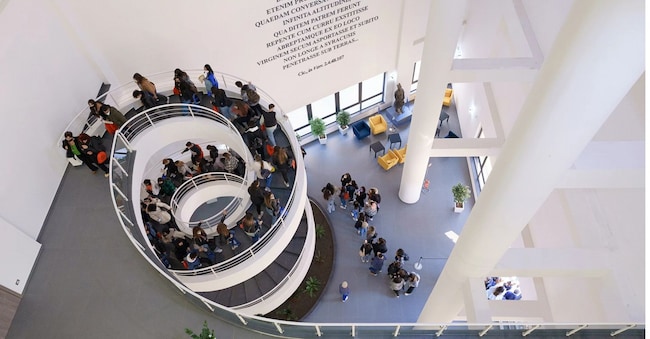
A Sicilian university business school aimed at training managers, retaining talent on the island and forging closer links between universities and businesses. KBS, the new advanced training programme promoted by Kore University of Enna in collaboration with Confindustria Sicilia, was unveiled yesterday afternoon at the headquarters of the Palermo and Enna Chamber of Commerce.
The project centres on an MBA (Master of Business Administration), designed to strengthen management training provision in Sicily and support young people’s entry into the workforce. The aim is to build a solid bridge between academic education and the needs of businesses, at a time when companies are seeking candidates with increasingly strong skills in management, organisation, innovation, markets and sustainability.
The presentation was attended by the President of the Sicilian Regional Government, Renato Schifani, alongside the President of Confindustria Sicilia, Diego Bivona, the President of Kore University, Cataldo Salerno, the Vice-Chancellor Paolo Scollo, and representatives from the companies participating in the project.
“Investing in human capital means investing in Sicily’s future,” said Schifani. “For too long, Sicily has seen thousands of young people leave in search of professional opportunities that they often couldn’t find in their own region. The brain drain isn’t tackled with slogans, but by fostering development, skilled employment and confidence in the future. Our young people aren’t asking for handouts; they’re asking for opportunities. And opportunities arise from a growing economy.”
The regional president also linked the project to the regional government’s strategy regarding training and attracting investment. “The real competitive factor today is skills,” added Schifani. “That is why we are focusing on higher technical education, professional development and strengthening the relationship between universities and the business sector. We must build an ecosystem in which universities, vocational training providers, businesses and institutions collaborate on a permanent basis.”


