
Kraft Heinz, the split and talks with Unilever
Both conglomerates are looking for solutions to revive part of the business affected by the consumer crisis

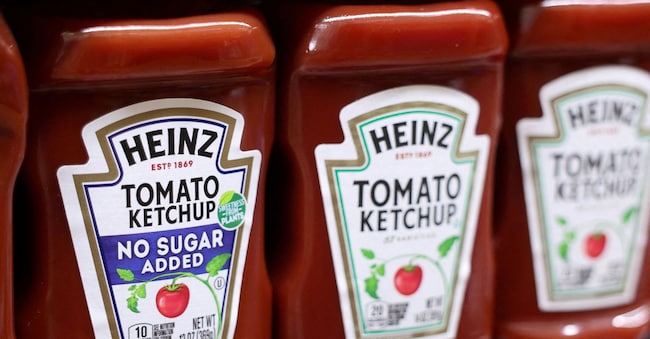
Kraft Heinz's attempt at a strategic business review continues. After the freezing of the planned split between the sauces and food divisions, which was halted in February by new CEO Steve Cahillane, the group is reportedly also considering a hypothetical merger project between the same sauces division and Unilever's food assets, which have been purposely spun off for the purpose. The talks, which had been going on for the past few days, ended yesterday, according to the FT quoting persons with knowledge of the facts. None of the parties' representatives made any statements. Unilever, which also has Hellmann's mayonnaise in its portfolio, among others, is nevertheless considering a separation of its food business, according to Bloomberg, in order to concentrate on growth in beauty, personal care and wellness brands. Among the hypotheses are the spin-off of the entire food business, or the retention of a few core brands while separating the rest, both expected no earlier than 2027.
Under the leadership of CEO Fernando Fernandez, Unilever continued to work on transforming its portfolio. Last year, it spun off its ice cream division into Magnum Ice Cream, retaining a share of almost 20%, which it will sell in the coming years.
Over the past decade, Unilever has sold other food businesses, including its global spreads division, which included I Can't Believe It's Not Butter!, and more recently snack brand Graze and fake meat producer The Vegetarian Butcher. The company still has about EUR 1 billion (USD 1.2 billion) of local food brands to divest.
Hellmann's and Knorr make up 60 per cent of Unilever's food sales, and Fernandez said that this share will rise to 70 per cent and 75 per cent after getting rid of local brands. The CEO did not rule out divesting the entire food business when asked about the possibility back in December, although he noted that Unilever is outperforming the rest of the industry.
Large food companies such as Unilever and competitor Nestlé are trying to stimulate growth in an environment where consumers, having less liquidity, are reducing their spending or turning to cheaper store brands. A further challenge for the industry is the changing eating habits of consumers, who tend to prefer lower-calorie products.

