
Energy, Italia and Europe losers: power is in the hands of the big powers
Energy is power: who controls it influences the economy and national sovereignty
by Sergio Nava
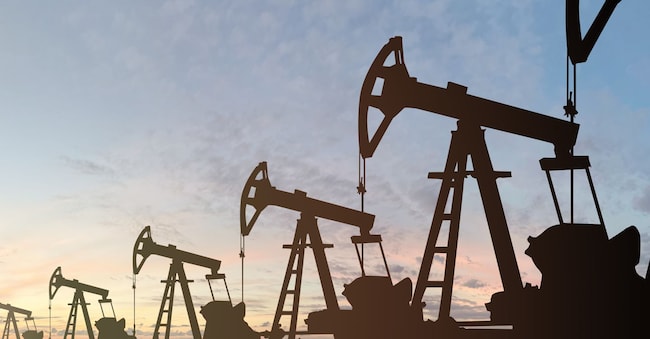
"This crisis teaches that energy is power," sums up the editor of the magazine 'Energia' Alberto Clò, as the meeting on 'The Curse of Oil' draws to a close. Clò, former Minister of Industry, makes the concept explicit: 'Those who have energy benefit from it, those who don't end up in a corner. It is power, because it influences relations between the great powers, it conditions economic trends, it defines the actual sovereignty we have. Italia is weak, so it is not sovereign, we have no cards to play. Not only do we not have energy, we do not even extract what little we could produce'.
Italia, with Europe, appear to be the big losers in the crisis triggered by first the Russian invasion of Ukraine and then the blockade of Hormuz. With oil as the background 'curse': 'Unfortunately a harsh reality, with which we have to reckon. For three reasons: crude oil continues to be the dominant item in energy consumption, furthermore, every geopolitical tension impacts oil. Finally, oil cannot be done without it,' Clò analyses.
More possibilistic about the possibility of getting out of the 'oil curse' is Professor Valeria Termini (Roma Tre University): 'There are lights and shadows. The shadows are clear and evident. However, humanity does not stand still: innovation continues, even in the energy sector. This represents a small note of hope'.
"The oil curse is neither myth nor reality, in fact I do not like the term 'curse'," commented Tlsg President Arrigo Sadun, former Executive Director of the IMF. "Oil has been and still is a pillar of our civilisation, it has brought enormous benefits to the international community. However, like many other advances, it also has negative aspects. Aspects arising largely from dynamics that stem from political choices'.
The Iranian crisis is the metronome that beats the rhythm of the debate. "It will have enormous consequences, it represents the greatest reduction in oil supply since the post-war period, down to 15 million barrels a day," notes Clò, who specifies how "today geopolitical tensions affect 70% of maritime traffic, 20% of which is linked to Hormuz". For Sadun, there are two possible scenarios, excluding a third (catastrophic) one: 'The most optimistic one is a crisis that is resolved in a matter of weeks. The consequence is a further drop of half a percentage point in global growth, compared to already downwardly adjusted forecasts. In the pessimistic one, we are talking about an overall drop of one and a half points, should the energy crisis continue for months. The global growth rate would end up falling by 30-40%'.

