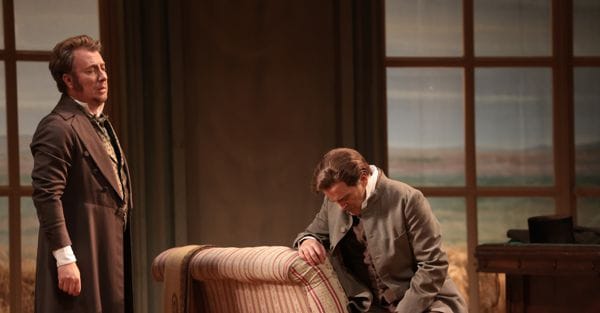
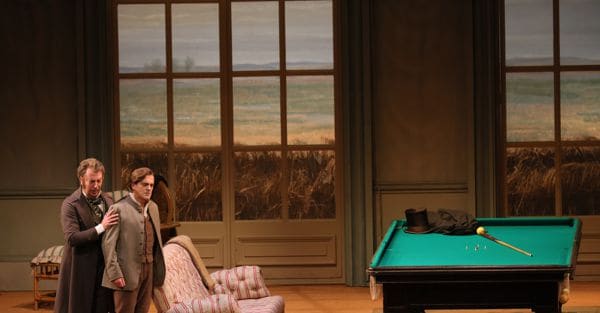
*La Traviata* at La Scala: the price of freedom
Violetta returns in Liliana Cavani’s legendary production. From the legend of Callas to 300 performances at La Scala, a story of love, sacrifice and freedom

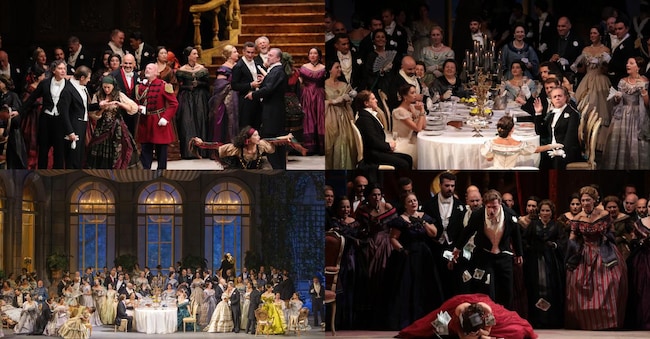
‘I must always be free to revel, from joy to joy.’ And yet, Violetta’s freedom will be short-lived. Perhaps this is precisely where the magic of La Traviata lies: in the painful gap between the freedom she longs for and the life she is granted, between the glitz of the parties and a loneliness that Verdi transforms into music. From 19 September to 15 October 2026, *La traviata* returns to La Scala in Liliana Cavani’s historic production, with sets by three-time Oscar winner Dante Ferretti, costumes by Gabriella Pescucci, lighting by Andrea Giretti and choreography by Micha van Hoecke. Michele Gamba takes to the podium, returning to Verdi’s works following his 2022 production of *Rigoletto* at La Scala.
Violetta, a woman in society
For Cavani, this is first and foremost a social work. Verdi holds up a mirror to a society he knew well. Violetta was born into poverty, at a time when women had little opportunity to choose their own destiny. Surrounding her, rich and powerful men could afford freedoms that the very same world transformed, for a woman, into guilt and judgement. Even the title bears the mark of that condemnation: ‘traviata’ referred to a woman who had strayed from the path considered righteous. Violetta thus becomes a woman led astray, above all, by her own fate. And the distance from the nineteenth century shrinks, because certain inequalities, in different forms, still persist in the present.
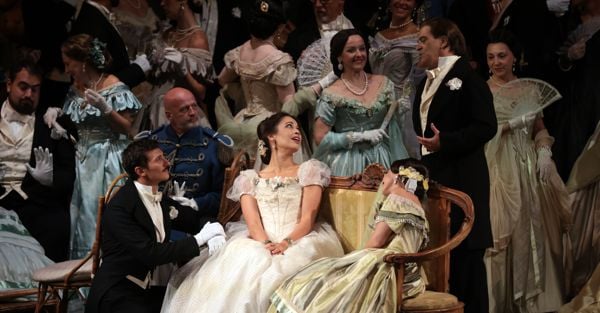
When love changes the rules
The world around her revolves around money and appearances. Relationships are based on convenience and social standing. Then Alfredo arrives. True love disrupts an order that seemed immutable, and Violetta discovers a feeling capable of changing her outlook on life just as her fate draws to a close. The sacrifice demanded by Giorgio Germont brutally brings the weight of society back into their story; she renounces Alfredo and personally pays the price for the respectability of others. Even the stage design conveys this tension. The courtyard, the open air, the desire to escape the confines of the rooms become a need for breathing space and freedom, whilst the Chorus observes and interacts, almost transforming society itself into a character.