
Sofia Coppola’s *La Traviata*, with costumes by Valentino, at the Teatro dell’Opera
Following the success of the ballet *A Midsummer Night’s Dream*, Verdi’s great classic returns to the programme from 21 to 30 June

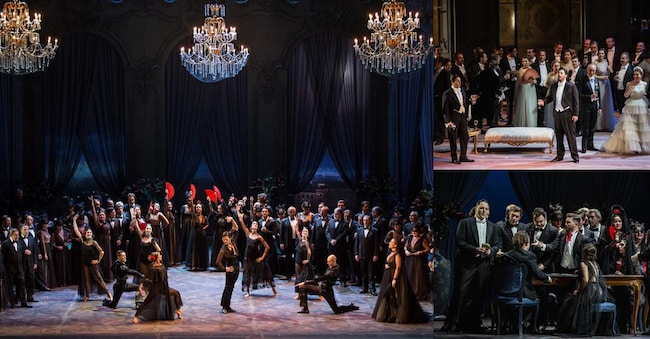
From 21 to 30 June, Giuseppe Verdi’s *La Traviata* returns to the Teatro dell’Opera in Rome. This production follows the staging of the ballet *A Midsummer Night’s Dream* — with music by Mendelssohn and choreography by George Balanchine — at the Teatro Costanzi, and precedes *Aida*, which will move to the Circo Massimo from 12 to 28 July.
This stage production of Verdi’s opera was directed by Sofia Coppola and conducted by Francesco Ivan Spagna, and was first performed 10 years ago. The winning combination proved to be the one with the world of fashion.
Violetta’s costumes were designed by Valentino Garavani, whilst the other costumes were designed by the creative directors of the time: Maria Grazia Chiuri, now creative director at Fendi, was responsible for designing the women’s costumes, such as Flora’s, whilst Pierpaolo Piccioli designed the chorus costumes.
The opera is based on Verdi’s final version from 1854 — it had already been staged in 1853, but had been a flop due to a substandard cast.
The appeal of this opera lies not only in Verdi’s score but also in Francesco Maria Piave’s libretto. The story is the same as that of Alexandre Dumas fils’s *Le Dame aux Camélias*, which was inspired by the meteoric life of the socialite Marie Duplessis (Verdi’s Violetta) and her romantic relationship with the writer before he became as famous as his father. A relationship that defied social conventions.

