
Landscapes and memory between the coast of Trapani and the Belice Valley
The western part of the island is a mosaic of hills dotted with villages waiting to be rediscovered, such as Gibellina, Italy’s Capital of Contemporary Art 2026

Key points
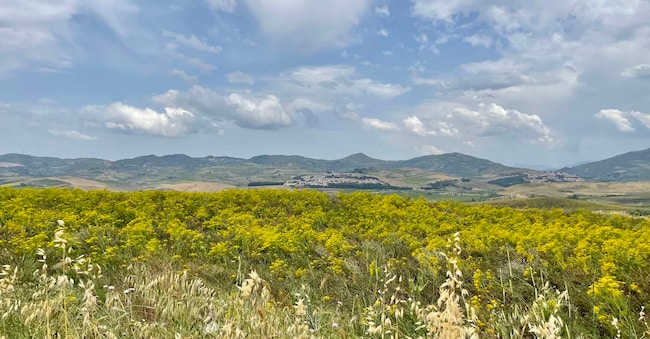
Coves, bays, sea stacks, headlands and sandy beaches alternate along the north-western coast of Sicily, where every seaside resort showcases the beauty of this stretch of the island’s coastline. Beyond the sea, however, one need only venture a few kilometres inland to be surprised by unexpected landscapes that reveal the other side of western Sicily. A mosaic of hills where vegetation thrives, villages and towns that still bear the scars of the devastating earthquake that struck the Belice Valley in 1968. A scarred landscape that tells a story of destruction, yet at the same time, through new architecture and reconstruction, narrates a journey of urban regeneration that weaves together art and memory. With some days spent by the sea and others exploring the hinterland, this itinerary takes in some of the most fascinating places in western Sicily.
From San Vito lo Capo to Castellammare del Golfo
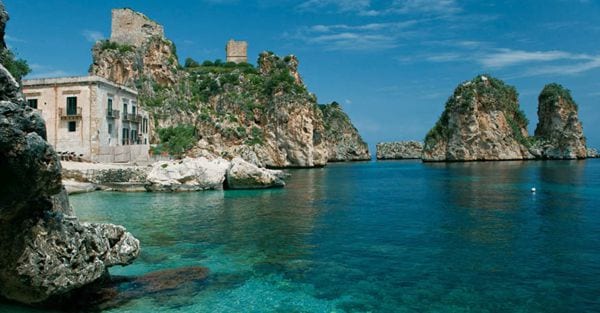
Wide sandy beaches, bays, headlands, coves and sea stacks. The coastal resorts of western Sicily each have their own distinct character, and each is unique in its own way. Those arriving on the island in autumn have the chance to spend the day outdoors, enjoying milder temperatures than in previous months and with more energy to discover all the beauty this region has to offer. The journey could begin at San Vito lo Capo on the Trapani coast, at the north-western tip of Sicily: the sandy bay that encircles the village creates a picture-perfect scene, cementing its status as one of the area’s most popular tourist destinations. The sense of wonder continues with the Zingaro Nature Reserve, which stretches along the western part of the Gulf of Castellammare, on the San Vito lo Capo peninsula overlooking the Tyrrhenian Sea, and can be explored on foot along some of the trails that criss-cross the area, starting, for example, from Scopello. The silhouette of this charming village is defined above all by the two distinctive sea stacks that rise from the sea and dominate the bay, which is overlooked by the defensive towers built in the 13th century when the ancient tuna trap was constructed. As you stroll through the streets of Scopello, you can breathe in the delightful aroma of one of the finest examples of Sicilian street food: ‘pane cunzatu’, bread topped with tomato, cheese, anchovies, oil, oregano, salt and pepper, which has been baked in the traditional oven since 1965. Continuing the journey along the coast, Guidaloca beach invites you to stop for a while; this stretch of coastline, accessible to all and sheltered from the wind, is one of the most popular in the area. Your first glimpse of Castellammare del Golfo can be taken from its viewpoint, where the view stretches from the sea to the coast, from the harbour to the town centre with its Arab-Norman fortification, which gave its name to this fishing village. The town’s beaches – from Cala Petrolo to La Playa, to name but a few – are perfect for spending a day by the sea close to the town centre. A delicacy not to be missed in Castellammare del Golfo is the ‘cassatella’, filled with ricotta and chocolate chips and then deep-fried.
The Landmarks of the Belice Valley
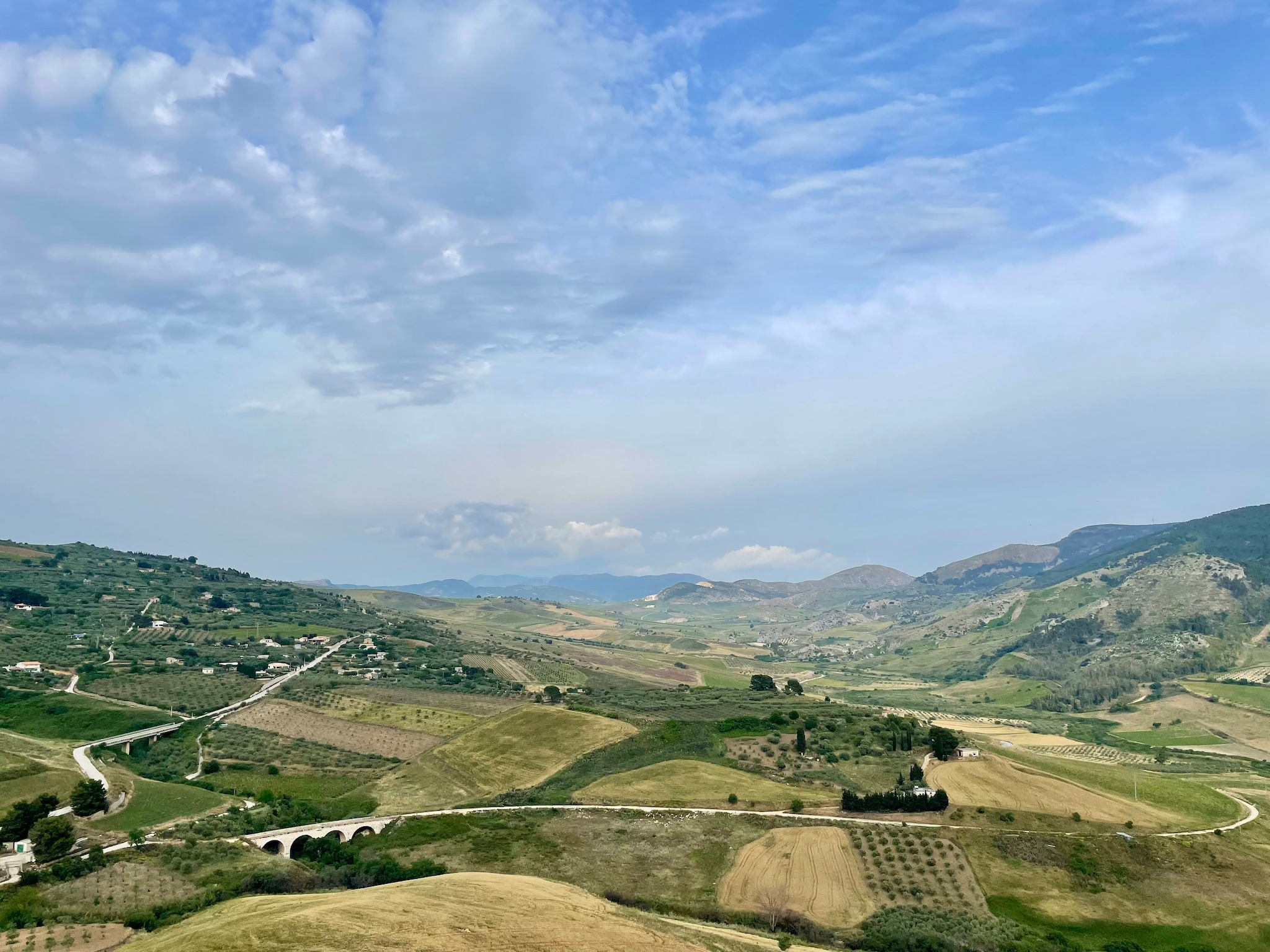
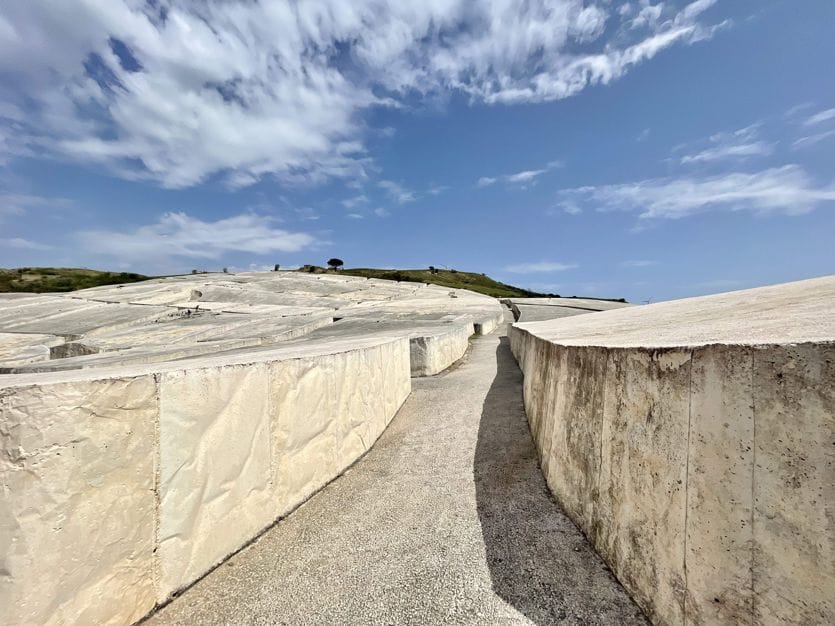
From the coast, the journey can continue inland to reach the Belice Valley, an area situated between the provinces of Palermo, Trapani and Agrigento. From the blue hues of the sea, the scenery shifts to the green tones of the extraordinarily lush inland countryside, where hills and expanses of fields, vineyards and olive groves form a natural landscape of incredible beauty. This area also bears the scars of the earthquake which, on the night between 14 and 15 January 1968, struck the municipalities of the Belice. These places have kept their memory and identity alive, bearing witness to a history of destruction that gave way to reconstruction, with certain architectural works becoming symbols of this transformation. One such example is the ‘Cretto’, created by the artist Alberto Burri on the site where the village of Gibellina once stood, in the province of Trapani. A contemporary art memorial – one of the largest in the world – completed in 2015; to visit it, one walks amongst the white geometric forms of the 122 reinforced concrete blocks, each approximately one metre sixty high, which cover the entire area of eighty thousand square metres.
From Gibellina Nuova to Sambuca di Sicilia
Gibellina Nuova, situated twenty kilometres from the Cretto, is an urban centre designed with modern urban planning and architecture, in a constant dialogue between memory and art – a cultural experience that can also be enjoyed by visiting the Ludovico Corrao Museum of Contemporary Art. A town well worth discovering, particularly this year, as part of the ‘Gibellina: Italian Capital of Contemporary Art 2026’ event, which brings together the visual arts, performance art, music and various events. The most striking ruins, bearing witness to those moments that forever changed the lives of an entire community, are the ancient settlements of Poggioreale, Salaparuta and Montevago: in the latter, you can view a permanent exhibition of street art. In the town of Santa Margherita di Belice, part of the Free Municipal Consortium of Agrigento, the town’s heritage is also linked to literature, as this is the setting for *The Leopard*, the novel written by Giuseppe Tomasi di Lampedusa in 1958 and adapted for the screen by director Luchino Visconti in 1963. The writer was also inspired by the Filangeri Cutò Palace, which became the Palazzo di Donnafugata in the book; today, it houses the Museo del Gattopardo, which displays letters, notes, documents and photographs belonging to Giuseppe Tomasi di Lampedusa. Meanwhile, the Museum of Memory, housed in the former Mother Church of Santa Margherita di Belice, documents the villages of the Belice Valley before and after the tragic night of the earthquake through photographs, artworks and testimonies.
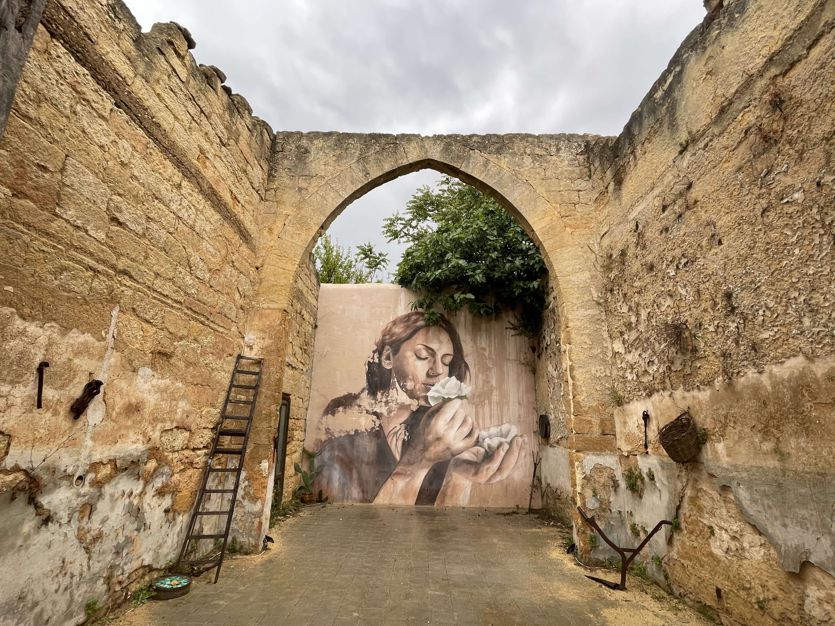
Sambuca di Sicilia is another important stop for those wishing to discover the historical and cultural heritage of the western Sicilian hinterland. The village, listed amongst the ‘Most Beautiful Villages in Italia’, owes its name to the ancient Arab settlement of Zabut. This period of Arab rule lasted four centuries, and traces of it can still be seen today in the names of the narrow streets, the monuments and certain linguistic customs. To discover part of the town’s heritage, you can visit the Arab fort of Mazzallakkar on the shores of Lake Arancio. Another hallmark of Sambuca di Sicilia is the traditional sweet known as ‘minni di virgini’ (the breasts of the virgin), which tradition traces back to 1725, when a nun from the Collegio di Maria was commissioned to prepare a delicacy for the Marquise’s son. The result is a pastry filled with a cream made from milk, chocolate and zuccata, covered in sugar icing. It is yet another example of Sicilian culinary tradition – an island rich in flavours, culture and history.

