
Latvia, premier in the storm: 36,000 euro spent in airport VIP lounges
Prime Minister Evika Siliņa claims the regularity of security and protocol costs, while the opposition demands transparency. The case reopens the issue of the use of public funds after the resignation of Krišjānis Kariņš in 2024

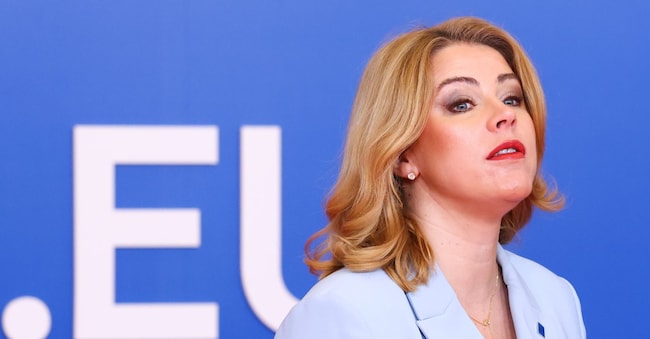
The Prime Minister of Latvia Evika Siliņa has ended up at the centre of a scandal after the disclosure of data on the costs of using airport VIP lounges during institutional trips. According to reports by the public broadcaster LSM, the total expenditure in the last year was just under 36 thousand euro. These are services related to the official travels of the premier, who justified the costs as part of the practices expected of high state officials. Déjà vu for a country that has been the protagonist of similar controversies in recent years.
For his part, Siliņa dismissed the criticism, emphasising that access to VIP areas is part of the security protocols and operational requirements of institutional missions, especially when protection devices and tight deadlines are involved. In Latvia, as in other European countries, the use of separate facilities at airports is an established practice for top government figures. However, the opposition demanded clarification of the authorisation criteria and the amount of expenditure, which some considered excessive in a context of attention to budgetary discipline. The issue went all the way to Parliament, with formal demands for transparency.
It brings to mind a recent precedent that had direct consequences for the executive. In 2024 the then foreign minister and former prime minister Krišjānis Kariņš had resigned after controversy over the use of private flights during his term of office between 2019 and 2023. What had lit the fuse at the time was the use of charters for official trips with high costs to the public budget, which ended up at the centre of political scrutiny and contestation.
At the moment,in the case of Siliņa there are no judicial investigations. However, the pressure remains on the executive, which is called upon to provide precise elements on the modalities and frequency of these expenditures.

