
‘Lavazza’s strategy combines sustainability with innovation’
An interview with Pietro Mazzà, Chief Impact Officer of the group that has set up an integrated department. “We’re ready for the EUDR. We invested in processes, skills and tools at the right time.”

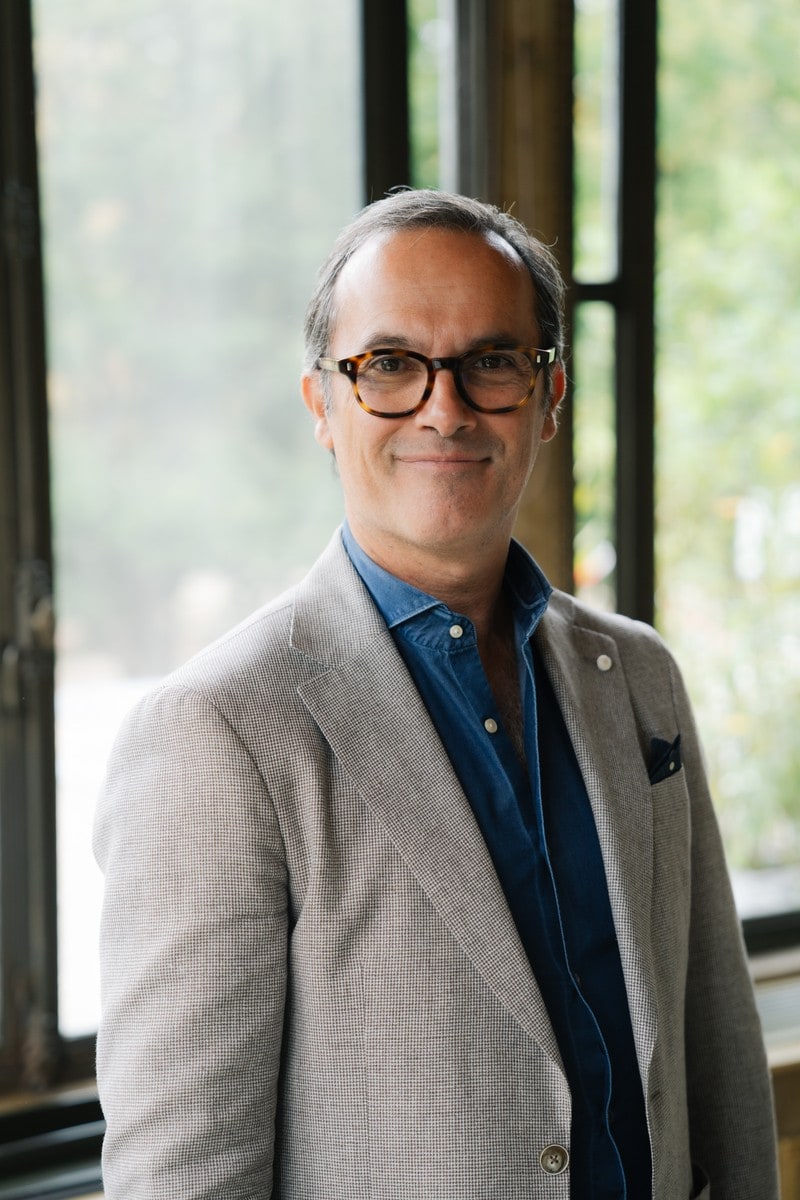
The strategic decision was to prioritise sustainability by aligning it with the ‘mandate’ for innovation, led by Pietro Mazzà, Chief Impact Officer of the Lavazza Group, who reports directly to CEO Antonio Baravalle. “For Lavazza, sustainability and innovation have historically been part of the company’s DNA; in many respects, it has been ahead of its time,” he emphasises. For the company, which is controlled by the Lavazza family, creating an integrated department means accelerating progress on both fronts. “In the current, rapidly changing context – both economically and geopolitically – sustainability is a key factor in competitiveness,” emphasises Mazzà. The aim, therefore, is to accelerate a process of adapting the business model, in which sustainability is not merely the sum of a company’s responsible actions, but becomes a factor in diversification and helps to shape its strategies.
For coffee companies, operating within an agricultural supply chain with raw materials sourced from other continents has meant experiencing, from 2021 to the present day, every possible disruption in the sector, starting with the economic and financial impact of the coffee crisis, with the price of Arabica having risen by 200 per cent compared with the pre-Covid period and that of Robusta having practically tripled. “Our aim,” explains Mazzà, “is to build resilience into the supply chains, from the producing country right through to the destination market, and the only way to do this is to strengthen our position on a range of issues that have a significant impact.”
So how does this drive fit into the Group’s business plan? In response to the notion of ‘ministries without portfolio’ – a term often associated with corporate sustainability policies – Mazzà offers a different perspective: ‘We view sustainability as a business lever, and this has an impact on what we do.’ He is referring to the decarbonisation plan implemented by Lavazza: most of the CO₂ generated by the coffee industry is linked to the raw material and influences the company’s sourcing and purchasing decisions. “The approach is not to offset emissions but rather to make consistent and informed choices to reduce emissions, involving producing countries and logistics partners,” emphasises Lavazza’s CIO. The Group’s aim is to refine its raw material procurement mechanisms using advanced tools, because, in fact, “CO₂ emissions are now a factor in selecting procurement channels,” adds Mazzà. Lavazza remains committed to diversifying the countries of origin of its coffee as much as possible, partly to support smaller producers from a social sustainability perspective.
Lavazza is one of the companies that will have to implement the EU anti-deforestation regulation from 30 December. “We are ready. We invested in good time,” emphasises Mazzà, “in the processes, expertise and tools needed to meet the requirements of the EUDR. The aim of the legislation is widely supported; the challenge now is to ensure its effective and proportionate implementation, taking into account the complexity of global supply chains and promoting a genuinely risk-based approach. The recent simplifications are a step in this direction and enable us to further consolidate the work already undertaken.”
Whilst raw materials dictate policies on sustainability – particularly environmental sustainability – product innovation is embodied in Lavazza’s latest creation, Tablì, the result of advanced technological innovation whilst, at the same time, having a low environmental impact in terms of packaging, for example. “For us,” explains Mazzà, “this range represents the culmination of our achievements; it successfully combines technology, innovation and sustainability, thanks in part to shorter development times and enhanced expertise gained through new patents.” To date, Tablì remains unique on the market, as it is 100 per cent coffee.


