
Law 104 and dual permits: here’s what you need to know
An overview of the legislative measures that have redefined the framework supporting carers employed by the public sector

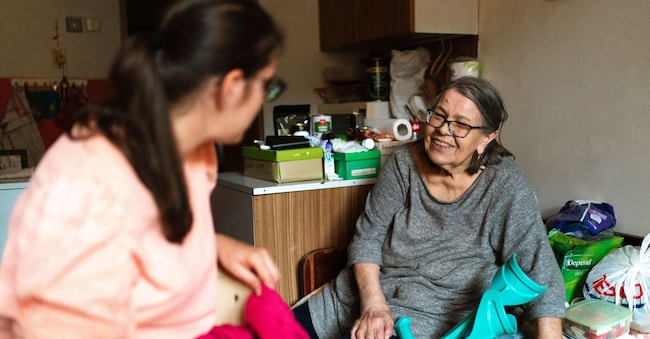
There are 12.3 million carers in Italia. In recent months, there have been significant changes affecting not only them, but also many public sector employees who are in particular health circumstances.
More permissions
The most recent change has been incorporated into the collective agreements covering the three-year period 2025–2027, which were signed only for the Central Government departments on 6 August 2026 and are also nearing finalisation for the other sectors. Public sector contracts extend protections against discrimination against carers and pave the way for the reorganisation of working hours and remote working. Above all, they have increased the annual paid leave entitlement for specialist medical appointments by 10 hours; this can be used both by workers suffering from serious illnesses and by parents of minor children suffering from the same conditions. The agreement effectively incorporates the new hourly leave entitlements introduced by Law 106/2025, which will be available from January 2026. ‘The employee,’ the agreement states, ‘is also entitled to leave intended for workers suffering from active-phase cancer or in early follow-up, or from disabling or chronic conditions, including rare ones, resulting in a degree of disability of 74 per cent or more, as referred to in Article 2 of Law No. 106 of 18 July 2025, to the extent of 10 hours per year. The leave referred to in this paragraph may not be taken in increments of less than one hour.’
Greater flexibility
Caregivers are, as is well known, entitled under Law 104/92 to three days’ paid leave per month, which may also be taken in hourly increments. The change in this case concerns how this leave is taken. Unlike in the past, two different carers can now take leave under Law 104 on an hourly basis on the same day, provided it is taken at different times. Please note, however, that the maximum limit on leave does not double (it remains at a total of 3 days per month to care for the same family member), but the hourly allocation becomes much more flexible to allow workers to take turns effectively in providing care.
In this case, this is set out in ARAN (the Agency for the Negotiation Representation of Public Administrations) Opinion No. 37654 of 16 July 2026. This measure complements ARAN Guidance Note 35270, which allows leave under Law 104 to be taken in fractions of an hour (after the first full hour) to improve flexibility.
These opinions follow that issued by the Civil Service in December 2025, No. 84769, which states: ‘The current regulations on “joint care”, with reference to Article 33(3) of Law No. 104 of 5 February 1992, permits the use of leave by multiple carers, subject to appropriate documentation and/or a declaration, without prejudice to the limit of a total of three days’ care for the same person requiring intensive support. These provisions apply to employees in both the public and private sectors; as regards the division of such leave into hours within the public sector, a maximum of 18 hours per month is set for each person receiving care. For employees in different sectors, the option to split the remaining days not taken by the other carer is extended, within the limits laid down by law and sectoral collective agreements. For carers who have different full-time/part-time employment arrangements, it is preferable to adjust the use of leave in a way (days/hours) that is compatible across the different areas of employment and, in any case, in compliance with the provisions of the law.’

