
Lazio: green light for the new law on wine and olive oil routes
With the aim of enhancing the region’s appeal by promoting, in an integrated manner, its outstanding wine and olive production, its cultural and environmental heritage, and the tourist attractions of its rural areas. But also to overcome a fragmented regulatory framework by introducing more streamlined and modern tools

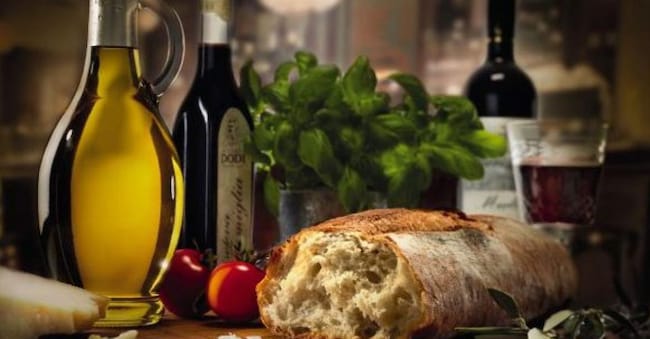
The new law on Lazio’s wine and olive oil routes has been passed. The Regional Council has unanimously approved the draft bill proposed by the regional executive, which was drawn up with the aim of enhancing the region’s profile by promoting, in an integrated manner, its wine and olive oil excellence, its cultural and environmental heritage, and the tourist attractions of rural areas. It also aims to overcome a fragmented regulatory framework by introducing more streamlined and modern tools.
“This involves the review and modernisation of a law already in force in our legal system, which is now being updated to meet the needs of the region and has received broad support from all the existing Wine Routes,” said the Councillor for the Budget, Economic Planning, Agriculture and Food Sovereignty, Hunting and Fishing, Parks and Forests, for the Lazio Region, Giancarlo Righini.
“Through the changes introduced,” explained Righini, “it will be possible to fully reinstate a measure which, at the time of its approval, had produced very positive results but which, over time, has gradually lost its momentum. The aim is to make it once again a useful tool for regional governance, capable of enhancing agri-food supply chains and opportunities linked to experiential tourism, offering new prospects for growth and development in an area we consider strategic for Lazio.”
The proposal promotes and regulates the development of Wine and Extra Virgin Olive Oil Routes, defined as organised regional itineraries that pass through areas characterised by products with a designation of origin or geographical indication, integrating these with cultural, landscape and environmental heritage. The aim is to create a coordinated, recognisable and high-quality tourism offering capable of generating local economic development and enhancing regional identities. Specifically, the law provides for: the establishment of new Routes in areas not yet covered; the integration and adaptation of existing Routes, whilst maintaining their cohesion and expanding the itineraries and products promoted; and compliance with minimum quality standards, in line with national legislation.
According to Councillor Righini, “the new law will also enable us to realise the full potential for promoting products from the regional agri-food sector, and in this regard we will be working in close collaboration with the Councillor for Tourism, Elena Palazzo, on aspects relating to tourism promotion. The aim is to launch a major regional initiative involving several departments, ensuring the law is fully and effectively implemented”.

