
Lebanon, Save the Children: over 1 million displaced, drone overflights continue
More than 117,000 people, including 40,000 children, remain in collective shelters, and only one-fifth have returned home since the conditional ceasefire was agreed, according to UN figures, says a statement by the organisation
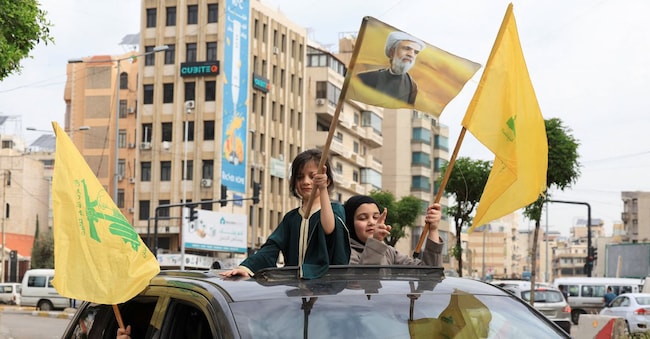
One week after the recently extended conditional ceasefire in Lebanon, more than one million people, including 390,000 children, are still living in terror of the bombing and remain displaced. This is according to Save the Children, the organisation that has been fighting for more than 100 years to save girls and boys at risk and ensure their future. More than 117,000 people, including 40,000 children, remain in collective shelters, and only a fifth have returned home since the conditional ceasefire was agreed, according to UN figures, the organisation said in a statement.
Parents' stories
Some parents have told Save the Children workers that their children cannot distinguish between the sound of thunder and bombs, drones continue to fly over their heads, and families are too afraid to return home. Thousands of people have nowhere to return to as the Israeli army has demolished entire villages during the ground invasion in southern Lebanon, the note denounces. As reported by the Lebanese National Council for Scientific Research, the Israeli army damaged or destroyed more than 62,000 homes during the conflict. Many other families, whose homes are still standing, have no choice but to remain displaced, as 55 villages have been declared by the Israeli army to be inside the so-called 'yellow line', an area under severe access restrictions and new displacement orders, the statement continues.
Loading...
No school
Thousands of children and teenagers still cannot go back to school, and many now try to study online despite living in noisy collective shelters and having an unreliable internet connection. They told Save the Children staff that it is difficult to concentrate and many resort to following lessons on the computer or on the phone, sitting in the car to get some peace of mind.
The terror under the bombs
Rawan, a mother, spent 24 hours in the car with her family when they were forced to leave their home by Israeli bombing in early March. "Even today my youngest daughter, whenever she hears a loud noise, asks me: 'Mum, why are there warplanes? Why are there drones? Are they coming to bomb us?' - she told the operators - I hope I can return home and resume my normal life, that my children can go back to school and that we can get out of this psychological state we are in, because it has really affected us deeply and we are experiencing an unnatural level of fear."
"A break is not enough"
'I have met with many children and families across the country, and they all tell me the same thing: they want to go home, the children want to go back to school, the adults want to go back to work,' said Nora Ingdal, director of Save the Children Lebanon. 'Families want to stop living in a state of uncertainty, fearing every moment that the war will resume and always with the buzz of drones over their heads. The news of a three-week extension of the temporary ceasefire is somewhat of a relief, but people are wary and continue to live in a perpetual state of worry, a pause is not enough. Families are forced to endure another three weeks of limbo, unable to return to their former lives, living in tents in the streets, schools and stadiums'.


Brand connect
Loading...

Newsletter Scuola+
La newsletter premium dedicata al mondo della scuola con approfondimenti normativi, analisi e guide operative
Abbonati