
Lefebvrians: what does the Priestly Fraternity of St Pius X – which is at risk of schism – stand for?
Founded in Switzerland in 1970 by Monsignor Marcel Lefebvre, it aims to preserve the traditional liturgy in accordance with the 1962 Missal and the priestly formation practised prior to the Second Vatican Council

Key points
‘Filled with Christian affection, I implore you and ask you with all my heart: turn back! I urge you to give careful consideration to the spiritual welfare of the faithful, for the schismatic act you would be committing would deprive them of the lawful – and in some cases even valid – reception of the Sacraments which they love and seek for their own sanctification.” Thus begins the latest heartfelt appeal by Pope Leo XIV to the Lefebvrians, made public on the eve of a possible schism, a new rift 38 years after the first time.
The focus of attention at the moment is on the members of the Priestly Fraternity of St Pius X (FSSPX): 720 priests, around 700 churches, and almost half a million faithful worldwide.
On the one hand, the Pope is calling for a halt; on the other, the Lefebvrians are determined to go ahead with the episcopal ordinations, which are due to take place on Wednesday 1 July in Ecône, Switzerland.
Opposing the ‘neo-modernist and neo-Protestant’ tendencies of the Second Vatican Council since 1970
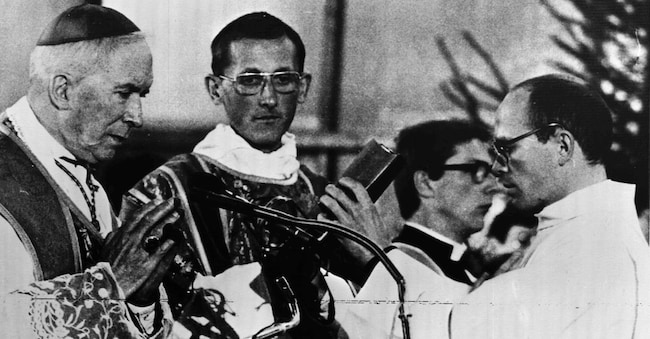
Founded in 1970 at the behest of Monsignor Marcel Lefebvre, Superior General of the Fathers of the Holy Spirit, who had taken part in the Second Vatican Council, ‘in response to pressing requests from a number of young men seeking a traditional priestly formation’ — as stated in the history of the Fraternity, which today defines itself as ‘a society of Catholic priests whose primary aim is to form holy priests’ – the FSSPX took shape, a society of communal life without vows modelled on the Society of Foreign Missions.
The foundation took place in Switzerland, with the approval of the Bishop of Fribourg, François Charrière, and was initially granted canonical recognition as a pia unio, that is, a (public or private) association of the faithful established for the purpose of promoting a work of piety, charity or apostolate.


