
Legambiente, extreme weather events are on the rise in Italian coastal areas. Sicily, Puglia and Calabria hardest hit
From 2010 to June 2024, the number of extreme weather events in coastal municipalities increased: 816 (+14.6% compared to last year's figure of 712) out of a national total of 2,086 (i.e. 39.1%) occurring in 265 of the 643 coastal municipalities (i.e. 41.2%)

3' min read
3' min read
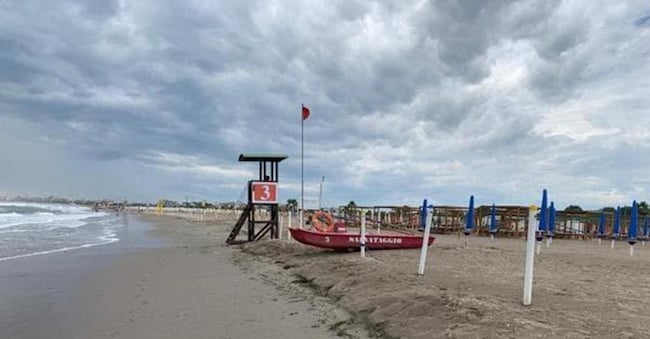
Coastal areas are increasingly threatened by extreme weather events. According to the Climate City Observatory of Legambiente, from 2010 to June 2024 the number of such situations in coastal municipalities has increased: 816 (+14.6% compared to last year's report in which there were 712) out of a national total of 2,086 (or 39.1%) occurring in 265 of the 643 coastal municipalities (or 41.2%). In the 'Report Beaches 2024. The impacts of erosion and extreme weather events in Italian coastal areas", presented on Wednesday 17 July by the environmentalist association in Catania in anticipation of the arrival in Sicily of Goletta Verde, the historic campaign that sails the Italian seas to monitor the waters, a point is made on this phenomenon.
The South is the most affected area
.In the last year alone, Legambiente recorded 104 extreme events. Southern Italy is the worst affected area of the Peninsula: Sicily in first place with 170 events, almost 21% of the national total of events in coastal areas. This is followed by Apulia (104), Calabria (82), Campania (78) and, first northern region, Liguria (75). In terms of municipalities, Bari ranks first with 44 extreme weather events recorded, followed by Genoa (36), Agrigento (32) and Palermo (27). Of the 816 extreme weather events, 295 are floods due to heavy rain, 226 damages due to whirlwinds and gusts of wind, 83 due to sea storms, 81 damages to infrastructures, 47 river overflows, 23 damages due to hailstorms, 21 landslides due to heavy rain, 19 damages due to prolonged drought, 12 due to record high temperatures in cities, and 9 damages to historical heritage. Moreover, according to a recent mapping by Ispra, the total surface area of Italian beaches measures just 120 km2, less than the territory of the municipality of Ostia in Rome alone, with beaches that have an average depth of around 35m and occupy just 41% of the coastline (3,400 km out of a total of more than 8,300 km). Beaches that will have to deal, finally, with increasing coastal erosion that characterises our coasts and that requires an integrated approach to systemise all critical issues.
Legambiente's proposals
.Legambiente launches seven proposals to the Government for the future of the Italian coasts: 1) Implementation of the National Plan for Adaptation to Climate Change, allocating resources and issuing the decree for the establishment of the National Observatory for Adaptation to Climate Change; 2) overcoming the logic of emergency and invasive interventions to defend the coasts from erosion; 3) interventions to renaturalise the coasts, reconstituting the dune belts and wetlands and marshy areas; 4) approval of the law on stopping soil consumption 5) establishing a single regulatory framework to be respected throughout Italy for the allocation of beach concessions (through calls for tenders) to ensure free and unrestricted use of beaches, rewarding the quality of the offer and environmental sustainability choices in the allocation; 6) re-establishing legality and stopping cement on beaches; 7) building, adapting and/or bringing into compliance the sewage and purification systems and regulating the discharge of liquid waste into the sea.
Good practices (also abroad)
.There are some good practices. From the creation of Posidonia dunes (beached plant material) to combat coastal erosion in the Municipality of Cecina (Livorno) to the creation of 'The Park of the Sea' in the Municipality of Rimini to adapt to climate change through the redevelopment and pedestrianisation of the waterfront. Across national borders, in the United Kingdom, the 'Citybeach' project in Southend-on-Sea to improve water management and adapt the city's coastal area to the climate, building places where excess water can be safely stored during major storms and launching Nature-based Solutions awareness programmes. In Belgium, the Hedwige and Prosper Polders flood protection works, by reinforcing dykes and quay walls and opening up areas that can be flooded to protect the land during tidal waves.

