
LGBTQ+ tourism: Spain is the most popular destination. Italia is racing to close the gap
Italy ranks 36th out of 49 countries analysed, with a score of 24.11 per cent compared with the European average of 43 per cent

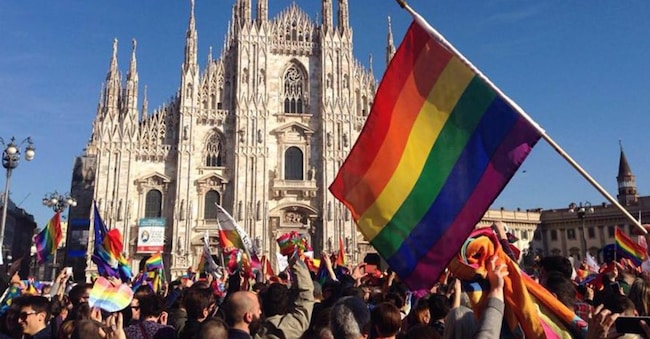
Although Europe remains the safest destination in the world for LGBTQ+ tourists, not all countries on the continent are progressing at the same pace. Whilst Spain is set to take the top spot in the rankings in 2026, overtaking Malta after ten years of undisputed dominance, Italia, on the other hand, remains among the bottom of the table, ranking 36th out of 49 countries analysed. This is according to data released at the opening of the fourth edition of the European LGBTQ+ Tourism Forum, organised by ELTA (European LGBTQ+ Travel Alliance) in partnership with Roma Capitale and with the institutional patronage of the European Parliament and Federturismo Confindustria.
The Rainbow Map 2026
The good news is that, according to data from the Rainbow Map 2026 published by ILGA-Europe, Europe is showing an overall upward trend. According to the study, which takes into account criteria such as equality and non-discrimination, hate crimes, hate speech and gender policies, the continental average for rights stands at 43 per cent, representing an increase of 2.75 per cent compared with 2025. This figure rises to 52 per cent when considering only the countries of the European Union.
The league table
The ranking of the safest destinations for LGBTQ+ travellers is led by Spain, which scored 88.7 out of 100, ahead of Malta, which scored 88 per cent. Rounding out the top 10 are Iceland, Portugal (which tops the travel indices for hospitality and services), Belgium, Germany, Denmark, Finland, Sweden and Luxembourg. At the other end of the ranking, amongst the least welcoming countries, we find Russia, Azerbaijan, Turkey, Belarus and Armenia.
Italia, on the other hand, whilst generally retaining its position as Europe’s leading tourist destination, remains a long way from the top of the rankings and the EU average, coming in 36th place with a score of just 24.11 per cent. Our country has therefore dropped one place compared with last year, recording a fall of 1.23 per cent on 2025. Alessio Virgili, president of Elta, explains that Italia’s performance in this area ‘represents a hindrance and a colossal economic loss for our country’.
People who travel for work
At the LGBTQ+ Tourism Forum, the deep-rooted barriers that still exist in the world of work and career progression were also highlighted: only 50 per cent of LGBTQ+ workers feel at ease when travelling for work, 23 per cent report experiencing anxiety, and almost 45 per cent are forced to hide their identity whilst on business trips for safety reasons. This is a crisis which, according to Giovanna Ceccherini, Sales Manager at Sonders & Beach, an international group specialising in inclusive tourism, ‘we cannot ignore, because it forces us to understand a fundamental principle: the business traveller does not travel for leisure or as an optional tourist choice’. A professional or employee on a business trip, Ceccherini continues, “cannot simply decide to change their destination or refuse a hotel if they do not feel welcome or protected. Every trip is of crucial importance, having a significant impact on their career, their professional performance and their company’s business opportunities”.

