
Ligurian economy, utilities on the podium, then transport and logistics
Deloitte analysed the performance of companies in the region: turnover at 63 billion, net profit at 2.6 billion and 131,000 employees

More than 63 billion euro turnover, more than 2.6 billion euro net profit and more than 131 thousand employees. Growth in turnover of 40% (+18% in real terms), overall net profit (+88%) and employees (+12%). These are some of the key figures of the Ligurian economy according to the Deloitte analysis entitled Why Liguria. The good and the beautiful, presented at the Genoa Stock Exchange building and based on an analysis of the performance of over 1,300 Ligurian companies from 2018 to 2024. A report from which it emerges that the best-performing sectors are utilities, followed by transport and logistics, which are inextricably linked with the blue economy. The analysis stops at 2024 because it is based on companies' fiscal audits, which go up to that year (those of 2025 are not yet available).
Four macro-sectors
The Ligurian economic fabric, the study says, is marked by a significant sectoral concentration, with four macro-sectors (utilities, manufacturing, trade, transport and logistics) generating 82% of total turnover. In line with the national trend, large enterprises in Liguria account for only 1.6% of the total (22 companies), but concentrate almost half of the turnover, with more than EUR 30 billion and a net result of more than EUR 1.3 billion. Alongside this industrial elite, which employs more than 26 thousand people, there is the segment of medium-sized enterprises, which make up 11.2% of the sample and guarantee the largest contribution to employment in the region, with more than 42 thousand jobs.
The four provinces of Liguria, Deloitte points out, present a very diversified economic composition, with marked territorial specialisations. Genoa concentrates most of the regional turnover and employment, with an economy based on maritime transport, port logistics and boating; La Spezia shows a specialisation in shipbuilding; Savona is the centre of the chemical and oil industry; Imperia, finally, presents a more diversified economy oriented more towards tourism, agriculture and the food industry.
The best-performing sectors in Liguria, in the 2018-2024 period, see utilities (public utility services) at the top of the podium: in particular, the energy supply sector, with 5.1% of the companies in the regional sample, generated 24.2% of total turnover (the highest in absolute value), reaching EUR 15.4 billion in revenues and a net profit of EUR 457 million. In addition, the utilities sector recorded an overall growth of 48% in turnover in the period 2018-2024, while net profit grew by 76% and employment increased by 11.8%.
Nautics and ports excel in the area
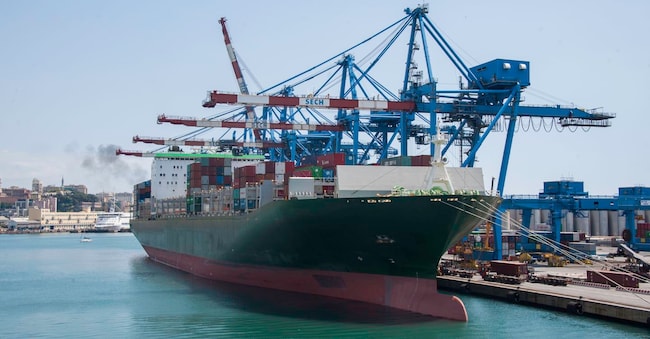
However, transport and logistics remain the driving force behind the region's economy: they generate EUR 10.8 billion in turnover (17.1% of the total) and record an average marginality of 8%, making them the most profitable of the main sectors. In fact, boating and maritime transport represent Liguria's globally recognised excellence, where the shipbuilding sector (cruise ships, yachts, specialised boats) stands out. Alongside these sectors, port logistics make the region a crucial hub for international trade, particularly for traffic between Northern Europe and the Mediterranean.


