
Lindner reiterates 'no' to Draghi: risks for common debt too high
Germany has introduced the debt brake rule into its constitution, which prohibits the state from borrowing more than 0.35 per cent of its GDP each year

2' min read
2' min read
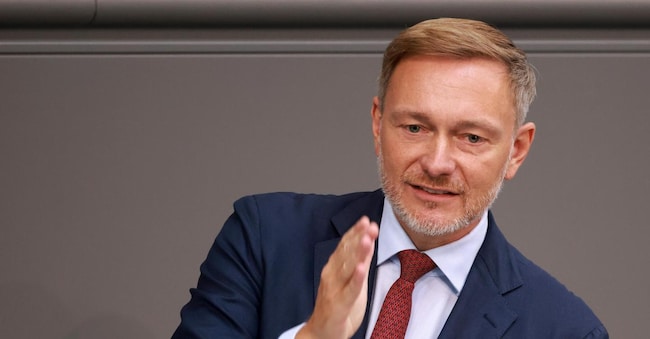
The day after the presentation of the Draghi report on competitiveness, the German Finance Minister Christian Lindner reiterated his opposition to the issuance of new joint debt and emphasised that Germany "must set an example" to the other EU countries in terms of budgetary discipline. "What would be the effect if Germany, as the largest economy in the EU, deliberately broke the European Stability Pact?" the minister said during the debate on the 2025 budget of Olaf Scholz's government. "Germany," he added, "must set an example and respect not only its own rules, but also those of Europe. The EU has set the limit for public deficits at three per cent of the gross domestic product of member states, but Germany has gone further, introducing the so-called debt brake rule in its constitution, which prohibits the state from borrowing more than 0.35 per cent of its GDP each year.
After being suspended between 2020 and 2023 due to the pandemic and the war in Ukraine, the new governance pact is now on the launch pad and Lindner does not see much room for manoeuvre for further spending programmes. "We are an anchor of stability, especially in Europe," insisted the minister, who reiterated his opposition to a return to joint debt issuance after the first Next Generation EU operation. "Joint debt issuance can also lead to an overall over-indebtedness in the EU," Lindner warned, according to which each EU member state "must continue to take responsibility for its public finances. Otherwise the whole thing would result in an 'invitation to all other countries' to let their deficits slide and could revive the spectre of a 'debt crisis' like the one in 2011 that put the very existence of the eurozone at risk.

