
Lino, manufacturing at the heart of the relationship with the territory
Contemporary art and design can also be channels for telling the story of the oldest fibre in human history

2' min read
2' min read
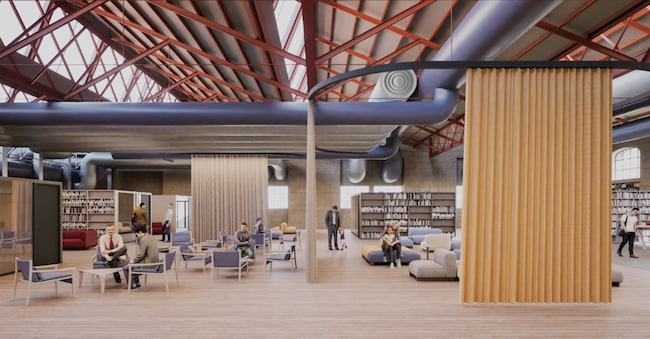
More than 20 million euro, financed mainly with funds from the NRP, are earmarked for the rebirth of the 'fabricon', as the people of Lodi call the former Linificio and Canapificio Nazionale factory in the city, a short distance from the railway station, a building that has been disused and abandoned since 1967 and is ready to become a complex of more than 50,000 square metres: an urban park, a residential area and the new headquarters of the Civic Museum, which will thus be able to double its space, will be built there. The Opificio della Cultura, this is the new name of the complex, the work on which should be completed by next March, will breathe new life into one of the remnants of its heyday, at the end of the 19th and beginning of the 20th century, when it was the third largest Italian company in terms of capitalisation listed on the Milan Stock Exchange, the Linificio boasted no less than 12 factories throughout Italy.
Although today only one remains in Italy, that of Villa d'Almé, the company makes the telling of its history and rich heritage one of the strategic points of its communication: last year, for example, it won the Cultura + Impresa prize (the most important award dedicated to corporate sponsorships and cultural partnerships and cultural productions desired by Federculture and The Round Table) thanks to the textile and contemporary art exhibition 'De Filo' set up in 2023 in its own rooms to celebrate the Linificio's 150th anniversary and which brought together more than 20 international artists and designers inviting them to creatively explore the concept of 'thread'.
At the most recent edition of the Fuorisalone in Milan, the company also participated by supplying spools of yarn for the realisation of 'Knit Your Stories', an interactive installation developed by the PhD students of the TextilesHUB group, the interdepartmental laboratory of the Department of Architecture, Built Environment and Construction Engineering of the Milan Polytechnic, which combines academic research and industry to imagine new possibilities for living through textiles. "Communicating what we do also through these projects is fundamental," notes CEO Vignaga. "At the beginning of June, we also participated in the 'Think like a mountain' project, artistic events spread throughout the territory, hosting the performance 'Spin and Break Free' by Cecilia Bengolea. It is precisely this close and ever-renewed bond with its land of origin that is at the basis of the Linificio's solid local reputation: 'Companies must work with conviction on their relationship with their places. We have always done this and today we are not finding it difficult to find new resources, even among the new generations, in a complex context also due to the demographic winter,' he concludes.


