
Liposuction, when surgery becomes body sculpting
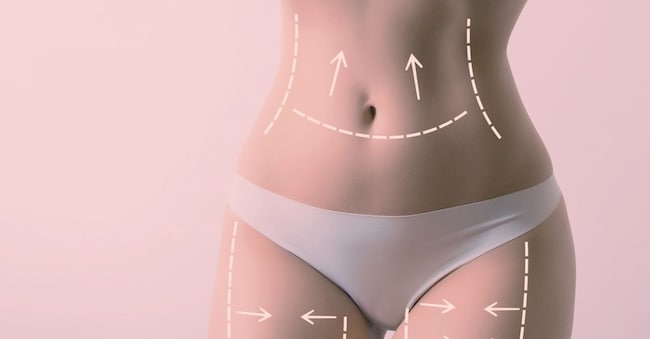
Liposuction is not only one of the most popular procedures in plastic surgery: it is a precision art that, in the right hands, becomes body sculpting. This is recalled by Dr Paolo Santanchè, an Italian pioneer of the technique, who coined the term liposuction back in 1981. The neologism caught on until it became the official name. "This procedure remains first and foremost a precision surgical act, a real 'sculpting' of the panniculus adiposus," explains Dr Santanchè, a plastic surgeon in Milan and Turin. "Far from being a simple melting of fat - it is not butter, it is a living tissue where we selectively operate on the panniculus adiposus . Liposuction, then called lipoplasty, was born in the late 1970s with French plastic surgeon Yves G. Illouz and, over the years, has evolved to become an art requiring manual dexterity, sensitivity and absolute control of what goes on under the skin'.
Dry liposuction
Liposuction allows the removal of significant amounts of fatty tissue and consequently reduces the figure by up to two sizes, and is specifically indicated for reshaping the shape and line of the body. "Talking about liposuction can mean everything and nothing," the specialist continues, "it simply means suction of fat with a cannula attached to an aspirator, but it is the surgeon who makes 90% of the difference, like a sculptor using a hammer and chisel. The technique I prefer is 'dry liposuction', a technique that avoids tumescent infiltration and allows maximum precision because it allows me to 'see' and above all feel what I am shaping. The very thin cannulas that I use, with a diameter of only two millimetres, are instruments that I have personally designed and have become one of the key elements in making the procedure extremely delicate and precise. Much less invasive than in the past. Thanks to this technology and the right manual dexterity, the liposuction I perform is almost painless, with minimal bruising and a surprisingly quick recovery'.
Immediate results and rapid recovery
The results are visible immediately after surgery, at least 80%, and become definitive within a month. As for post-operative pain, there is a slight soreness, which is completely manageable. "However, it is essential to get moving right away. Walking from the afternoon of surgery itself helps the circulation and promotes faster recovery," Santanchè continues. "In the first few days I always ask the patient to devote herself to her body, maintaining this routine of light walking. After a week, in most cases, you can return to normal activities. As for lymphatic drainage massages, I don't consider them necessary: if the surgery is performed correctly and minimally invasively, recovery occurs naturally. Another point: I personally do not recommend girdles, I prefer elastic stockings with graduated compression, the same logic used in vascular surgery: two 140-denier tights for the first week, then 70-denier for another two or three weeks. I don't even believe in lymphatic drainage massages: if the surgery is performed correctly and minimally invasive, they are not needed. Recovery is natural and quick. As for age limits, ideal liposuction is for patients between 16 and 60 years old. After this threshold, it is only possible to operate in moderate cases, because the ability to recover decreases.

