Living longer, and in good health. The challenge from the Health & Longevity Summit 2026
From the Il Sole 24 ORE Group’s Health & Longevity Summit: a dialogue between science, institutions and civil society. Garattini: “To safeguard the National Health Service, we need a revolution based on prevention”. Featuring Jury Chechi and Arisa

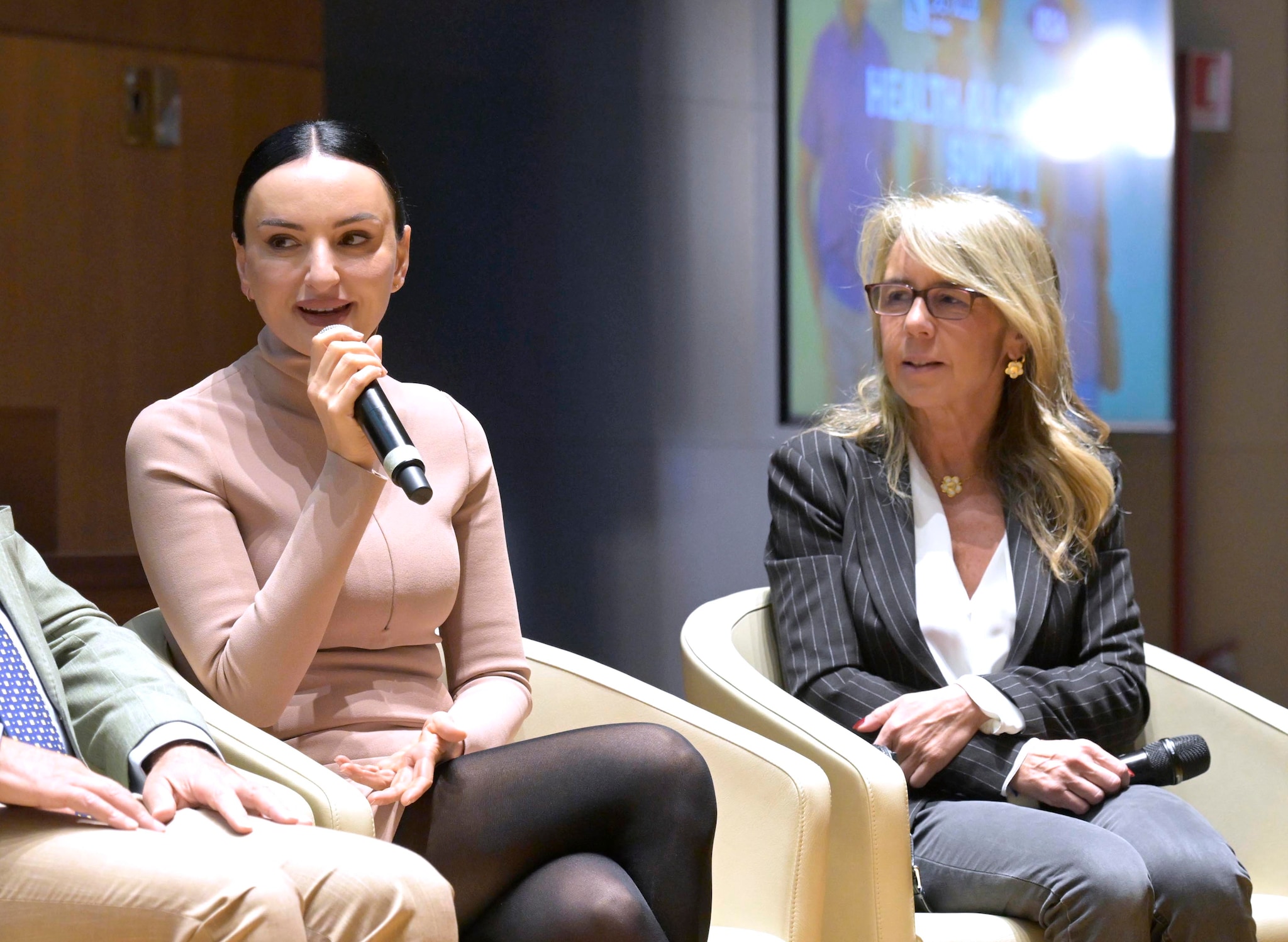
Living longer, but above all living longer in good health. This is the challenge that emerged from the Health & Longevity Summit 2026, the live and digital event organised by the Il Sole 24 ORE Group which took place today, 27 October, at the Fondazione Cariplo Conference Centre in Milan, moderated by Nicoletta Carbone, journalist and presenter of the ‘Obiettivo Salute’ programme on Radio 24, and which involved over 1,000 people, including those attending in person and those joining online.
Prevention, physical activity, nutrition, cognitive health, social relationships, research and innovation were the focus of a morning of discussion between scientists, doctors, institutions and civil society. This is an issue that goes beyond simply gaining more years of life and raises an increasingly crucial question: how to transform greater longevity into years lived in good health and independence, whilst at the same time ensuring the sustainability of a healthcare system faced with an ageing population.
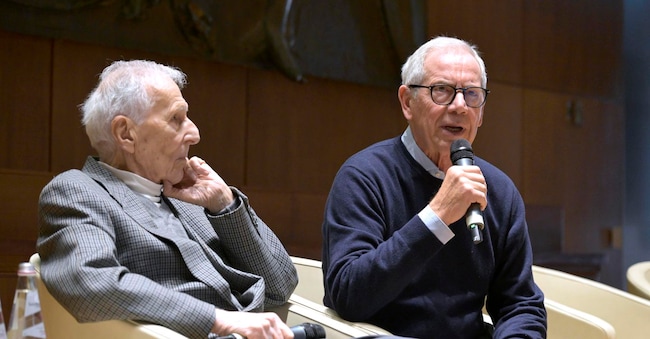
The person who highlighted prevention as the decisive step was Silvio Garattini, founder and president of the Mario Negri Institute, who directly linked longevity to the future of the National Health Service. “We must make good use of the National Health Service, which must be preserved because it is a great blessing for us and for future generations. But to maintain it and ensure its survival, we need a revolution based on prevention,” he emphasised. A revolution that also begins with simple, everyday actions: “Getting active, given that 60 per cent of the Italian population is sedentary; getting a sufficient number of hours’ sleep, which allows us to ‘clear our minds’; eating in moderation and leaving the table feeling slightly hungry”, are some of the recommendations provided by Garattini. It is therefore not just a question of providing better treatment, but of intervening earlier, creating a culture of health that supports people throughout their lives.
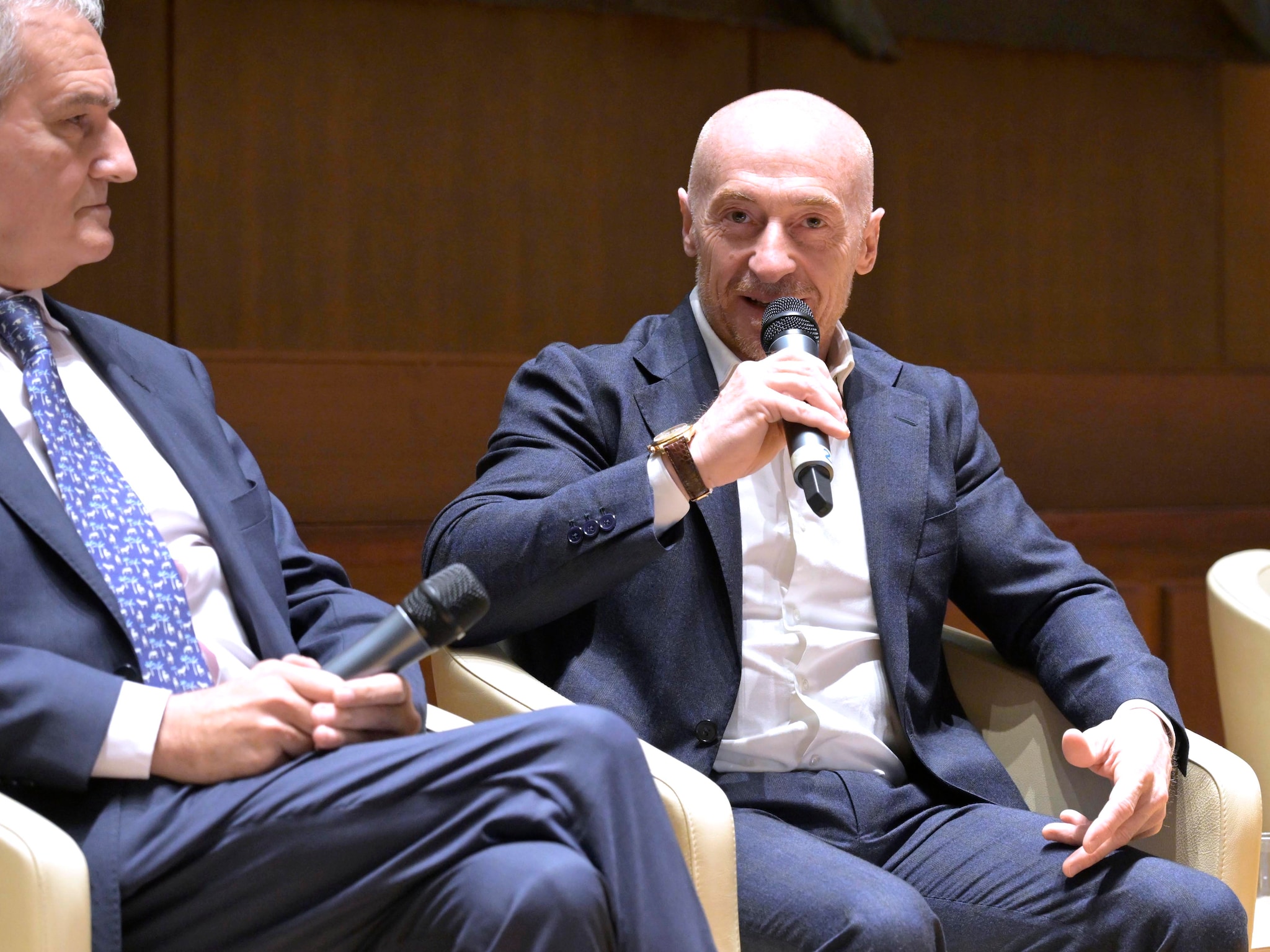
Along the same lines, Guido Bertolaso, Councillor for Welfare for the Lombardy Region, emphasised that prevention is still not prioritised enough because “it does not yield electoral returns”. Bertolaso cited the example of vaccination against respiratory syncytial virus, which causes bronchiolitis, noting that this measure “has enabled us to drastically reduce cases and hospital admissions”. However, he also highlighted one of the main obstacles to taking effective action: “We will not be able to carry out prevention if we continue to be hampered by bureaucracy, which is the main problem facing the Italian public health system”.
The path to a long and healthy life also lies in our daily habits. Jury Chechi, Olympic gymnastics champion, and Damiano Galimberti, a doctor specialising in nutritional science and founder of I.L.S.A., the International Longevity Science Association, discussed the role of physical activity, nutrition and personal balance. Physical health goes hand in hand with mental health: Giuseppe Iannoccari, a neuropsychologist and founder and president of the Assomensana Association, explored the topic of cognitive health in depth. Exercise, diet, sleep, stress management, social relationships and cognitive training thus become part of a journey that is built up over time and which aims not only at longevity, but also at quality of life.