The interview

Guidesi: 'Lombardy's companies faster, but the liquidity cost issue remains'

The Lombardy Region's Councillor for Economic Development speaks. 34% of new hires in 2023 are in Green Jobs: we are already implementing the green transition here

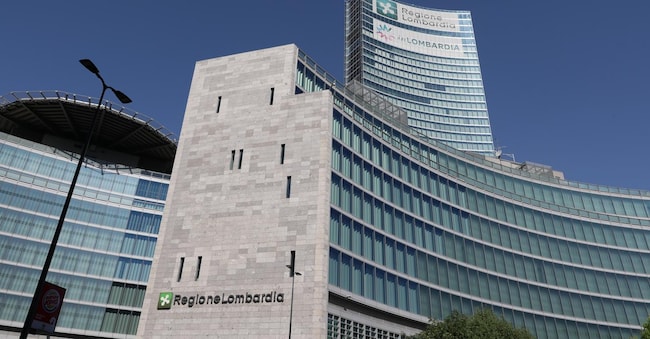
Esterno della  sede del Palazzo della Regione Lombardia

4' min read

4' min read

Assessor Guidesi, how is the country's economic engine doing?

Good, but investments are slowing down due to the cost of liquidity. German difficulties are felt more in some sectors, less in others. Our goal is not to slow down in the first half of the year, and then hope for an ECB rate cut.

Loading...

Will it be enough?

Banks must do their part and not just collect savings.
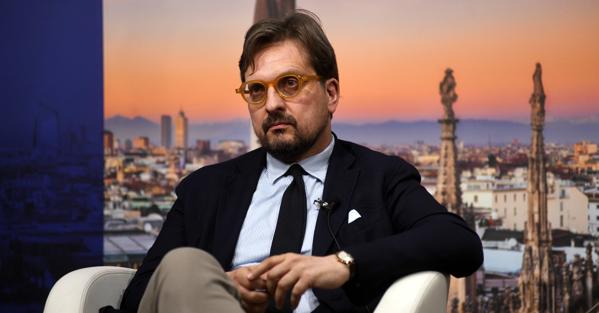
Guido Guidesi Assessore allo Sviluppo della Regione Lombardia

Why does the slowdown in German manufacturing seem to weigh less heavily here?

This is the Lombardy exception. At one time, at the first signs of a slowdown, social shock absorbers and states of crisis were triggered off. Today our companies know how to anticipate crises, they are more flexible and quick to change. This is the great maturity of our companies.

But then what is the main problem of industry in Lombardy? .

Finding employment. In some provinces we have broken the psychological threshold of unemployment at 3%, in Brescia (2.7%) and Bergamo (2.8%). Moreover, 34% of 2023 new hires are in Green Jobs: we are already implementing the green transition.

However, attracting investment, including from abroad, remains crucial.

We are working on a plan that starts from the idle areas. We want to try to be selective: to attract stable investments. We start by mapping the ecosystem and look for investments to fill a gap in a supply chain or to add value, with strategic planning, which is what a region must do, coordinating the territories.

An example?

The microelectronics district in Pavia, with the University and the Microelectronics Engineering course. And here the government created the Chips.it Foundation. We want to apply the model to other sectors, for example automotive, which must be a widespread district.

You've already mentioned the automotive twice, does the tongue hit where the tooth hurts?

Thirty per cent of our companies in the sector are in danger of dying because they cannot convert to electric, but we are convinced that we are winning the battle of technology neutrality in Europe.

How?

There is already a widespread awareness: you can't just focus on electric cars. And then from January 2025 Lombardy will have the presidency of the European automotive alliance: we want to build on the conclusions of the G7, which also talk about biofuels and technological neutrality, and make ourselves heard in Europe, after all the G7 is above Europe and Germany is part of the G7.

Is it enough to remove the European constraint or do we need public investment?

Just think how much good we could have done for the environment and the economy by incentivising the replacement of the current vehicle fleet if we had used part of the European investment dedicated to electricity... One idea we had suggested was to maintain the liquidity guarantee fund for business credit created during Covid. Too bad we didn't.

Do you think Europe is ready to say it was wrong?

Europe can be competitive if the manufacturers are there, which is why Lombardy is teaming up with the other manufacturing regions. We are applying to be interlocutors with the Commission and companies are moving in this direction. After all, we go to Brussels once a month, to Rome once every six months.

De facto autonomy, pending autonomy by law?

Well, that we cannot use the tax lever, like Bavaria, remains a problem. If Lombardy is the locomotive of the country, it must be able to start from the same starting blocks as other similar regions in Europe. The minute autonomy is approved, we demand the competences on the possible topics. For two years we have been waiting for a 'special logistics zone' project to be approved for the river ports
of Cremona and Mantua, does that seem possible?

What else can a region do to support growth?

Developing unexpressed potential, connecting know-how, making research available to the supply chain and not just in a book on a desk. The region can and must act as a connector of the added values that already exist.

How is the implementation of the NRP in Lombardy going?

Fine, but it was a mistake for Count 2 not to involve the regions, which could have played a role in coordinating projects and monitoring work progress. A centralist and levelling-down choice.

And the relationship with other regions?

Excellent with both European and Italian regions, for example with Liguria and Piedmont we have created the North-West economic table on macro-themes, such as energy, including nuclear, always because we have to start from the same starting point as other production areas and not make our companies pay much higher energy costs. We start with supply chain projects in Lombardy, move on to alliances with neighbouring regions, and expand to European production areas.

Does the Milan-Turin-Genoa industrial triangle return?

Smile.

Copyright reserved ©
Loading...

Brand connect

Loading...

Newsletter

Notizie e approfondimenti sugli avvenimenti politici, economici e finanziari.

Iscriviti