
Shein and Temu's low-cost fashion burns more and more oil
China's synthetic fibre production has exploded, and 90% of the increase in demand for crude oil is related to chemicals, not cars

3' min read
3' min read
Just before Christmas, a Parisian influencer, known for promoting 'body positivity', uploaded a video on Instagram in which she showed clothes by Shein, offering 15% off to her followers. This is now common practice in the social world, as thousands of influencers on TikTok and Instagram work with Shein to post videos in which they try on piles of clothes, invite followers to visit Shein's pop-ups and promote their sales events.
Chemicals in clothes
.It sounds like the business fair, but none of these influencers tell about the oil these companies use to produce their products, such as the 3 euro T-shirts. No one tells that oil consumption today does not only affect car giants like General Motors and Toyota, but also fast fashion giants like Shein and Temu, because it is fuelled by the chemicals used in the production of clothes.
The clothing offered by the fast-fashion giants is dominated by polyester, a material derived from petroleum, which is responsible for the unintentional release of microplastics into the environment.
Fashion burns oil
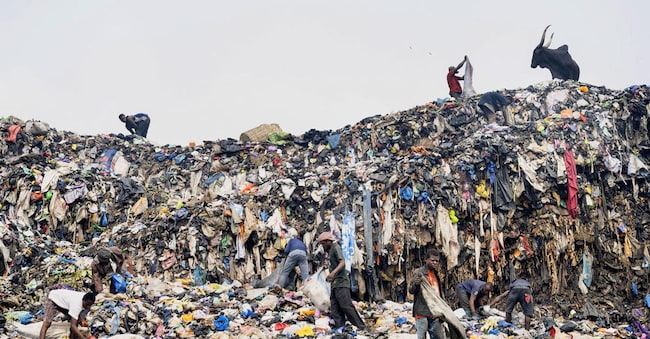
.It must be said that already in 2020, the European Parliament estimated that the fashion industry was responsible for 10% of global carbon dioxide emissions, more than international flights and shipping combined. And the Chinese fast fashion boom, led by high-growth companies like Shein and Temu, is exacerbating the situation.
It is no coincidence that on 14 March, the lower house of the French parliament passed a law targeting precisely the business model of these companies, with a measure to compensate the environmental impact of the fast fashion industry, by banning advertising by certain companies and penalising them with a taxation that foresees increasing annual increases of up to 10 euros per garment by 2030.


