
Lufthansa plans EUR 1.7 billion increase for fuel
The German group improved its first quarter result with a lower-than-expected loss and confirmed its guidance for the year. On the stock exchange +5.6%
by Mara Monti
 Aggiungi Il Sole 24 Ore
ai preferiti su Google
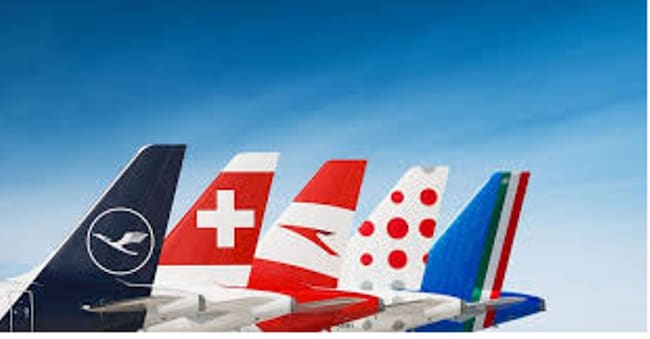
The German Lufthansa Group expects fuel costs to rise by EUR 1.7 billion this year. Despite uncertainties related to the conflict in the Middle East and the closure of the Strait of Hormuz, the company confirmed its financial guidance for 2026.
The company said it is 80 per cent covered against the risks of rising fuel prices, but remains concerned about possible restrictions in the supply of paraffin. "Although no restrictions are currently planned at any of the group's hubs, a potential reduction in fuel availability later in the year is an additional risk factor," the company said in a note. On the stock market, the share rose 5.60 per cent.
In order to contain the impact of rising costs, Lufthansa is relying on increased ticket revenue, better network planning and further cost-cutting measures that have not yet been detailed. Initiatives already underway include the closure of the regional company CityLine and the retirement of older, less efficient aircraft, resulting in a total reduction of around 20,000 flights.
Meanwhile, the crisis of the Gulf airlines, following the closure of airspace after 28 February, changed traffic flows, favouring flights to Asia. Lufthansa succeeded in intercepting this demand: in the first quarter it recorded a lower-than-expected loss, thanks to strong demand for long-haul flights, which offset both volatile fuel costs and cancellations due to strikes.
In particular, the operating loss (Ebit) decreased by 15% to EUR 612 million, while revenues reached EUR 8.7 billion, exceeding analysts' expectations. The company pointed out that the growth, albeit slight, in long-haul traffic offset the reduction in capacity in short- and medium-haul flights.

