
Lufthansa: the restructuring is not enough – further cuts and a leaner fleet are being considered
Fuel costs are holding back the results of the turnaround plan: cuts of 4,000 administrative staff have already been announced

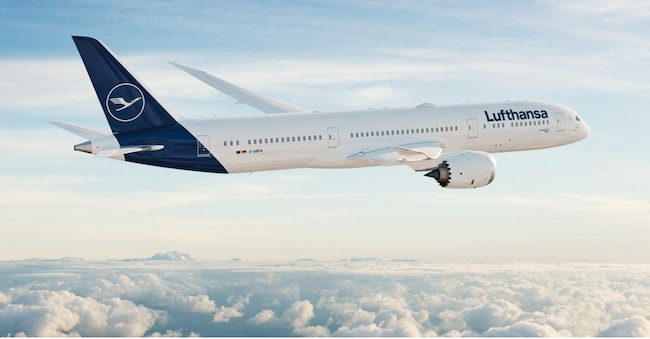
Lufthansa Airlines, the German group’s flagship airline, is struggling to improve its financial performance, hampered above all by high fuel costs. The group has therefore decided to take further action on its cost structure, cutting 1,000 jobs at its two main German hubs, Frankfurt and Munich. The measures under consideration also include a further reduction in capacity on short- and medium-haul routes and a downsizing of the Airbus A320 fleet in favour of smaller aircraft, such as the A220.
In the first nine months of the year, Lufthansa Airlines recorded an operating loss of 180 million euros. Furthermore, the management does not expect any significant contribution to the result in the fourth quarter. “After two years of restructuring, we must acknowledge that the measures initially adopted are no longer sufficient to secure our future,” wrote the management in a letter to staff. “In fact, 2026 has seen us take a step backwards: the war in the Middle East, persistently high fuel costs, nine days of strikes (which have cost €200 million since the start of the year, ed.) and an already particularly high cost base have made the situation even more critical.”
The restructuring programme
For the past two years, Lufthansa has been undertaking a comprehensive restructuring programme, which involves cutting 4,000 administrative jobs across the group by 2030. The programme has already yielded some significant results, particularly on the operational front: punctuality has reached its highest levels in the last ten years. Improving profit margins, however, is proving to be a more challenging objective and will take longer to achieve.
The company is also having to deal with complex negotiations with the pilots’ union. At the negotiating table, it has offered a commitment to recruit a thousand new staff by 2033, as well as promotions and one-off bonuses.
One of the key structural issues concerns productivity. The air transport sector currently employs more staff than it did in 2019, before the Covid-19 pandemic, despite operating with fewer aircraft and a lower overall capacity. This disparity continues to affect operational efficiency and cost competitiveness.


