
Remote working: the lunch break is being neglected
Camst-Censis report: amongst remote workers, 54.7 per cent eat lunch alone, 36.2 per cent skip the meal, and 34.9 per cent find preparing it stressful

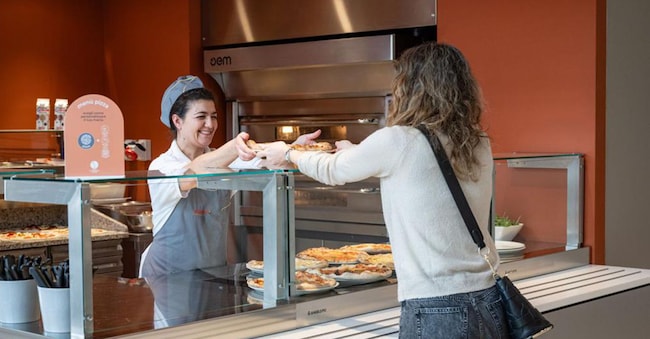
Remote working promised greater freedom, but when it comes to lunch breaks, it comes with an unexpected cost: loneliness, missed meals and fewer opportunities for socialising. This is the clearest finding of the Camst-Censis report ‘Space and Food – New Geographies of Sociality’, presented in Bologna.
Among remote workers, 54.7 per cent usually eat lunch on their own, 36.2 per cent skip their break or eat whilst continuing to work, and 34.9 per cent find it stressful having to prepare a meal. 29.6 per cent feel the strain of not eating with their colleagues, and 26.6 per cent believe that this also puts them at a disadvantage at work. 60.1 per cent experience at least one of these consequences.
For Francesco Malaguti, president of Camst, this is a sign that a balance has yet to be found. “Remote working has brought significant benefits in terms of flexibility, autonomy and better time management; however, we must also emphasise that certain aspects of the working experience cannot easily be replaced.” A break captures what the screen cannot replicate: “Eating together is not simply about nourishment: it is about being in an informal setting where trust, a sense of belonging and the exchange of ideas are fostered.” Digital and in-person interaction, adds the Camst president, “are not alternatives, but complementary.”
Why go to the office
Food, in particular, can thus become a way of encouraging people to return to the office. As Top Studio points out, 58.5 per cent of those working in a hybrid model would be encouraged to return to the office if they found better facilities and services dedicated to food. ‘Attendance isn’t built on obligation, but on value,’ observes Malaguti. “People today choose to go to the office when they feel they’ll find something there that they don’t have at home: relationships, collaboration, wellbeing, opportunities for growth and the quality of the day-to-day experience.” Not, therefore, simply a nicer canteen, but welcoming, flexible and inclusive environments.
The figures explain why. For 85.2 per cent, a good lunch break helps to build personal relationships with colleagues; for 82.2 per cent, it strengthens their sense of belonging to the team and the company; and for 83.3 per cent, it contributes to their wellbeing. And 54.2 per cent have found themselves receiving useful suggestions or information for their work whilst at the table. ‘The lunch break isn’t necessarily time taken away from work; it can also be time that adds value to the work itself,’ summarises the chairman. According to those surveyed, a good dining area also improves relationships, job satisfaction and even productivity.

