
Luxury handbags as a source of liquidity: more than 6 in 10 Italians are prepared to pawn them
It is mainly those under 40 who own high-end accessories and recognise their value. The ‘star’ items from the most famous brands today serve as collateral in the same way as jewellery and watches (and 95 per cent of them are redeemed).

Key points
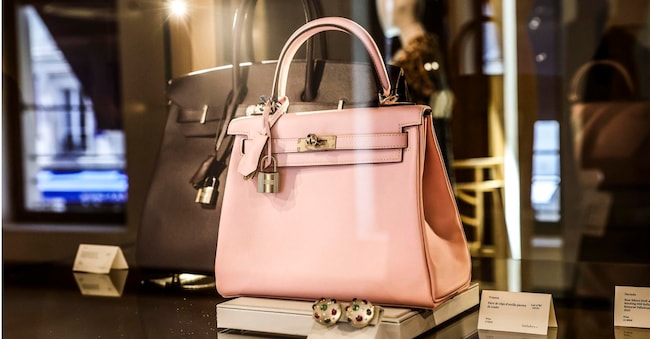
It became clear years ago that luxury handbags had evolved from aesthetically pleasing objects into genuine financial assets, well before the prices of high-end goods skyrocketed: as early as 2016, in fact, the American website Baghunter had compared the average annual return recorded between 1980 and 2015 by Hermès’s famous Birkin bag with those of the main safe-haven asset (gold) and the S&P 500, confirming its clear superiority (14.2 per cent, compared with 1.9 per cent for gold and 11.6 per cent for the S&P 500), whilst also experiencing fewer fluctuations. Today, the Ipsos Doxa Report - Affide 2026, which analyses citizens’ relationship (in the broadest sense) with valuable objects, confirms that 35 per cent of Italian citizens own luxury handbags, 64 per cent are aware of their value and more than 6 in 10 would use them as collateral to secure liquidity. At a time when inflation is eroding savings (although, over the last five years, 40 per cent of Italians have taken out a loan).
People under 40 are among the main owners of luxury handbags (including within families)
The opinion poll, carried out by Ipsos Doxa in September 2026 with 1,491 respondents, revealed that it is mainly young people who own luxury handbags: in the under-40 age group, in fact, almost one in two (45 per cent) owns at least one. And it is precisely this customer segment that pawnbroking firms (such as Affide, which commissioned the report) are targeting. Young people, in fact, are said to be among those most aware of the value of high-end handbags and, for this reason and because of an emotional attachment to the item, they would not simply wish to realise the asset’s value by selling it, perhaps at auction (an increasingly popular option: 65 per cent of the total sample would entrust a valuable item to a company with a mandate to sell it), but in some cases would prefer to retain ownership and keep the right to redeem the handbag later, in line with the traditional logic of pawnbroking.
‘Star’ handbags as a new financial asset
This concept was traditionally associated with precious metals – and therefore often with jewellery, perhaps heirlooms: 68 per cent of Italians say they wear fewer than five pieces a year, keeping the rest ‘unused’ – but it is now expanding to include these new asset classes: ‘There is a very strong correlation between jewellery and luxury handbags; they are both worn and share a similar appeal. We have been working on this affinity and on the trend towards brand-name items that has emerged over the years, partly driven by social media,” explains Andrea Rotunno, managing director of Affide, a company specialising in pawnbroking in Italia and Europe. At a time like this, with the cost of living rising and wages stagnating, luxury handbags have become, especially for young people, an asset to be used to access credit whilst avoiding other forms of debt.” In detail, says Rotunno, “we take into account so-called ‘star assets’ – that is, handbags whose brand value is widely recognised: Hermès, Chanel, Louis Vuitton and Gucci, to name but a few.” Young people in particular, according to Affide’s managing director, “are deeply aware of the value of these items, which they just as consciously choose to use as financial instruments, not least from the perspective of the circular economy”. Historically, around 95 per cent of customers subsequently redeem the pledged item.
There is a growing number of organisations around the world that accept luxury handbags – as well as valuable jewellery and watches – as collateral for non-bank loans. In the US, for example, Luxury Asset Capital is active.

