
Luxury: aspirational customers are key to halting the slowdown

Key points
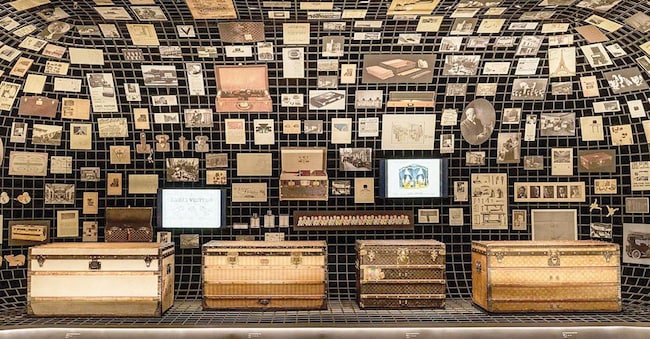
For years, the mantra of luxury brands – most of which, as we know, are ‘Made in Italy’ – has been summed up in a single word: heritage. Over the past decade, as competition in the fashion sector has become fiercer – fuelled by the emergence of fast-fashion brands – this historical, stylistic, cultural and manufacturing heritage has served as a driving force behind the growth of luxury brands. Whilst the sector’s average annual revenue growth between 2013 and 2023 stood at 5.5 per cent, the luxury personal goods segment (clothing, accessories, jewellery) stagnated at €358 billion in 2025 (-2% at current exchange rates, but +1% at constant exchange rates) and is estimated to return to growth in 2026, albeit at lower rates than in the past (+2/+4%).
Companies put to the test: how to tackle the slowdown
Heritage alone is no longer enough to counter the slowdown: the primary reason for luxury consumers’ purchases is quality (77 per cent), whilst heritage stands at 68 per cent, followed by the ability to retain value (65 per cent). This is one of the key findings of the EY-Parthenon Bulletin, EY’s quarterly analysis, which this month takes an in-depth look at trends in the fashion, luxury and beauty sectors. “To win new customers and win back some of those lost, companies must use different strategies to those of the past, focusing on the ability to convey the value of the purchase and to nurture relationships with consumers. In the case of aspirational customers, who represent a key target group for brands, a more cautious and careful approach is needed, offering personalised experiences,” explains Stefano Vittucci, Consumer Products & Health Sector Leader at EY Italia and one of the authors of the research. Aspiring customers, many of whom have been ‘left behind’ by double-digit price rises over the course of a few seasons, have become more selective, paying close attention to quality, price and the long-term value of their purchases. And it is in the relationship with them that the key to returning to growth lies. The challenge for fashion houses, in fact, is not to sell ever more, as was the case in the past, but to capitalise on the brand’s desirability, combined with other factors, to achieve sustainable and profitable growth.
The growing number of ‘flexible’ aspirational customers
As mentioned, the luxury clientele has changed and adopted a new approach: according to the EY Luxury Client Index 2026 – a survey of 1,631 aspirational luxury customers across 11 markets and four generations of occasional customers, who are more cautious and sensitive to economic conditions – there is a segment of aspirational customers that has continued to grow: the ‘flexible’ customers. These are occasional, lower-spending shoppers who are selective and sensitive to trust and financial conditions. This segment now accounts for around one in four aspirational consumers, 15 per cent more than in 2025. The survey reveals that many aspirational consumers have consciously chosen to move away from luxury brands in favour of niche brands, which appeal to them due to their perceived higher levels of craftsmanship, innovation and authenticity.
The in-store experience
In this context, boutiques continue to represent an important point of contact between companies and their customers: 71 per cent of customers make purchases through the brand’s shop, and 67 per cent are extremely satisfied with their boutique experience. Experiences, particularly exclusive ones, make all the difference: 75 per cent are likely to buy from a brand that offers them; 73 per cent would be willing to pay to attend an exclusive event. However, not all brands offer such experiences, or they fail to reach aspirational customers, remaining confined to the top of the pyramid: in fact, 30 per cent of those surveyed had not received any exclusive experiences in the past year. Yet a significant proportion of consumers (63 per cent) would also consider a subscription offering exclusive products, services or experiences.
The role of AI
Artificial intelligence is also one of the tools for strengthening – or building – customer relationships: 94 per cent believe that artificial intelligence can enhance the shopping experience, particularly because it offers an improved online search function (56 per cent), personalised recommendations (50 per cent) and in-store tools such as smart mirrors and virtual try-on (47 per cent).

