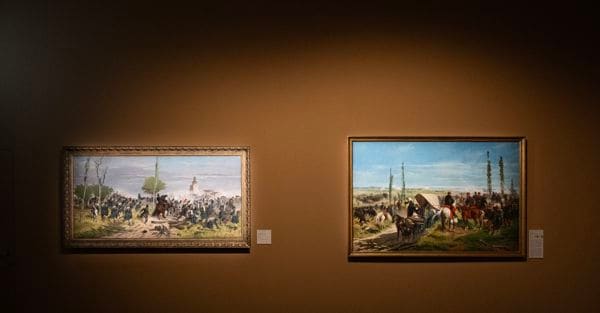
The Macchiaioli, anti-rhetorical interpreters of united Italia
The Palazzo Reale in Milan is dedicating an ambitious and unmissable exhibition to the group, open until 14 June

If it is true that, free from the rhetoric in vogue at the time, the birth of a united Italia found in the 'Macchia' the highest interpreter of the hopes and disappointments of a country in perpetual fieri, this generation of Tuscans, and for the most part Florentines, had the arduous task not only of recounting the historical battles of the Risorgimento, but also of fighting their own against a particularly adverse criticism and public. And all this Macchiaoli accomplished without a manifesto or tight organisation, yet interpreting with flair, aesthetic vision, language and very new colours, places, themes, expectations, atmospheres and feelings that the adverse academy could never have so narrated. The fair and philologically accomplished exhibition dedicated to them at the Palazzo Reale in Milan, on the occasion of an event such as the Winter Olympics that projected Italia into the world, is an unmissable opportunity to finally take the aura of this movement far beyond our borders.
Fernando Mazzocca
"The Macchiaioli who are united by Risorgimento ideals, as they directly participated in the events and many volunteered in the Second War of Independence, are then united by the thought of Mazzini," says curator Fernando Mazzocca.
And again, 'They recognise themselves in Italia and naturally share Garibaldi's libertarian action and ideals. So they are in some way bearers of Jacobin revolutionary ideals. This attitude is reflected in their painting, which is so strongly committed, so innovative, with which they wanted to change society and thus offer to the Italy that was taking shape, a new type of painting in which they could recognise themselves, in which they could reflect their own identity even in so-called history painting, and in fact they prefer contemporary history subjects to ancient history subjects, hence the events of the Risorgimento, and even in their landscape paintings, in their portraits, in their scenes of everyday life they reflect this Italy that is changing.... an Italia projected towards great hopes, which were, however, partly to be disappointed. So we can say that Macchiaioli in some ways live the illusions, but also the disappointments of a Risorgimento that for them will be a Risorgimento betrayed'.
Elisabetta Matteucci
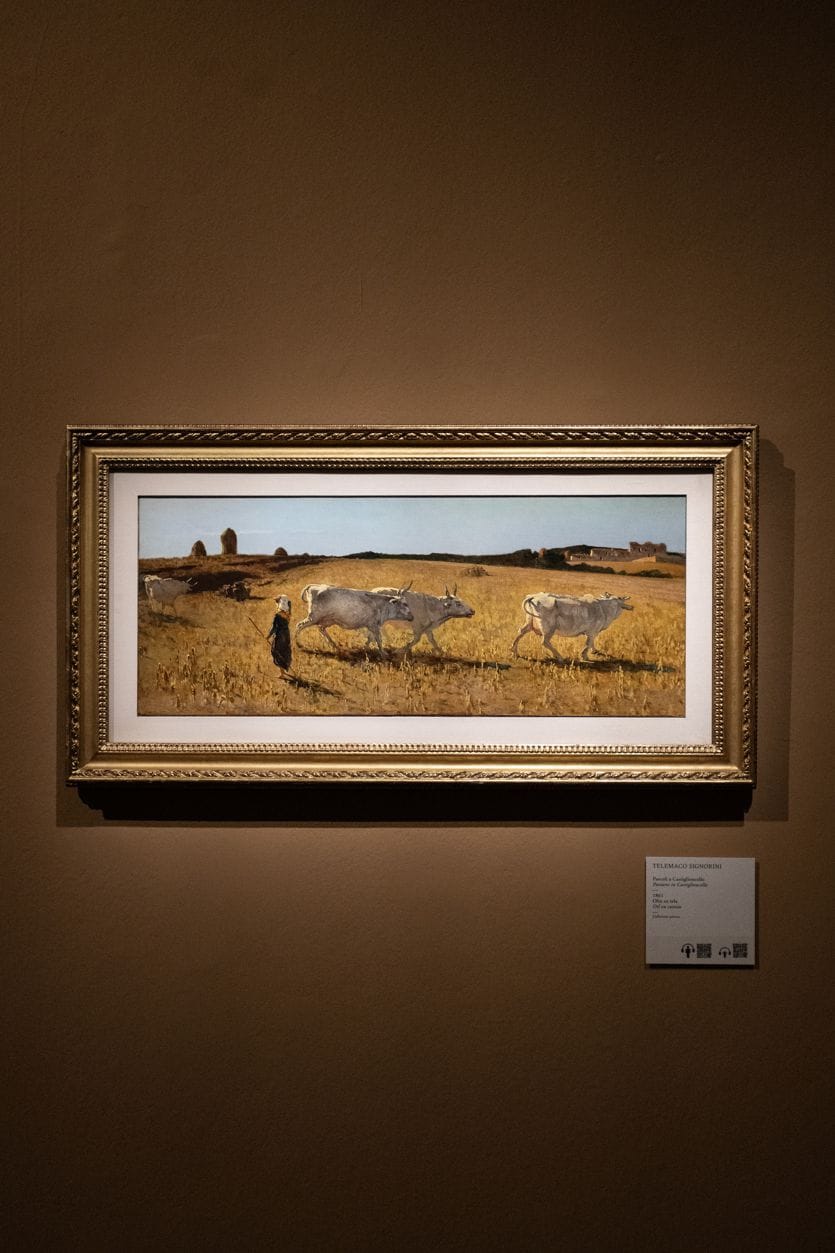
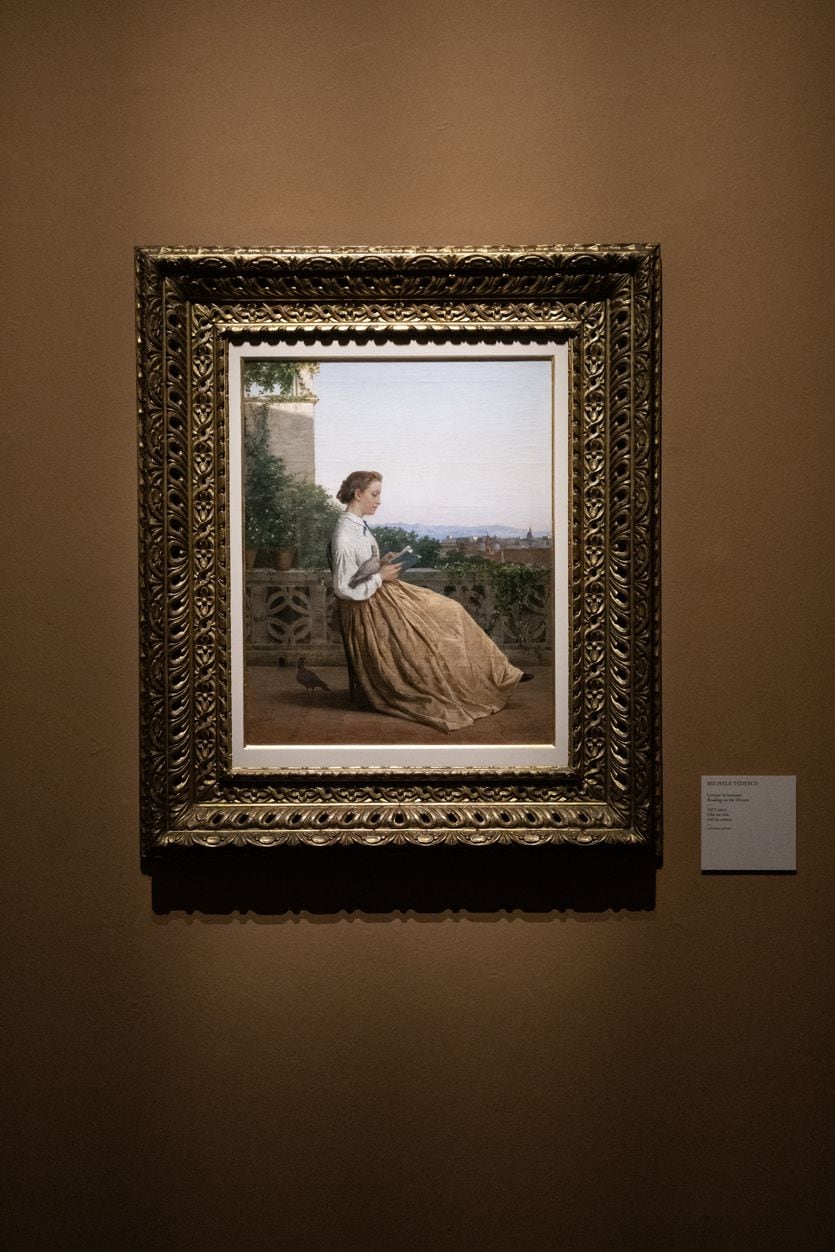
"Visconti was one of the protagonists of the re-evaluation of the figurative culture of the Macchiaioli, drawing extensively from their masterpieces, and indeed within the perimeter of his visual culture there are two masterpieces such as Senso, inspired by Camillo Boito's novella of the same name, and Il Gattopardo, which present precisely declared quotations from subjects by Hayez, Abbati, Fattori, Silvestro Lega, and Telemaco Signorini," adds the other curator, Elisabetta Matteucci, to our microphones.
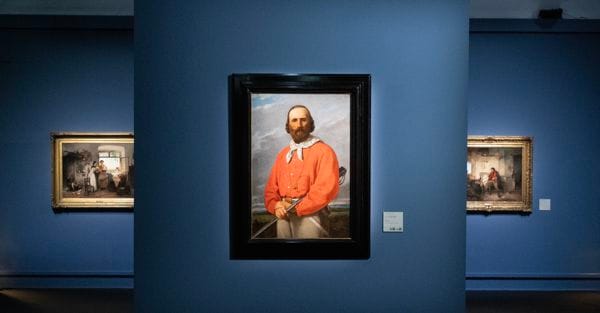
With more than 100 works from Italy's most important museums and numerous private collections, the exhibition takes stock of the artistic and human adventure of Giovanni Fattori, Silvestro Lega, Telemaco Signorini, Odoardo Borrani, Adriano Cecioni, Vito D'Ancona, Vincenzo Cabianca, Federico Zandomeneghi, and the other protagonists of a crucial moment in Italian history.