
Madagascar in crisis: what risks for tourism from Europe?
Political uncertainty weighs on travel. The Farnesina advises against non-essential travel. Italian consul: 'These crises last a long time and slow down the economy'
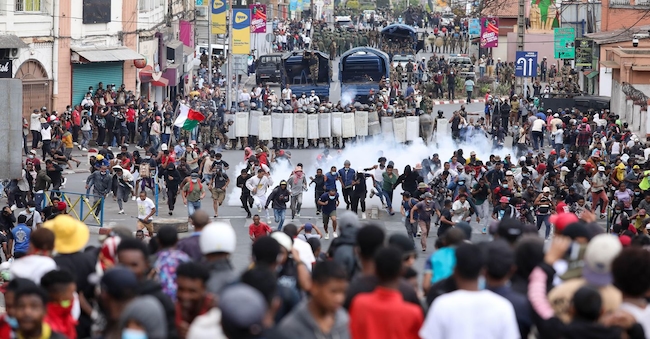
After the dissolution of the government following the wave of protests that swept the country, Madagascar faces a climate of great political and social uncertainty.
The demonstrations, triggered by the chronic lack of water and electricity, escalated on 24 September with the first clashes between protesters and police.
In the wake of what has happened in recent months in Indonesia and Nepal, the protest has spread, giving rise to a broad anti-government youth movement, which through social media has fuelled what has been called the 'GenZ revolt'.
"Over the past few days I have hardly left the office because the demonstrations have been violent here in the capital," says Italy's honorary consul in Madagascar Michele Franchi. "The discontent has been building up for a long time and the fuse was the energy crisis: from June to November, the dry season makes blackouts more frequent, leaving entire areas without electricity and water because the pumps do not work.
The toll of the protests is 22 dead and more than 100 injured according to the United Nations. President Andry Rajoelina announced the dissolution of the executive, which will remain in office on an interim basis until a new government is formed. The protesters, however, are also demanding his resignation.

