The magic of a dress that heals: the fashion show at the Children’s Hospital in Florence
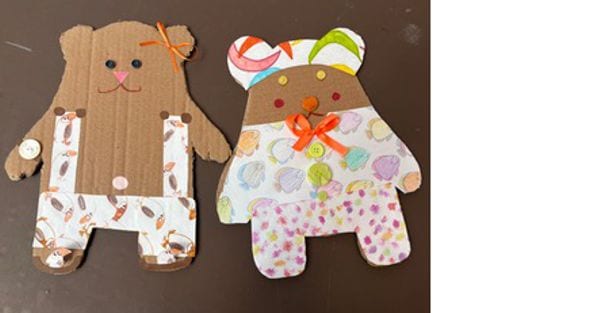
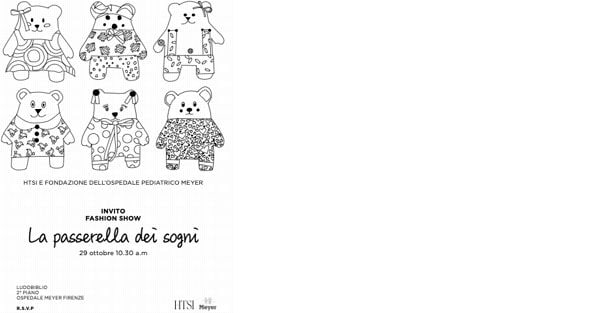
To round off Fashion Month, HTSI, in collaboration with the Meyer Foundation, is showcasing on the catwalk the outfits created thanks to the imagination of the young patients.
by the Editorial Team
 Aggiungi Il Sole 24 Ore
ai preferiti su Google
Organising a fashion show for an audience of children, who are used to weaver mice, invisibility cloaks, magic shoes and marvellous dresses, is anything but easy. To think of organising it inside a children’s hospital, in the spare moments between tests and treatments, defies all logic and common sense. Because it is precisely when the desire to invent and play is undermined by the harsh reality of illness that we must nurture the imagination with imagination, and cultivate the ability to dream and create worlds. The Children’s Hospital – IRCCS Meyer University Hospital – is located in Florence, but it is a leading diagnostic centre and a beacon of healthcare excellence at European level.
Here, physical therapy and technical-scientific research go hand in hand with the belief that the well-being of inpatients requires much more than just efficient and empathetic medical and paramedical staff. We need teachers, educators, psychologists and educationalists, but also gardeners, painters, poets, clowns, musicians, storytellers and tailors… And, of course, dogs, cats, teddy bears and dolls. We need medicines and smiles, colourful walls and equally colourful scrubs.
Because even a hospital bed can be transformed into a spaceship, a flying carpet, a ship… ‘It’s about embracing illness in all its many facets and asking how a child’s or young person’s imagination can survive when something invisible is happening inside their body. Not the usual grazes or a low-grade fever lasting a few days, but something that feels menacingly like a barrier to the future, and sometimes to survival itself,’ explains Manuela Trinci, author of the book My Bed Is a Ship (published by La nave di Teseo in collaboration with the Meyer Foundation). ‘Scars, injections, drips, CT scans, bitter medicines, invasive treatments and deep-seated anxieties: how can we keep a child’s imagination alive in this reality? How can we avoid succumbing to despair? How can we help the many ‘Tom Thumb’s’ lost in the forest of dark emotions to imagine what lies beyond and elsewhere, beyond this bewildering present that moves between hospital wards and treatment rooms?’”
Among the many poetic, playful and creative responses, one is fashion, because its transformative power can heal precisely through a marvellous discovery: the possibility of imagining oneself differently.
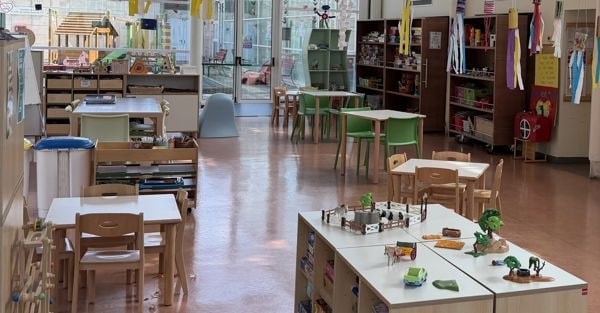
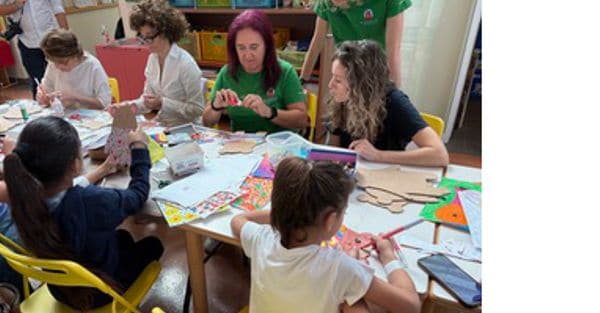
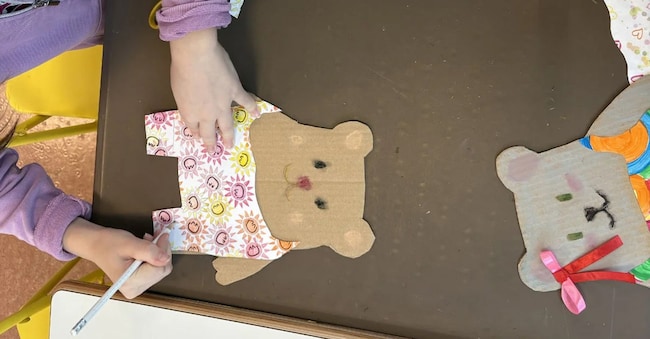
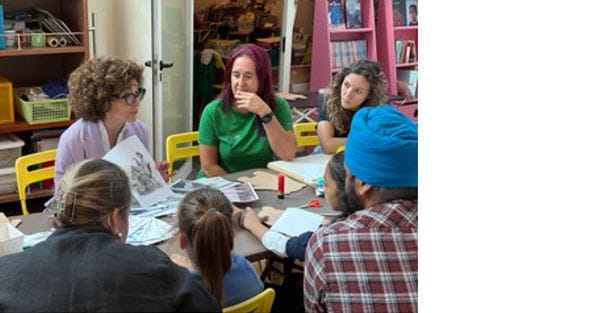
Throughout 2026, children in hospital were invited to take part in ‘scissors, glue and magic wands’ sessions at the Ludobiblio – one of the many cultural activities organised as part of the Meyer Foundation’s projects – using fabrics, ribbons, paper, papier-mâché and storybooks. They drew, cut out and glued together fabric puzzles, marvellous crowns, caps, drapes and jewellery, using dolls, animals and cardboard cut-outs as models, with freedom as their sole designer.