
The magic and art of stage costumes at the Festival dei Due Mondi di Spoleto
The link between fashion and the other arts is tightened at the Festival, which opens its 67th edition on 30 June, with a project supported by the Fondazione Carla Fendi to revive the large and rich archive of her costumes
3' min read
3' min read
Not only music, theatre and the performing arts: the rich heritage of the Spoleto Festival dei Due Mondi, which will inaugurate its 67th edition on 30 June, also includes fashion with increasing conviction. Fashion understood above all as the art of stage costume, a category that the artistic director of the Festival dei Due Mondi, Monique Veaut, decided to enhance some time ago, with the launch of an exhibition project that brought costumes made in the long history of the Festival to the spaces of the patrician Palazzo Collicola in the Umbrian city.
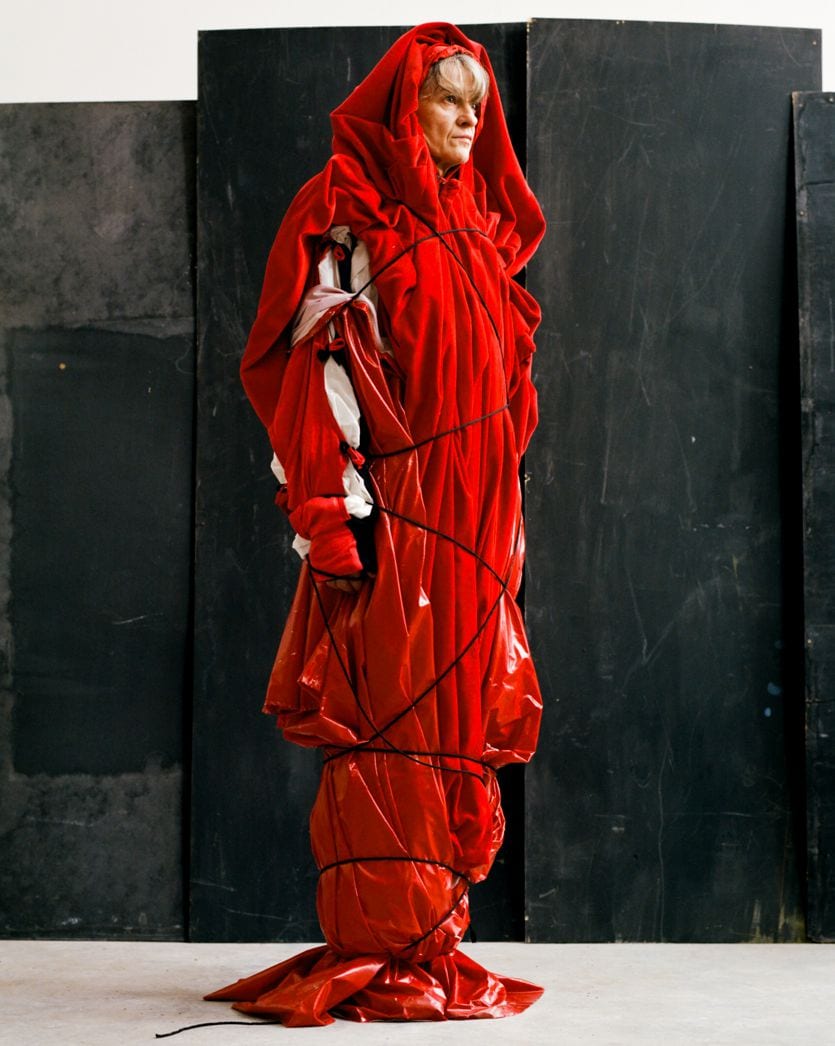
Underlining this new and important link is also the Legàmi project, which marks a new collaboration between Mahler &LeWitt Studios and the Fondazione Carla Fendi, the event's main sponsor, and which presents the work of award-winning American photographer of Dominican origin Luis Alberto Rodriguez in collaboration with Italian set designer Afra Zamara.
Loading...
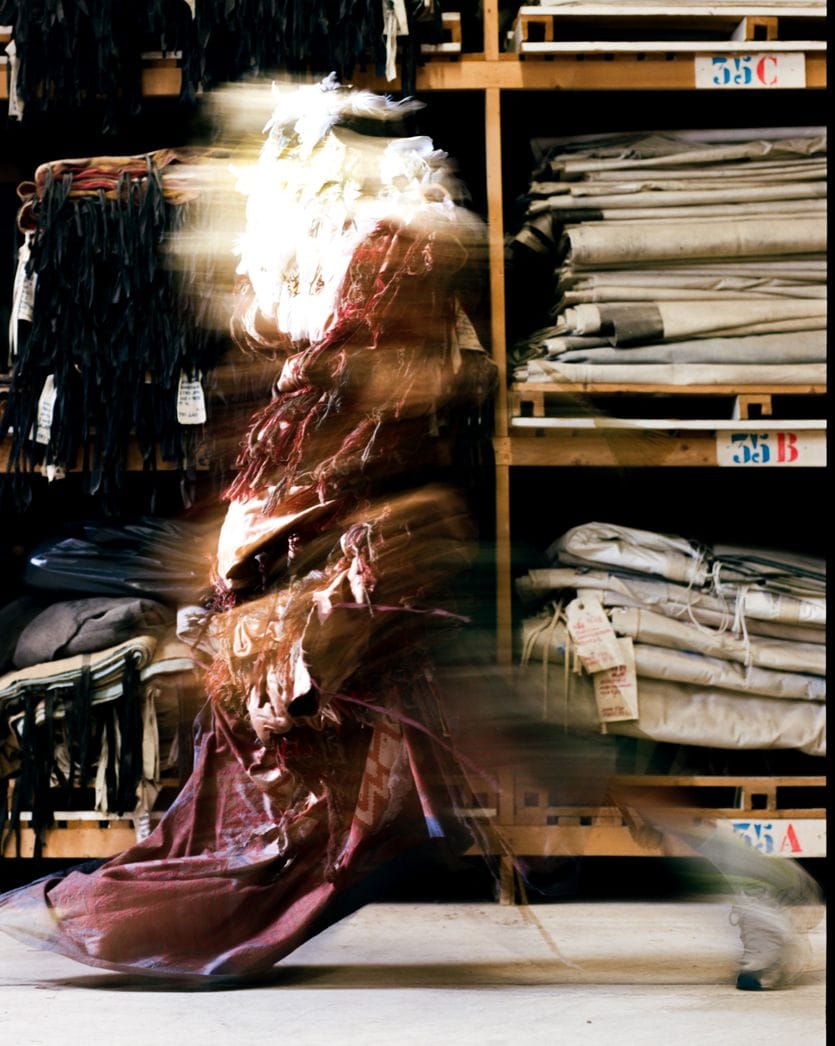
Rodriguez and Zamara selected costumes from historical operas and ballets, assembling them in unexpected and elaborate ways to emphasise and evaluate the way the dress defines identity. Capturing the splendour and detail of the original costumes and placing them in new situations that relate to fashion, Rodriguez, who before choosing photography was a dancer and performed in theatres around the world, presents his subjects as otherworldly entities with the costumes as surrogates for the body. The project was developed during the period of the two artists' residency at the Mahler &LeWitt Studios in Spoleto, as part of the three-year residency programme supported by the Fondazione Carla Fendi through the 2021 Carla Fendi Prize, awarded precisely to the studios founded by sculptor Anna Mahler, Gustav and Alma's daughter, and conceptual artist Sol LeWitt, who both lived and worked in Spoleto for many years. The exhibition is set up in the former church of Santa Maria della Manna d'Oro, a 17th-century baptistery overlooking Piazza Duomo, used by the Fondazione Carla Fendi for projects within the framework of the Festival.
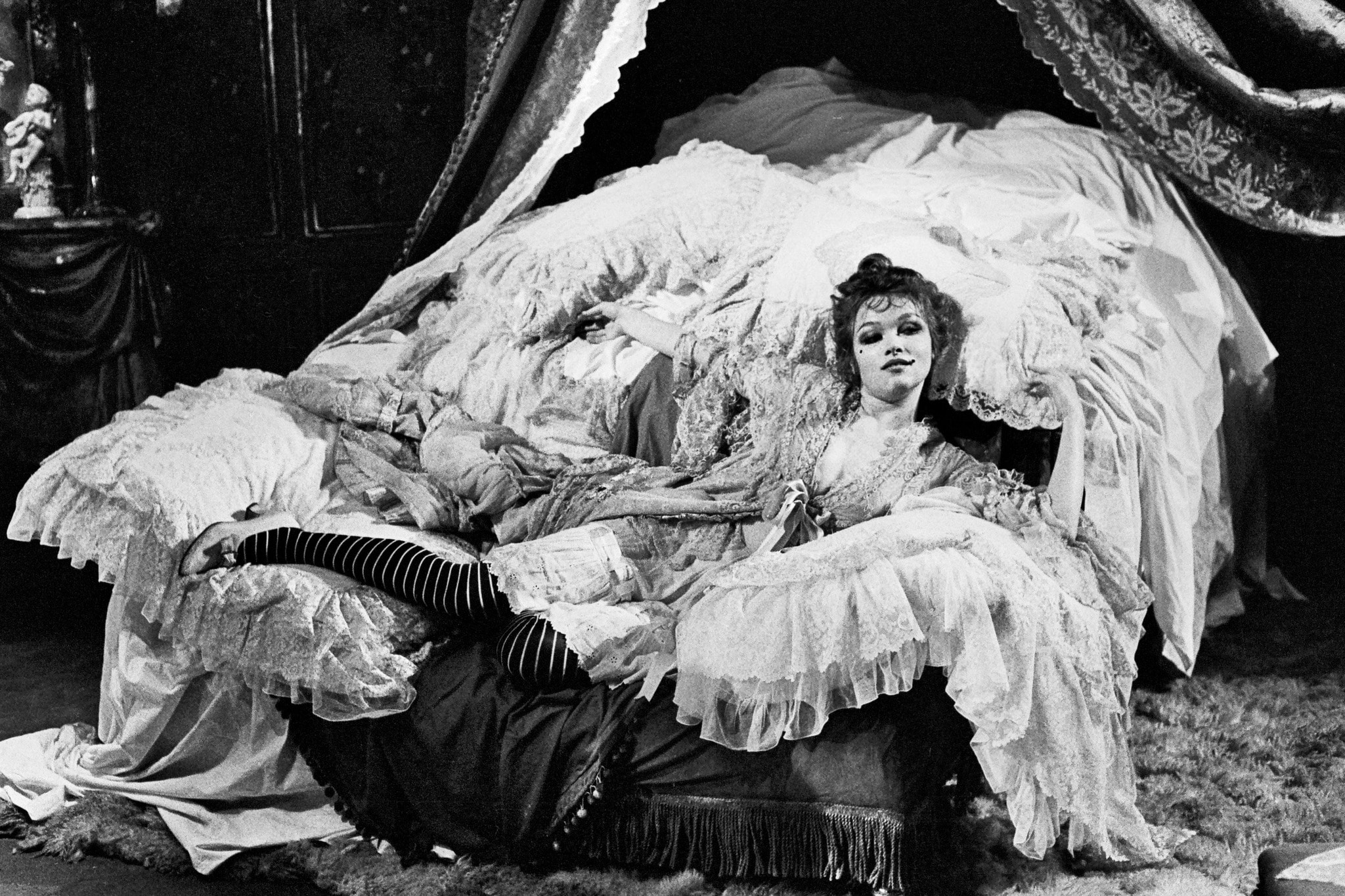
In the archives of the Festival, founded by Giancarlo Menotti in 1958, around 3,800 costumes have been collected, which tell the story of theatre, dance and opera between the 1960s and the 2000s, tracing the evolutions that took place in parallel with culture and fashion. The first reorganisation was presented in November 2021, and brought to light such precious creations as the dress worn by Rudolf Nureyev in 1964 in the performance "Raymonda", the costumes from "Boris Godunov" in 1971, from "Les contes d'Hoffmann" in 1989, and from "Amahl and the Night Visitors", by Menotti himself, in 1996. Protagonists in the history of the Festival dei Due Mondi have also been historic names in Italian stage costumes, such as Piero Tosi and Gabriella Pescucci, who created (with the Tirelli tailor's shop in Rome) those for Giacomo Puccini's memorable "Manon Lescaut" directed by Luchino Visconti, which was performed with enormous success in 1973 and 1974.
One of the most recent and important occasions of contact between theatre and fashion in 2020 was when maestro Roberto Capucci designed 15 costumes for "Le Creature di Prometeo / Le creature di Capucci", a concert in scenic form to the score by Ludwig van Beethoven. In 2019, however, the playbill hosted the show "Fashion Freak Show, Jean Paul Gaultier", dedicated to the life of the French designer, curated by himself together with Tonie Marshall and choreographer Marion Motin. Also supporting the Festival for the past 14 years is Fabiana Filippi, a clothing company based in Giano dell'Umbria. Aficionados will also find in Spoleto a beautiful Museo del Tessuto e del Costume, which houses artefacts from the 14th to the 20th century and a collection of sacred parameters.
Copyright reserved ©


Brand connect
Loading...
