
Magrì (Astm): 'Maintenance? We need to rebuild from scratch and design new works'
The Asti-Cuneo managing director takes stock of the work to complete the second lot of the link and talks about the work needed on the existing network

2' min read
2' min read
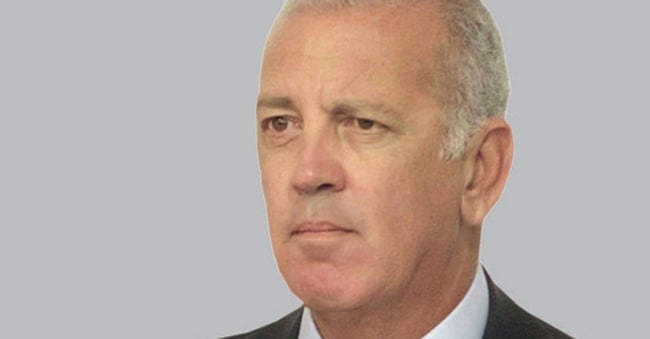
Reducing from 30 to 15 months the time needed to complete the second lot of the Asti-Cuneo, one of Piedmont's great unfinished projects that will be operational by the end of the year. This is one of the tasks undertaken by Bernardo Magrì, managing director of the company that manages the infrastructure. As head of the concession business unit Italy for Astm (Gavio), however, he has a vision for the entire network managed by the group. 'We need to make a qualitative leap and move from the logic of management and maintenance to the planning of new infrastructure,' he emphasises.
The problem of construction sites and jobs weighs heavy, how do we get out of it?
We now have in Italy infrastructures built between the 1950s and 1980s. We have arrived at an epoch-making moment, because many of these works have reached the end of their useful life, maintenance can lengthen their operation and allow the passage of vehicles in safety, but current standards require performance that no matter how much maintenance can be done, it will not be able to meet current standards. In many cases, even extraordinary maintenance cannot make them adequate. We need to start thinking about replacing these works, and we are doing so thanks to a programme comparison with the Italian Ministry of Economic Development and the Piedmont and Liguria Regions.
Where is this problem most evident?
Let's take the Turin-Savona motorway as an example, a good part of which we are actually demolishing and rebuilding from scratch. We need to start a planning phase with the stakeholders for an alternative motorway network to the current one, with the logic of the high-speed railway alongside the historic network.
Back to Asti-Cuneo, what's the point on tolls?
The barrier-free free flow toll system has been installed. There has been a running-in phase, we have intervened to simplify the various payment methods, and a dedicated app will soon be available on the Ios and Android systems to further facilitate payments.


