
Test: do we know how to maintain a balanced financial portfolio over time?
A test to measure one's attention to keeping one's investments calibrated to the right measure

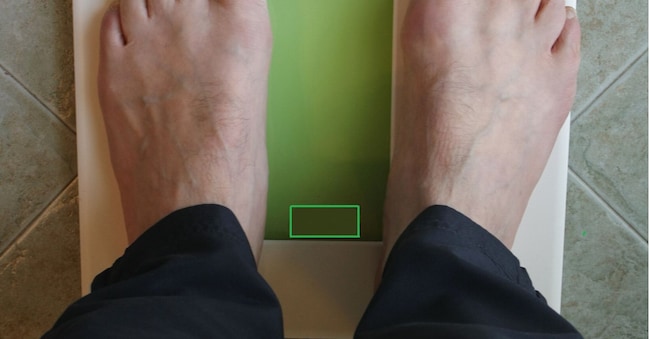
Checking our body weight frequently is certainly wise. We don't have to be the models or the catwalk models, but our health also depends on our bad eating habits and lifestyle. Keeping in balance does not guarantee, but it certainly helps.
Our investment portfolio has a balance to be maintained over time. Depending on our objectives, time horizon and risk profile, we define an appropriate weighting of the asset classes in the portfolio. The most banal and simple example: 50% stocks and 50% bonds. This is a "wise", diversified portfolio that will allow us to achieve our objectives over time. Not everyone has the same recommended percentages: my 35-year-old son has a stock weight close to 100%; I need to have a little less stock in my portfolio.
So it is clear. We define, together with a financial advisor, our strategy to be maintained over time: for example, we buy EUR 50 of a diversified equity portfolio (European equities, for example) and EUR 50 of a diversified bond portfolio.
Developments in the financial markets unbalance these weights over time: for example, if I built the portfolio at the beginning of November 2005, in November 2007 the weights have changed: 42% bonds and 58% shares. The portfolio has become "unbalanced". I have to rebalance, bringing the weights back to the strategic equilibrium weights. I sell some shares (which have grown a lot) and buy some bonds to get back into balance.
Let us imagine doing this check every month and rebalancing from November 2005 to the present. Well, rebalancing pays off: as a result of this trivial but important attention, the amount of my investment is higher by almost 20,000 euros.

