
Mali, jihadist fuel blockade scuttles Bamako
Supply paralysis inflicted by militias increases insecurity and dissatisfaction with the military junta

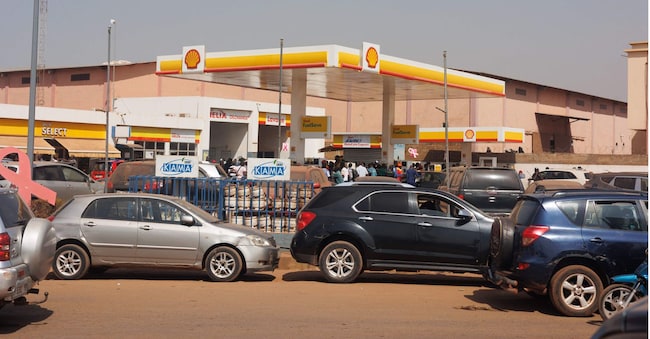
Kampala (Uganda) - The terrorist siege has been going on for years. The economic one was triggered a few weeks ago, but it is already shaking the junta in Bamako. In recent days, the United States and Italy have asked their citizens to immediately leave Mali, which has sunk into the latest chapter of its crisis with the paralysis of petrol supplies inflicted almost two months ago by Jama'at Nusrat al-Islam wal-Muslimin (Jnim): an Islamist group affiliated with Al-Qaeda and in conflict with the military junta that has ruled Bamako since the double coup of 2020 and 2021.
According to an estimate reported by the Associated Press agency, the militiamen set more than 100 trucks on fire and paralysed the flow of fuel in the capital, with increasing repercussions on access to electricity and the security conditions of one of the countries tormented by the spiral of violence that has elected the Sahel as the African and global epicentre of terrorism.
The Mali and Sahel Spiral
Mali, with an estimated population of almost 24 million in a territory more than four times the size of Italy, is caught up in the same back-and-forth between terrorist rise and coup reaction experienced by its neighbours Burkina Faso and Niger between 2022 and 2023. The current junta led by General Assimi Goïta came to power with the declared aim of eradicating terrorist violence, relying also on relations with contractors then within the perimeter of the Russian Wagner group (now renamed Africa Corps, although the boundaries between the two are blurrier than one might infer from the Kremlin's statements).
The humanitarian budgets revealed ever more clearly the inadequacy of the junta's strategy. The Global terrorism index, a report by the study centre Insitute for economics and peace, recorded 604 victims in 201 attacks in 2024 alone, although this was down 21% from the previous year. The militia's violence is intertwined and fuelled by those blamed on the national security forces and Russian mercenaries, including traumatic massacres such as the massacre of 300 civilians in the town of Moura in 2022 or the humiliation cashed in the defeat with the Tuaregs in the summer of 2024.
The vulnerability of the military junta
The fragility of the Malian executive has become even more evident with its inability to break the 'energy' blockade deployed by the militiamen at the beginning of September and still in force today, with insidious repercussions on Bamako's resilience. The blockade launched on supplies is costing electricity suspensions and an inflationary blaze that hangs over an economy in the throes of the junta's 'sovereignist' reforms with the ousting of foreign investors and multinationals from the extractive sector. The Qatari broadcaster al Jazeera has calculated a 500% increase in the price of a litre of petrol, a leap from 25 to 130 US dollars.


