
Manoeuvre, from Irpef to extra-profits: the most likely and the most uncertain measures
Some measures, such as cutting Irpef, seem very likely, while others, such as taxing extra-profits, are still under debate.

3' min read
Key points
3' min read
As of next Wednesday, the clouds surrounding the 2025 manoeuvre should begin to clear. Probably on Wednesday, the structural budget plan will receive the formal green light from the Council of Ministers to be sent to Parliament where the resolutions could be voted on around 3 October. Waiting for the contents of the manoeuvre to be sent to Brussels on 15 October, the drafting of the actual budget law will take place on the 20th. For now, the almost certain measures that should go in are only the confirmation of the tax wedge cut and then that of the three-rate Irpef. Still to be defined is the whole question of extra-profits, with the positions in the majority far from being in agreement.
Tax wedge and Irpef structural target
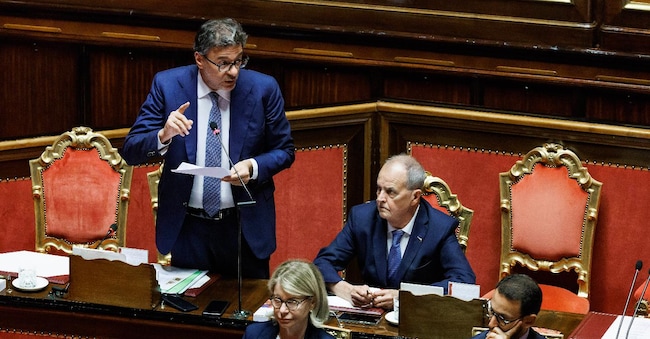
The government's objective in the manoeuvre is not limited to replicating the tax wedge cut and the three-rate Irpef, but aims to 'make them structural for the years to come', said Economy Minister Giancarlo Giorgetti. With more than 14 billion in cost, the wedge cut and the reduced Irpef will take up much more than half of the manoeuvre. Last year, the two measures were only introduced for 2024. An encore of this mechanism would create an annual mortgage on all future manoeuvres.
Increased resources for health
.Everyone agrees on allocating more resources to healthcare, although they will have to be quantified. "Expenditure on health will increase" since "we have committed ourselves to keeping health spending in relation to GDP," said Giorgetti. "Good", but "there are no figures yet", commented Health Minister Orazio Schillaci..
Flat tax for VAT holders and the self-employed under discussion
For the League's workhorse, the flat tax for VAT numbers and the self-employed, nothing has yet been finalised. 'We are working as the League on the self-employed front to be able to go up from 85muila euro in flat tax, because it is a common advantage,' said League leader Matteo Salvini. But the economy minister, Giancarlo Giorgetti (also of the League), did not mince his words. 'We are studying measures that push development' and 'the flat tax on VAT numbers is something that has proven to work' but first 'I am focused' on keeping the accounts in order, 'then we will meet and evaluate what to do'.
Controversy on taxation of banks' extra-profits
Far from being in agreement are the majority parties on the issue of taxation on the banks' extra profits, in order to hunt for resources with which to finance other interventions. Marco Osnato (Fdi), chairman of the Finance Commission of the Chamber of Deputies and economic manager of Fratelli d'Italia, clarified: 'We will calmly assess whether a contribution to further growth of the Italian economy can also come from the banking system'. A position that Forza Italia, however, is against. "We are contrary to any tax on extra-profits. It would harm the proximity banks and create uncertainty on the markets to the detriment of Italy," said leader Antonio Tajani.


