
Manoeuvre, immediate wedge cut and 64-year pension. But 103 decrees are needed to implement all the measures
OK for the structural wedge cut and the possibility of bringing forward the pension to 64 years of age. 1.8 billion will need further measures to be released

3' min read
3' min read
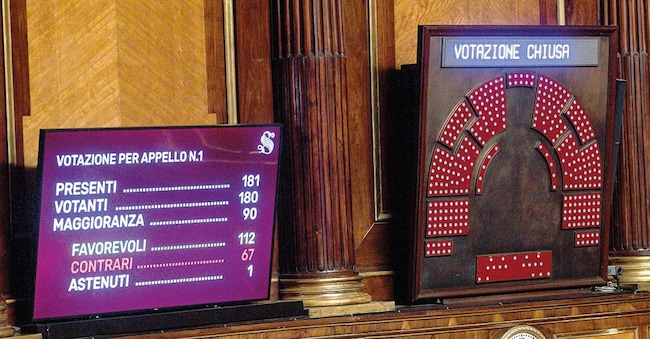
The final OK in the Senate yesterday (112 yes, 67 no and one abstained) closes the parliamentary path of the 2025 budget law, a manoeuvre worth 30 billion. The implementation game now opens, which will mainly involve ministries and state administration apparatuses.
There are in fact regulations that will come into force immediately on 1 January 2025, such as the cut in the tax wedge (confirmed and made structural for low and middle incomes and extended also to incomes up to 40 thousand euro), the possibility of anticipatingthe pension at 64 years of age through the cumulation of compulsory and complementary pensions, or the extension, for the next three years, of the 20% increase in the deduction of labour costs for new open-ended recruitments made by companies and professionals.
Other measures, however, will need a further step if they are not to remain only on paper. In fact, when a law is passed - and this is especially true for complex measures such as budget laws - not all measures enter into force immediately. There are some regulations that need a further implementation step, such as a ministerial decree or a measure of some government agency.
In detail, 103 implementing measures will have to be approved for the 2025 Manoeuvre, some of which will be needed to unlock 1.8 billion in 2025 (rising to 8 billion if the three-year period 2025-2027 is considered). Implementing measures that have risen from the 48 that the Manoeuvre had in the text passed by the government and entered the House on 23 October.
What weighed above all was the introduction of a whole series of micro-measures with micro-financing, which in many cases brought their own implementation measure with them: of the 103 acts, 53 are related to the allocation of resources in 2025, of which 29 are for sums under 10 million.

