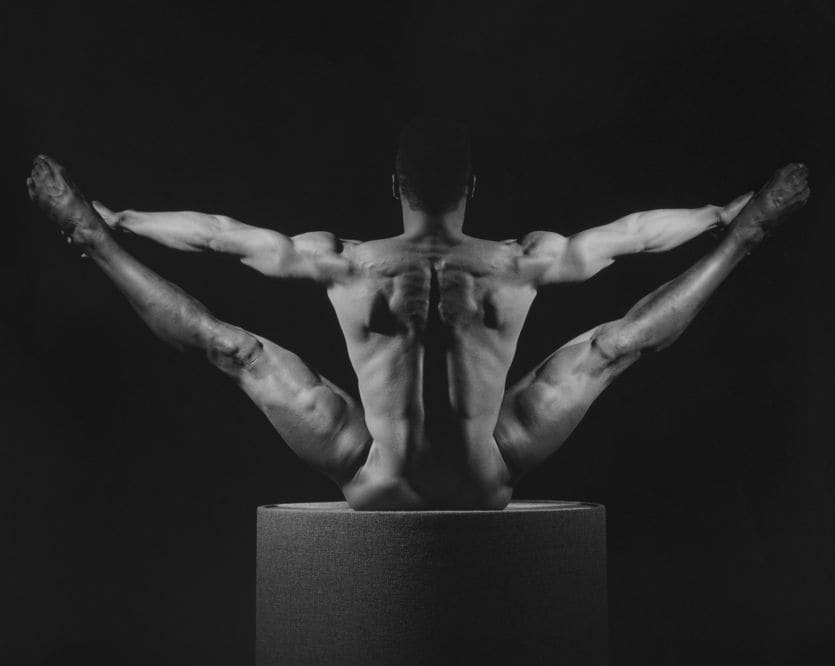
Mapplethorpe between desire, censorship and the expanding market
Until 17 May in the rooms of the Palazzo Reale brings together a wide selection of works. Legal battles and its market

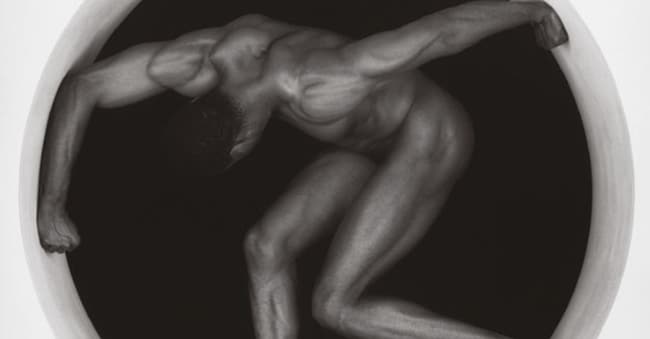
For the first time, Milan is hosting a major retrospective devoted to Robert Mapplethorpe. From 29 January to 17 May 2026, the rooms of the Palazzo Reale will host "Robert Mapplethorpe. The Forms of Desire", an exhibition that brings together a wide selection of the American photographer's most iconic, powerful and non-conformist works, enriched by a significant collection of previously unpublished shots.
L’artista
Born in New York in 1946 and died in Boston in 1989, aged just 42, Mapplethorpe was one of the most incisive interpreters of the counterculture between the 1960s and 1980s, when creativity became a political gesture and the arts merged into new languages of freedom, sexual identity and individual affirmation. His photography, which began almost as a game, as personal experimentation, with a Polaroid camera, soon became a true vocation, exercised with an almost marble-like precision, applied to subjects that at the time were considered marginal or underground.
The Italian Trilogy
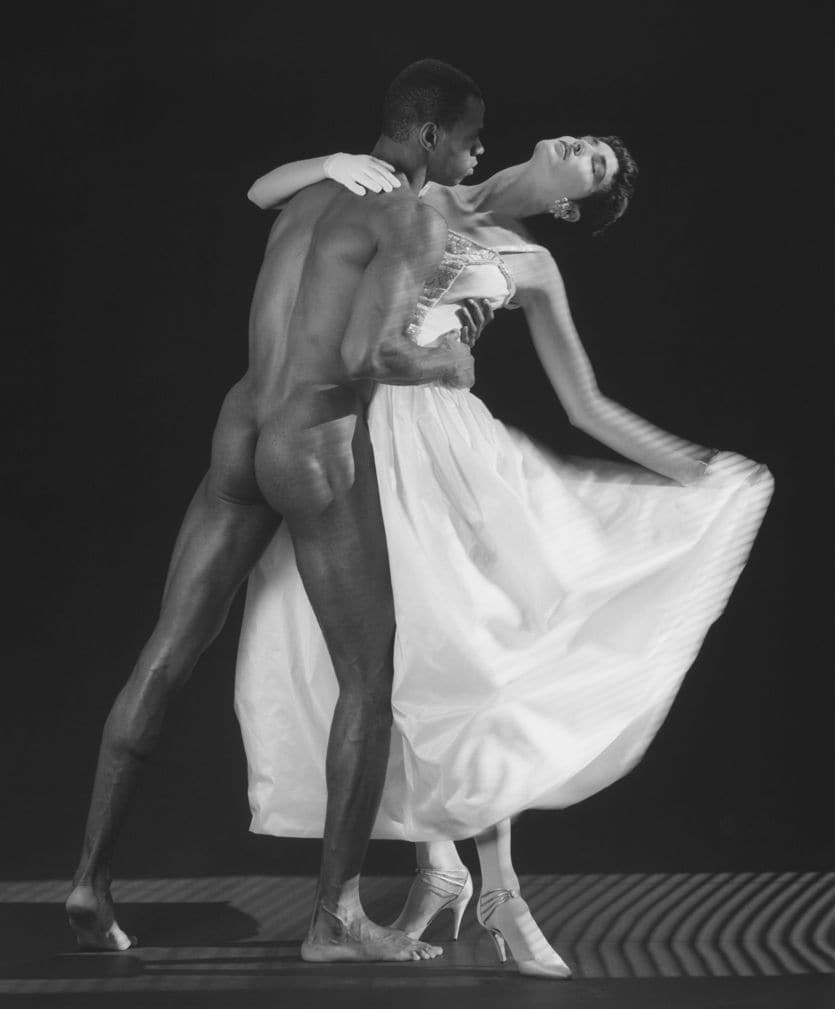
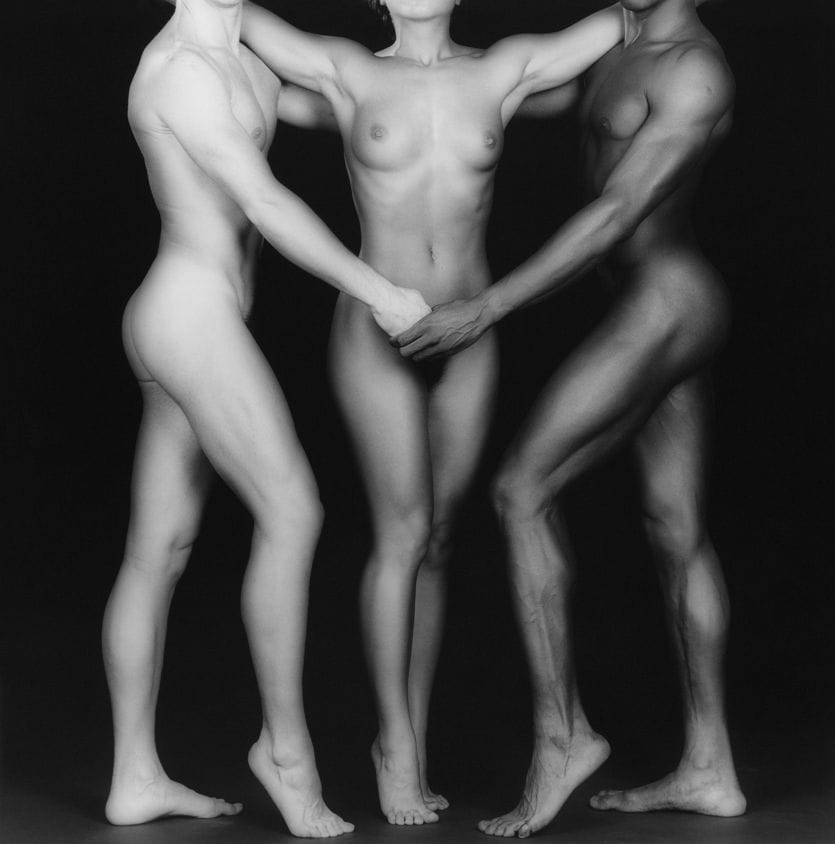
Milan represents the second stage of an exhibition trilogy that began in Venice, dedicated to the 'classical', and will continue in Rome with the theme of the 'beautiful'. The Milan chapter focuses on 'desire' and its aesthetic rendering: the protagonists are his famous nudes, sensual and rigorous, characterised by a formal perfection that recalls a sort of Greek and Olympic mimesis. The musculature, the physical tension, the body sculpted by light and contrasts become the privileged means to sublimate his artistic investigation. The juxtapositions of the works, which do not follow a chronological order, are charged with erotic tension and stand out against a pastel, innocent backdrop. "Self-taught," emphasises curator Denis Curti, "Mapplethorpe received in 1975 from Sam Wagstaff, his mentor and companion, his first Hasselblad, the medium format camera that enabled him to achieve the sculptural precision and perfect whites and blacks for which he is universally known today. The aim of the exhibition is to put him back in the dimension of the highest photography, among the most important photographers of the 20th century, beyond provocation and beyond censorship".
The construction of such a wide-ranging itinerary was made possible thanks to the collaboration with the Robert Mapplethorpe Foundation in New York, founded by the artist himself in 1988, a few months before his death, not only to protect his work, but also to support medical research and projects linked to the fight against HIV.
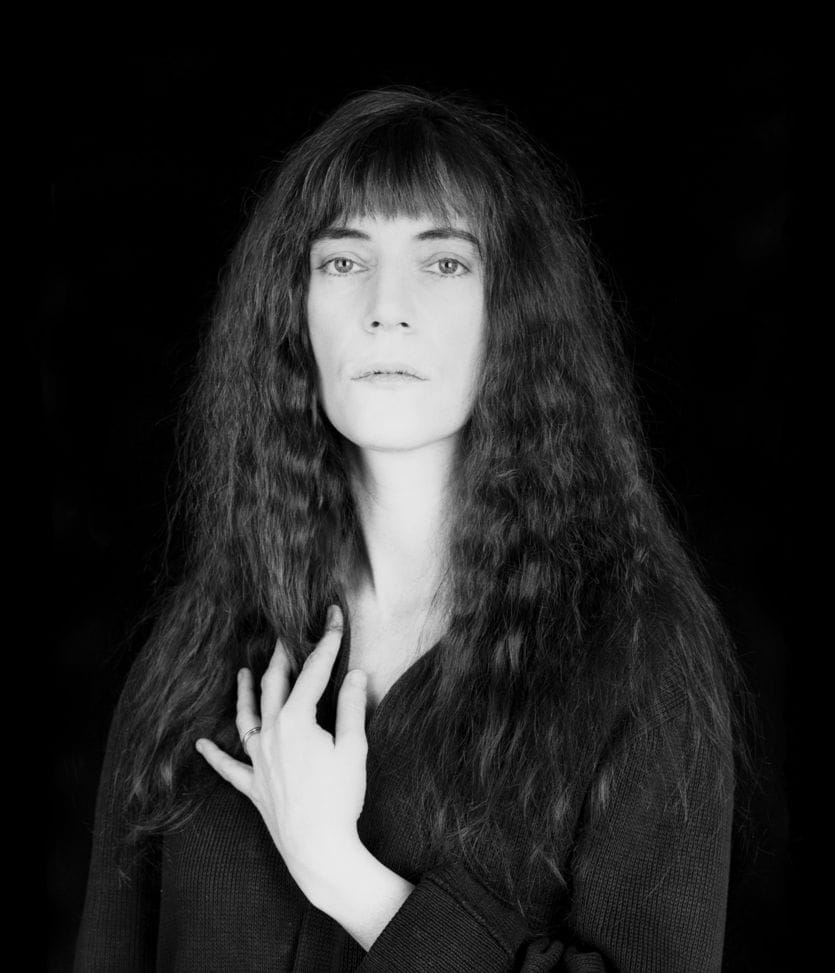
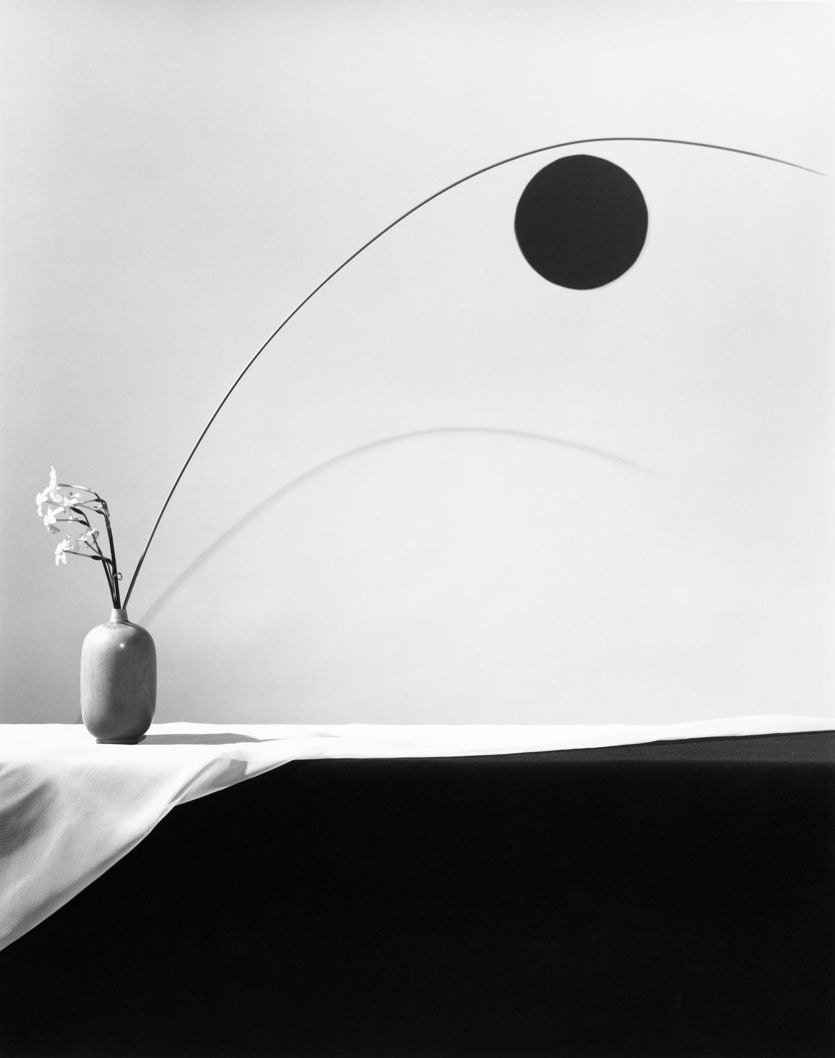
The Milan exhibition is divided into several thematic sections and brings together over 200 works, retracing the entire evolution of his language: from the experimental beginnings to the floral still lifes, from the portraits of artists, musicians and intellectuals to the stylistic maturity marked by the famous studies of the male body.
The case-study
Mapplethorpe's artistic career is, in fact, inextricably linked to legal disputes. One of the trials, which took place in 1990, concerned 7 photographs (out of 175) from the retrospective exhibition 'The Perfect Moment' at the Cincinnati Contemporary Arts Center (CAC) and saw as defendants the CAC and its director, Dennis Barrie accused of exhibiting pornographic material under Ohio law. The defence invoked the First Amendment of the US Constitution (artistic freedom) and the aesthetic value of the works. The final acquittal of the CAC and Barrie fuelled a wide-ranging debate on the relationship between art, obscenity and public funding of culture in the United States in the context of the growing political conservatism of the early 1990s.
Collecting
This triptych exhibition now allows Italian collectors to confront themselves with a complex and divisive author, or to discover him for the first time.In Italia, Mapplethorpe is represented by the Franco Noero gallery in Turin, which presented some of the artist's works between April and May 2025. On the international market, his most famous shots reach at auction estimates between 250 and 350 thousand dollars for the most iconic images, such as 'Man in Polyester Suit' (1980), sold by Sotheby's New York in 2015. A part of the production, on the other hand, is in a more affordable range, generally between USD 20 and 50,000, while self-portraits frequently fetch around USD 100,000. His (last) 'Self-Portrait' of 1988 had caused a particular stir, which fetched over $700,000 at Christie's in 2017.
Mapplethorpe's works are now held in the collections of some of the most important international museums, including the Museum of Modern Art (MoMA), the Centre Pompidou, the Tate, the Solomon R. Guggenheim Museum, the Whitney Museum of American Art, the Metropolitan Museum of Art, the National Gallery of Art in Washington, the Louisiana Museum of Modern Art, the MOCA in Los Angeles, the Dallas Museum of Art, the Museo Reina Sofía, the Art Institute of Chicago and the Moderna Museet in Stockholm. The Milan retrospective is thus part of a broader process of critical and historical reinterpretation of Mapplethorpe's work, today increasingly recognised for its formal value, technical refinement and ability to still question the relationship between art, identity and desire. Beyond the scandal, beyond the label of provocateur, emerges the portrait of a central author in 20th century photography.