Marcel Nies' collection beats estimates at Christie's
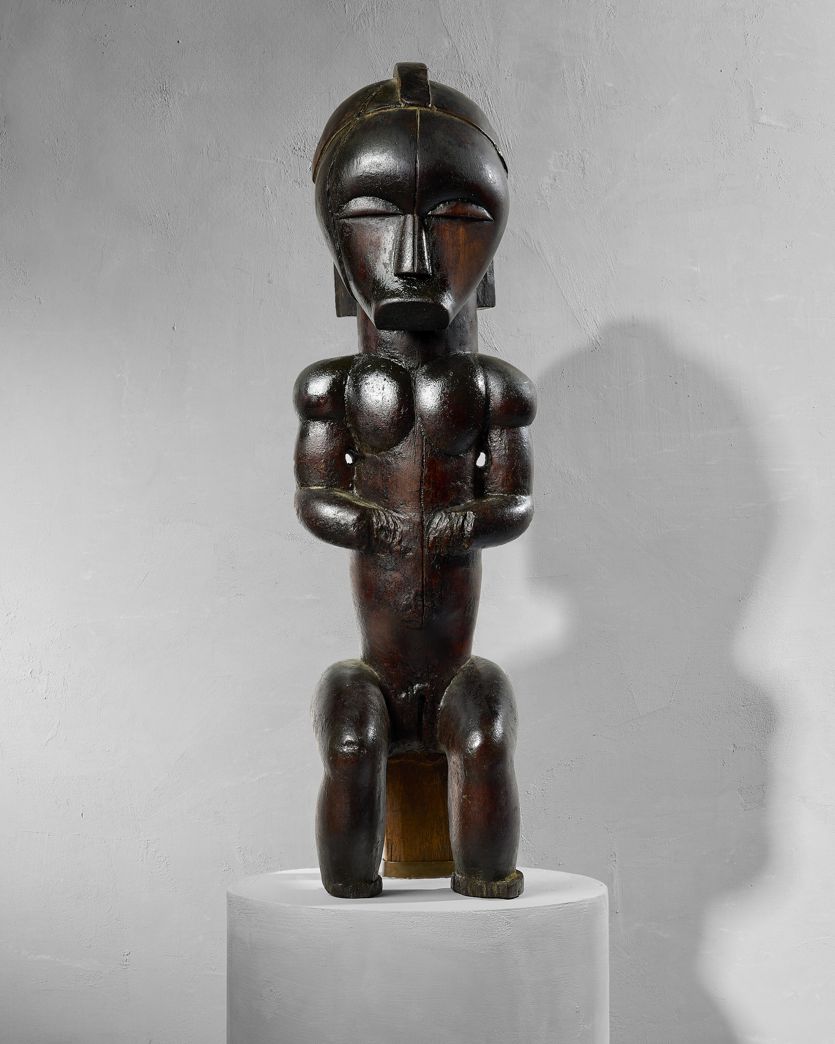
36 out of 47 finds sold, top lot of the auction was a Fang reliquary figure (Gabon), which fetched €736,600

Key points
On 26 March Christie's auctioned in Paris thecollection of Marcel Nies, a dealer from Antwerp who started buying African and Oceanic works in the 1970s looking for, as he put it, "sculptures of exceptional quality and endowed with an expressive force capable of provoking a visceral reaction".
On this occasion, 36 out of 47 exhibits were sold with a sales percentage of 77%, however given that the total auction revenue was EUR 2,913,380, the percentage of sales on the minimum estimate of the works offered came to 155%. It is clear, therefore, that Nies' quest for beauty was rewarded, although it seems clear that the sale results were significantly affected by the ongoing wars, which did not allow the very rich Russian and Arab collectors to travel to Paris to see the works on offer in person.
The results
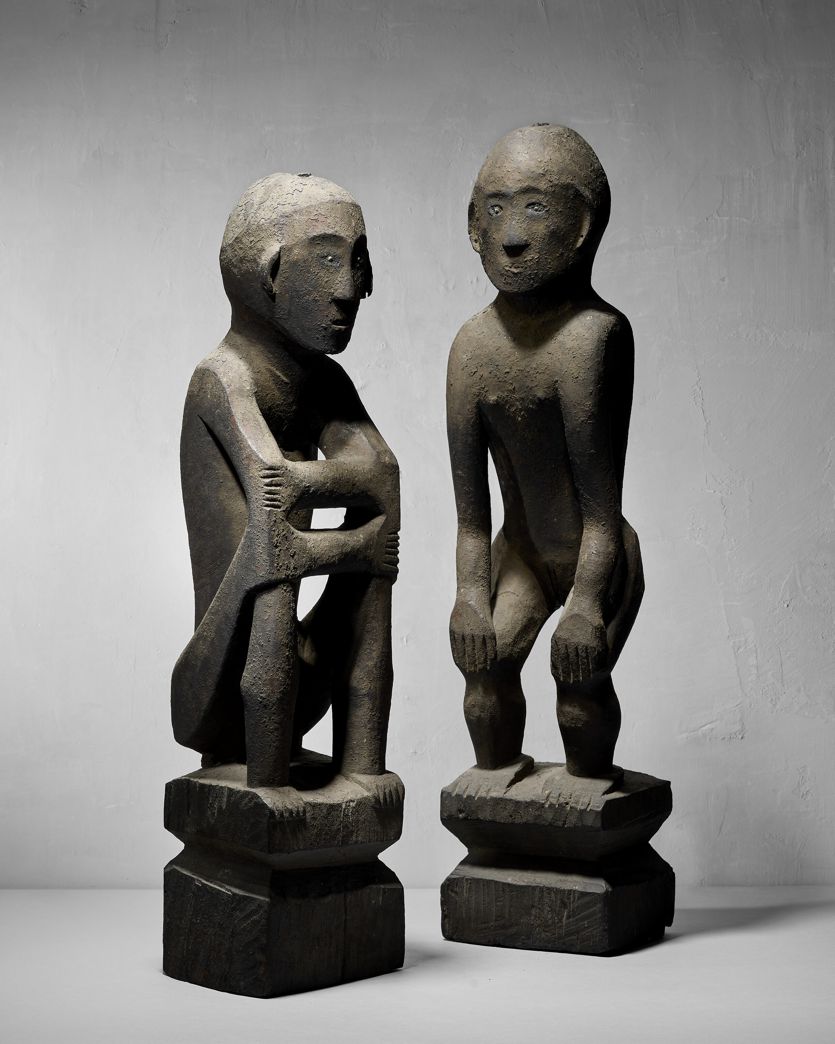
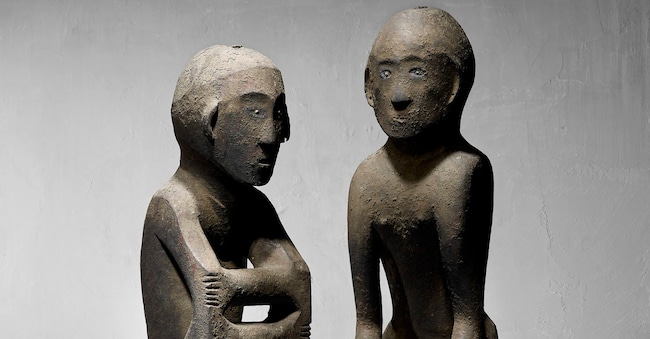
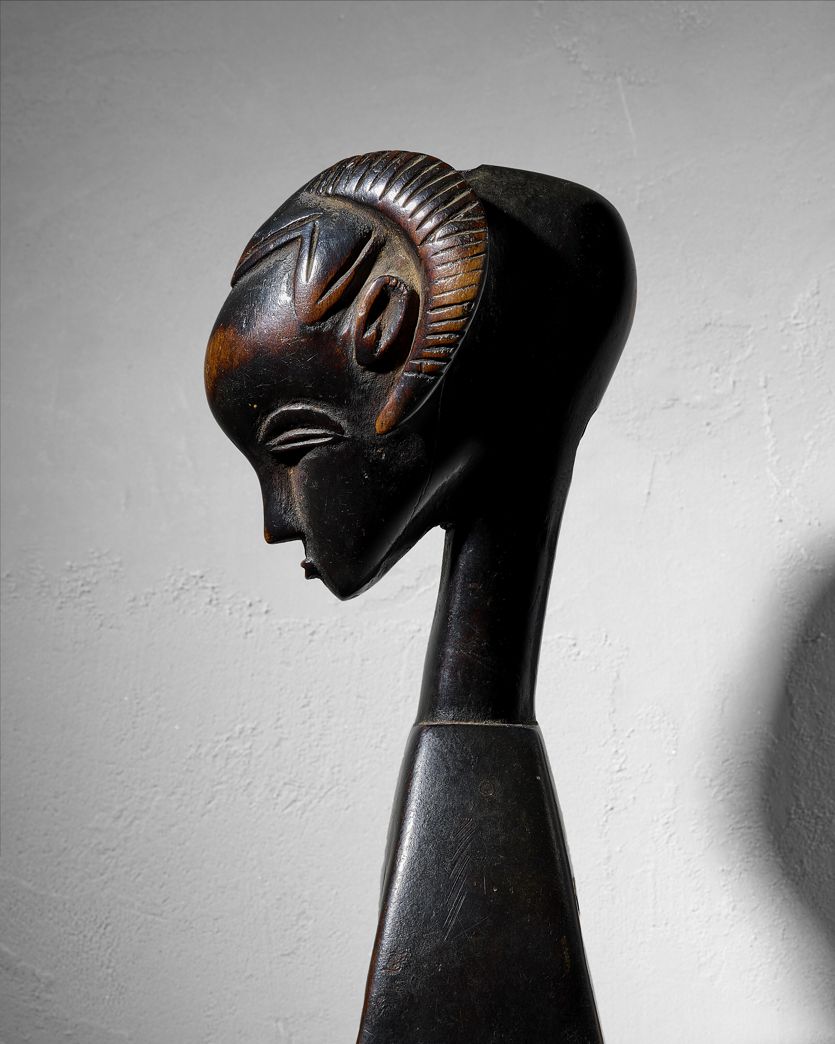
The top lot of the auction was a fang reliquary figure (Gabon), which, starting from an 'estimate on request', fetched €736,600, putting it roughly in the average range of results for this type, although it was assumed that it was probably made in the same workshop as a similar work in the Saint Louis Art Museum. In second place is aGuro loom pulley (Ivory Coast), which, although estimated at EUR 40,000-60,000, sold for EUR 304,800, a new world record for this type. This exploit is certainly due to the fact that the find was rightly attributed to the Bouaflé Master, the creator of another pulley with a slightly different head, which in 2018 in another Parisian auction had sold for €91,812 from an estimate of €20 - 30,000. It was followed by a pair of bulul Ifugao (Philippines) statues that, reaching €279,400 with an estimate of €40,000 - €60,000, ranked among the archipelago's most prized ethnic finds.
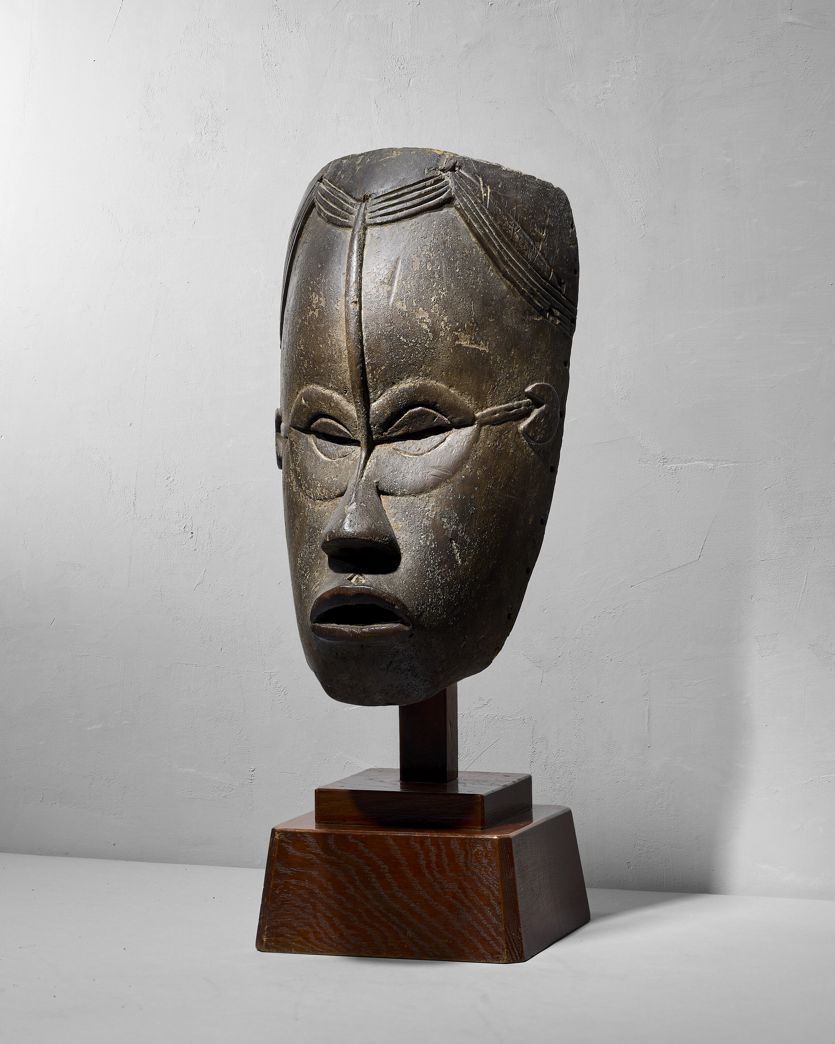
In addition, thanks to Nies' focus on the attribution of artefacts of 'other' art, the auction also featured the works of three other recognised artists, all from ethnic groups located in today's Côte d'Ivoire: the Maestro di Gonaté, who made a Bété Guro mask sold for 241.300 euro (estimate 200 - 300 thousand euro), the Maestro D'Ascher, who made a Baulé statue sold for 27,940 euro (estimate 20 - 30 thousand euro), the Maestro dei Yasoua who made the mask sold for 19,050 euro (estimate 15 - 25 thousand euro). Finally, it should be mentioned that the author of the loom pulley is attributed a Guro statue that remained unsold and was estimated at 25 - 35 thousand euro.
It is therefore evident that, on the one hand, not the entire market is now interested in masters and that, on the other hand, attributions have to come to terms with the hierarchy and quality of the works.