The anniversary

Marco Rubio lights the fuse on the Tiananmen events and puts relations between Washington and Beijing in the balance

US Secretary of State criticises Chinese censorship of Tiananmen events, triggering harsh reaction from Beijing
by Rita Fatiguso

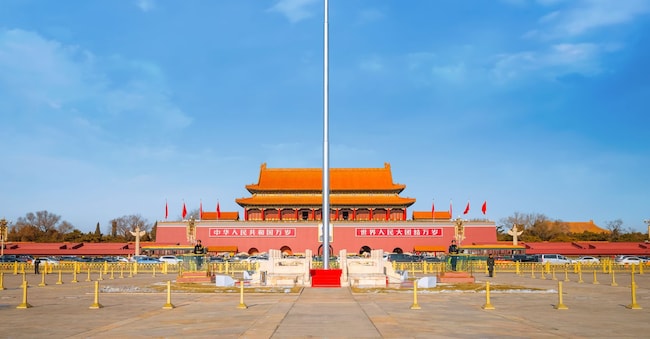
Pechino, Cina - Piazza Tiananmen, che prende il nome dalla porta Tiananmen della Città Proibita, è una delle piazze urbane più grandi al mondo coward_lion - stock.adobe.com

2' min read

Translated by AI
Versione italiana

2' min read

Translated by AI
Versione italiana

On the anniversary of the events in Tiananmen Square, 4 June 1989, US Secretary of State Marco Rubio throws fuel on the fire in relations with China by claiming that 'censorship could not "erase" the 1989 repression'.

Those events that happened 37 years ago, mass protests to which the authorities reacted forcefully in order to re-establish the status quo, are still a controversial topic in China today, to the point that any mention of them is forbidden.

Loading...

Beijing's reaction

A damnatio memoriae that clashes with extremely challenging statements at a time when the US and China seek, after the recent summit in Beijing last month, to re-establish a reasonable balance in bilateral relations.

Indeed, Rubio's words were enough to trigger reactions from the Chinese government, which responded sharply through Foreign Ministry spokeswoman Mao Ning. 'The erroneous remarks made by the US side distort historical facts,' she said, 'defame China's political system and development path, and constitute interference in China's internal affairs. "China," the spokeswoman concluded, "is strongly dissatisfied with this.

The Chinese government has never acknowledged the events surrounding the Tiananmen massacre and prohibits any form of commemoration.

Cina, Pechino a Rubio: "Smetta di interferire negli affari interni"

Rubio's history with China

There's more. Marco Rubio has a long and controversial personal history in relations with China, he was banned and sanctioned twice by Beijing in 2020 for his tough stances on human rights violations in Hong Kong and Xinjiang.

In May 2026, to allow him to get off the blacklist and attend the official summit with Donald Trump in Beijing, the Chinese authorities jumped through hoops.

Hypotheses have run riot, the Chinese would have used the expedient of changing the transliteration of his surname in official records to 'Marco Lu' (or 'Lubio'), technically leaving the sanction on the old name but allowing him to enter the country. Since this would be quite a daring ploy, it seems that the green disk was allowed by framing his statements at a stage before he took office as Secretary of State.

The parallel with Pelosi

In any case, strangely enough, Republican Rubio's position traces that of former Speaker of the House Nancy Pelosi, a Democrat, who in August 2022 wanted to meet Taiwan separatist party leader Ing tsai wen in Taipei at all costs, which brought the Taiwan Strait to the brink of war.

A human rights pasionary as early as 1991, two years after the events in Tiananmen Square, Pelosi stepped away from her official escorts in Beijing to unfurl a hand-painted banner in Tiananmen Square that read 'To those who died for democracy in China'.

The Chinese police quickly intervened and forced the congressional delegation to leave the group. From then on, Pelosi never stopped criticising China.

Copyright reserved ©
Loading...

Brand connect

Loading...

Newsletter

Notizie e approfondimenti sugli avvenimenti politici, economici e finanziari.

Iscriviti