Marzotto, the history and future of textiles in Italia pass through custody and innovation
Meeting with group CEO Davide Favrin on record investments, focus on the supply chain, sustainability and care for the land and the community: 'This is what we have been doing for 190 years'

VALDAGNO (Vicenza) - "Textiles and the land are very similar professions: you have to understand the moment, be able to make predictions, have confidence": this is one of the many lessons Davide Favrin has learnt over the years at the helm of Marzotto, Italy's largest textile group and one of the oldest in the country. Founded by Luigi Marzotto as an artisan wool mill along the banks of the Agno river in 1836, when the area still belonged to the Lombardo-Veneto region, in the 190 years in which generations of courageous and visionary entrepreneurs have followed one another, helping to write Italy's economic history, it has become a group with a turnover of around 300 million euro, 3,500 employees, factories in four countries and ten brands, from Guabello to Lanerossi, Fratelli Tallia di Delfino and Tessuti di Sondrio.
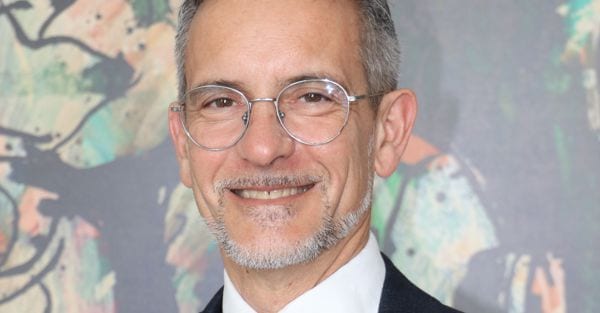
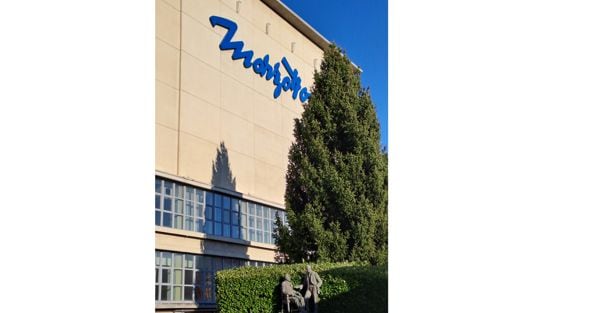
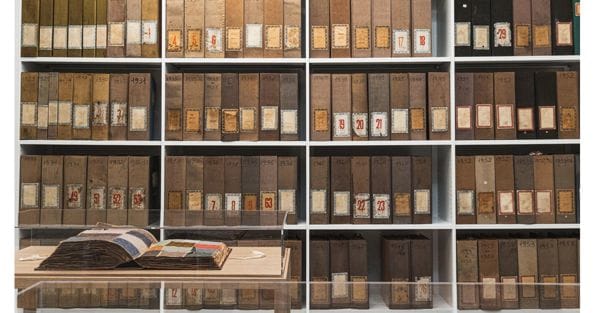
Favrin has been managing director of the group since 2018 and two years ago, upon taking over the majority stake, he became the first owner without the Marzotto surname. It is a challenge, a responsibility, between past and future that follow each other in the spaces of the historic factory, among the turn-of-the-century buildings with their carpets, busts and vintage furnishings, and in those, entirely contemporary, of the new Marzotto Textile Archive, which houses over a thousand volumes that have been recovered, restored and catalogued: 'It was a disused space,' Favrin emphasises, 'now for us it is a new way of telling our story, especially to the new generations that do not know the textile industry. In fact, we have many projects dedicated to schools, although the archive is conceived as a heritage open to everyone'.
For textile companies, telling the story is crucial, but difficult. Could we go back to the press kits of the seventies, where stylists, like Walter Albini, also indicated who produced the fabrics for their collections?
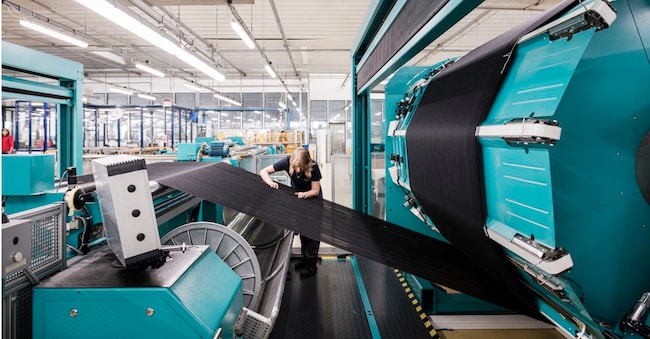
"It would be useful, but today it is sustainability issues that work above all. For us it is natural and necessary and we pursue it at all stages of our long supply chain, from the wool bale to the finished fabric. Consumers and companies are increasingly interested in these aspects, the former to understand what they are spending their money on, the latter to give value to their products. I believe that this channel will be increasingly important to make us known and appreciated
The moment is complex, not only for the textile industry. How is the Marzotto group doing?
"Although with different causes, crises follow one after the other, creating a continuous, structural crisis that we have to know how to manage. But we are doing well, in the last year we recorded an ebitda of 23 million. After Covid, we decided to focus even more on high quality, a choice that is paying off, like that of divesting activities that are unfortunately no longer profitable or that are not part of our core business'.
From Chanel to Hermès, in recent years many groups and brands have entered the capital of textile companies in Italy, to preserve their production, sometimes at risk. For you, it is a commitment that you have been carrying on for decades.
"Yes, it is a characteristic of ours and also a strength: most companies have only one brand, we have several, and we maintain their peculiarities, even if this implies higher costs: we do not have only one designer, only one sales manager for all the brands of the group. This approach also allows us to be in balance in times of difficulty: for example, during Covid, Ratti (the silk mill in which Marzotto controls the majority, ed) was doing very well and Marzotto was losing 20%. Now Ratti is in difficulty, due to the luxury crisis, but we support it. It is a benchmark company for silk, it has great intrinsic value'.