
Masbedo: our cinema, a visual novel
On the occasion of the Venice Film Festival, the artist duo re-shot their second feature film, Arsa, and talk about upcoming projects

4' min read
4' min read
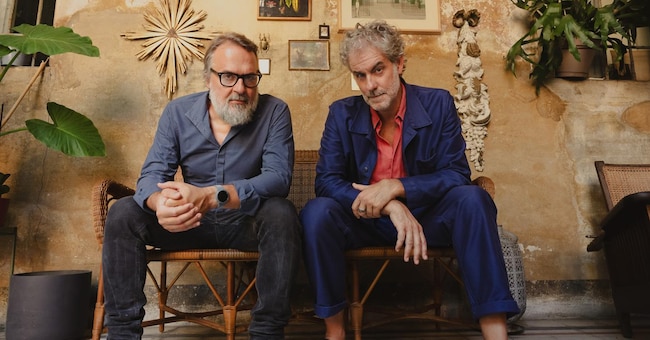
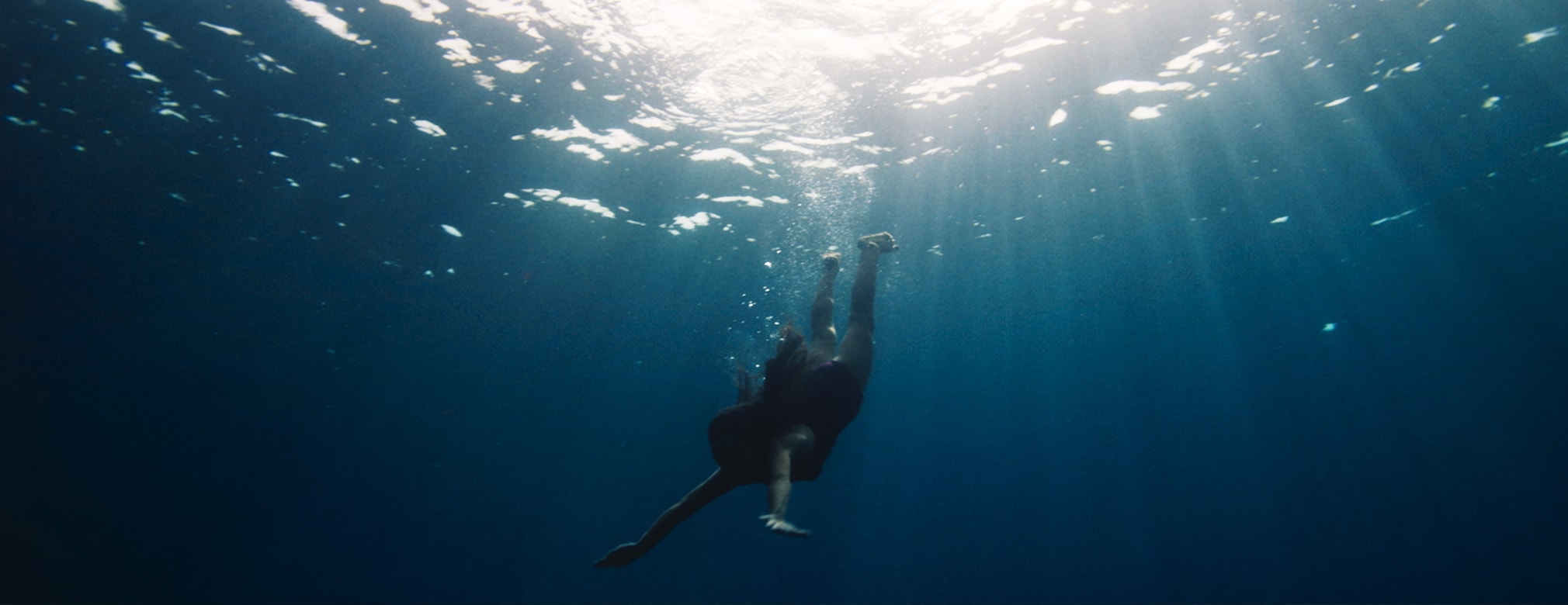
During the days of the 82. Mostra Internazionale del Cinema, the Venetian festival Cinema Galleggiante ~ Acque Sconosciute - off the Giudecca - also hosted the screening of "Arsa" (2024), the second feature film by Masbedo, born Nicolò Massazza (1973) and Iacopo Bedogni (1970). The first had been 'The Lack', in 2014, produced byBeatrice Bordone Bulgari, who also produced and wrote the subject of the latest film. "Arsa" - the story in images and breaths of the life of a girl who has decided to live in solitude on Stromboli, untouched by technology - had already premiered at the Rome Film Festival in October 2024. Venice was the occasion for its presentation to international distributors, in the wake of the strong interest aroused by the film, distributed by Fandango. A work that sees the spectator as the subject and not as a passive user of entertainment, as the two artists tell us before the screening in this interview.
In the Masbedo's artistic journey, was cinema a necessity or a possibility?
Iacopo Bedogni: Definitely a necessity, linked to an impossibility of defining our identity. We are absolutely hybrids. And today, in those so-called 'off-format' works, we seem to hotels a completely free possibility of inspection. The same as we have found in opera (Masbedo have so far directed four operas: the latest, Donizetti's Il diluvio universale, ndr). These are increasingly attractive and receptive paths in the search for the meaning of the image, and will be increasingly so. If one works with moving images, one cannot fail to visit the cinema at some point.
Nicolò Massazza: We are born in a territory foreign to art academies, more related to writing, to literature. To cinema as 'blood': even in our more purely artistic works, there is an aesthetic dominance that comes from the complexity of cinematographic language. We hardly feel the need to tell an image just to tell it. When we have to construct it, we feel the urgency of a tension towards the spectator, towards the retina of the beholder. The power of cinema is incredible. Jacopo and I are two complex people, and complexity fascinates us.
Back to literature....

