
Motherly love is not always the solution
In Pucci Romano's debut novel, the feminine, disability, human weaknesses and the strength of feelings

2' min read
2' min read
The Solution reminds us where we come from. It reminds us what women we were. And what women we still are. A novel that evokes many feminine nouns, strength, determination, resilience, intelligence, aptitude for sacrifice and care, motherhood, love, generosity. And many of the provincial communities of the turn of the century, prejudice and judgement, patriarchy and ignorance.
Romano tells the story of the South at the turn of the century, but the dynamics are the same as in any small town in Italy, where social roles and respectability are treacherous codes, to be displayed and then violated in secret.
La Soluzione is a novel with a veristic flavour, the language dry, impersonal, the language of the dialogues dialect, the sad events of the characters intertwine in the hope of a way out of the conditions in which adverse fate has forced them. But unlike Verga's trajectories, destiny recreates for the protagonists, after many misadventures and moments of apparent serenity, a new equilibrium that is not punishment or further misfortune.
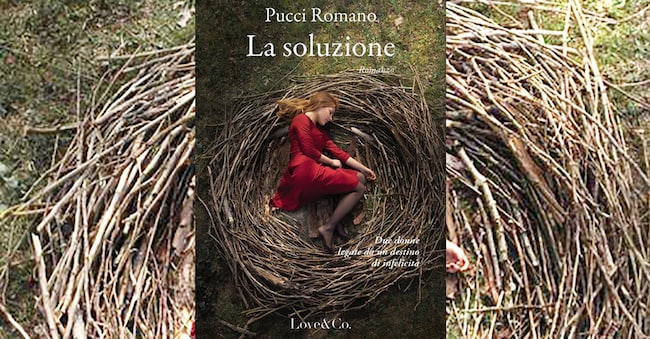
Fortuna, a mother with a son suffering from severe mental retardation, does not accept fate and seeks in a contract the solution to her son's future, once he is alone in the world. A marriage of convenience and a financial arrangement, with the complicity of a nun and a priest, is proposed to Adelina, an orphan raised in a convent, fragile and alone. In exchange for security and material goods, Adelina accepts the proposal and finds herself a prisoner of a life she did not choose.

