
Mattarella has enacted the electoral law
The go-ahead was given this evening following a review of the latest version of the bill

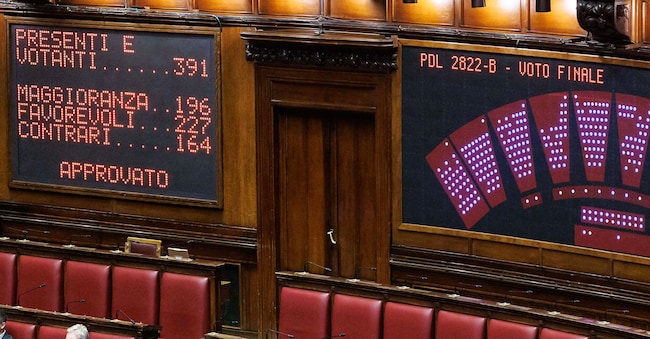
Mattarella’s signature came in the evening, following a review of the latest version of the bill. The ‘Melonellum’ is therefore now law, but it will be promulgated following consultations between Palazzo Chigi and the Quirinale. In fact, there were several points on which the Head of State had identified clear unconstitutionality that would have prevented him from signing. Firstly, the threshold for receiving the majority bonus, which has been raised to 42 per cent but also the clarification that the designation of the Prime Minister on the ballot paper does not affect the prerogatives of the Head of State, as well as the inclusion in the bonus calculation of votes cast for parties that will not reach 3 per cent.
Now, even if these points were correct, that does not automatically make the law constitutional. Nor does Mattarella’s signature serve as a seal of legitimacy: as is well known, the power to rule on such matters lies solely with the Constitutional Court. The appeals are already prepared, and the Court is preparing to deal with them swiftly, given that time is of the essence and the parliamentary term is drawing to a close – particularly if elections are to be held in May or June.
In short, the Head of State’s signature brings one phase of the Melonellum to a close, but not the whole battle over constitutionality, which is now being fought in the building opposite the Quirinale, at the Constitutional Court.


