
The Matthieu Blazy effect on Chanel’s first half-year results: revenue rises by 16 per cent
Data compiled by Bloomberg confirms the success of the first collections by the creative director who revitalised Bottega Veneta

Key points
Not only the ranking known as the Lyst Index, based on online searches, but also sales data from shops around the world. The former has just confirmed, for the April–June period, Chanel’s leadership in the top ten most sought-after brands; an analysis published by Bloomberg highlights the brand’s success in terms of revenue. In both cases, these figures relate to the first half of 2026: the next Lyst Index will cover the third quarter, whilst the turnover figures relate to the first half of the year and have not been confirmed (nor denied) by the French fashion house, which is not publicly listed and publishes its revenue and profitability figures once a year, between mid- and late May.
The picture painted by analysts
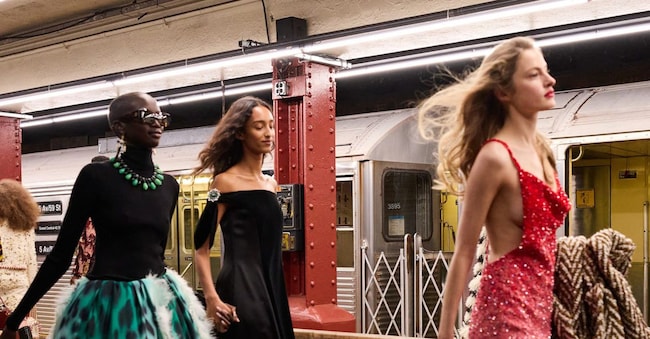
Chanel’s sales – according to a Bloomberg report – saw double-digit growth in the first half of the year, outperforming competitors in the luxury sector, including LVMH, thanks to strong spending by the brand’s wealthiest customers on the first collections designed by Matthieu Blazy to hit the shops, the creative director who took over from Virginie Viard, who in turn had taken over from Karl Lagerfeld, who passed away in February 2019. Chanel’s like-for-like turnover grew by around 16 per cent during the period, according to a source familiar with the results, who preferred to remain anonymous as the figures have not been made public. Sales in the fashion division, the group’s largest (the other two being jewellery and watches, and cosmetics), also grew by a similar percentage. “The collections by Blazy, who is in charge of ready-to-wear, haute couture and accessories, were launched in March and proved very popular, despite the challenging geopolitical and consumer environment,” wrote Bloomberg.
No comment from Paris
Bloomberg contacted the fashion house, which did not, however, comment on (or deny) the figures. The company, which is not listed on the stock exchange, publishes its annual results once a year and in May announced a 1.8 per cent increase in sales, reaching $19.3 billion in 2025. In the first half of this year, Chanel’s turnover increased across all regions, including China and the Middle East. Growth was driven by the United States, where sales jumped by over 25 per cent, according to the source spoken to by Bloomberg. Similar trends continued into July, although full-year performance is likely to be lower than in the first half of the year, as the basis for comparison will become more challenging. Sales in the watches and jewellery division rose by around 35% over the half-year, partly thanks to the Coco Crush jewellery line, whilst watch sales also grew. Turnover in the perfumes and cosmetics division rose by around 8%, the source concluded.
A comparison with the leading names in luxury
Chanel’s performance comes after a mixed earnings season for the leading luxury brands. Richemont reported quarterly sales growth of 20 per cent at constant exchange rates, driven by strong demand for its Cartier jewellery, whilst LVMH saw organic sales in its key fashion and leather goods division rise by 1 per cent. This division includes Christian Dior, which changed its creative direction at around the same time as Chanel, with Jonathan Anderson taking over from Maria Grazia Chiuri, who was subsequently appointed creative director of Fendi. Blazy and Anderson are the greatest talents working today: the former had revitalised Bottega Veneta (Kering Group), whilst the latter had breathed new life into Loewe (LVMH Group).
Sales driven by clothing and accessories
Chanel’s fashion division generates around 60 per cent of the brand’s turnover, whilst the watches and fine jewellery division accounts for around 15 per cent and the perfumes and cosmetics division around 25 per cent, according to the Bloomberg source. The group’s first-half results are “good news for the sector, but more challenging for competitors”, wrote Kepler Cheuvreux analyst Charles-Louis Scotti in a note following the Bloomberg report. “Chanel is likely to regain market share from competitors such as Hermès and Dior,” he added. Chanel is owned by brothers Alain and Gérard Wertheimer, whose net worth is estimated at around $46 billion each, according to the Bloomberg Billionaires Index.

