Maxi autonomy for electrified fleet thanks to super hybrids
The availability of plug-ins with a range of around 100 km is expanding, an area where competition between European and Chinese manufacturers is fierce

Record mileage, over 100 kilometres in all-electric mode and reduced costs for users. Plug-in cars with generous autonomy, increasingly dubbed super hybrids, solve the problem of fleet electrification and at the same time eliminate the anxiety of running out of kilometres. All this with the benefit of tax advantages, thanks to a fringe benefit taxed at 20 per cent for plug-in hybrid cars, i.e. where there is an internal combustion engine, one or more electrics and a socket.
Among the phevs are the so-called 'super hybrids', a term that is becoming commonly used and indicates models with about 100 kilometres of electric range. The situation is different in the case of mild hybrids and full hybrids where taxation on the fringe benefit is as high as 50 per cent, thus reducing their interest for fleets. Mhev (Mild Hybrid Electric Vehicle) systems with 12 or 48 volt batteries working together with a small electric motor recover energy during braking.
The second step in electrification sees the presence of Hev (Hybrid Electric Vehicle) models, increasingly christened full hybrids, where the electric motor runs in conjunction with the internal combustion engine and is able to travel 100 per cent in electric mode for more kilometres than 48-volt mild hybrids. The batteries are recharged during braking and through the presence of the combustion engine, while there is no power outlet.
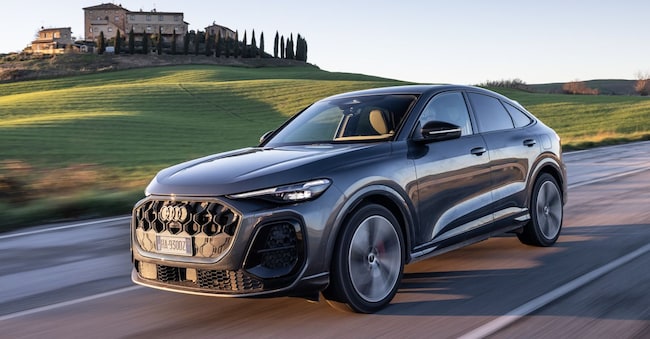
Returning to plug-in hybrid cars, the offer continues to grow month after month starting with the Audi Q5 e-hybrid powered by the 2.0-litre four-cylinder engine combined with the electric unit for a total of 299 horsepower and 100 kilometres of electric range thanks to the 20.7 kWh net battery rechargeable in alternating current up to 11 kW. There is no DC recharging, however. The reason is related to the presence of the Battery Charge function, capable of recharging the battery on the move up to 75 per cent when travelling at over 65 km/h. A solution designed to avoid the problem of always travelling with a flat battery, as happens to many company plug-in cars that have never been connected to a charging station.
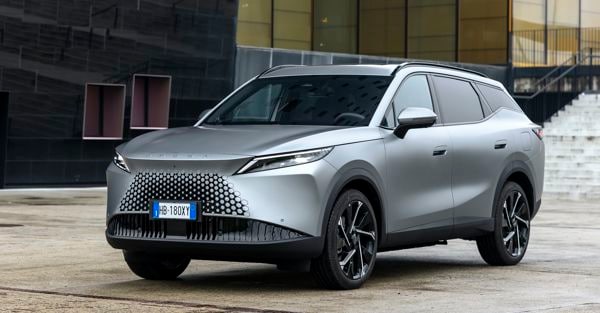
Super hybrids' are becoming a constant among Chinese manufacturers, with several models capable of travelling over 100 km on electric power, as in the case of the recent Omoda 7 Shs-P. An acronym for Super Hybrid System Plug-in Hybrid, the Chinese SUV is powered by a 1.5 Tgdi Miller-cycle petrol engine with 143 horsepower combined with two electric motors - one with 204 hp and one with 82 hp dedicated to recharging the 18.4 kWh lithium-iron-phosphate battery - for a total power output of 279 horsepower and an electric range of 92 km in the combined cycle and up to 128 km in urban areas.