
Mazzoleni opens its third gallery in Milan
After Turin and London, the Turin-based family announces a new space in the autumn. Davide Mazzoleni tells us about it

5' min read
5' min read
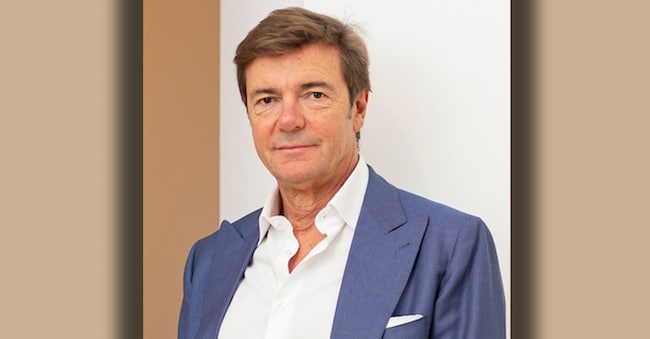
After Ropac, another gallery announces the opening of a space in Milan in the autumn: it is Mazzoleni of Turin, founded in 1986 by Giovanni and Anna Pia Mazzoleni as the evolution of their private collection, which began in the mid-1950s. Run today by their children, Davide and Luigi Mazzoleni, since 2014 it also has a space in London. Davide Mazzoleni explained why it is now coming to Milan and the current market trends.
Why did you choose to open in Milan? It was dictated by its growing importance in the international art scene. Having always been home to historic galleries and artists, there has been a significant increase in exhibition spaces in recent years. After Brexit, it has become even more strategic, thanks to its central location in Europe, a vibrant market and tax incentives. The opening of our gallery in Milan allows us to be part of this dynamic evolution. We have been thinking about this for some time.
Where will the gallery be and in what kind of space?
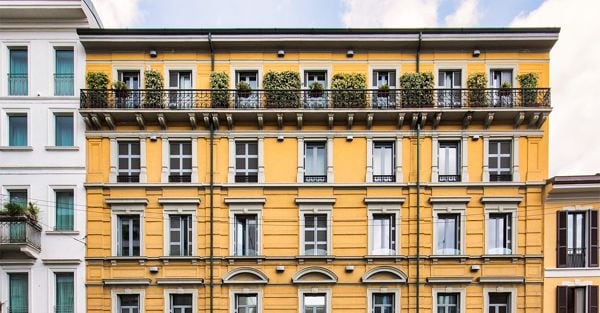
It will be located at 20 Via Senato, on the ground floor inside the courtyard of a building, in one of the most historically and culturally significant areas of the city, a few steps away from the State Archives, the Library of Via Senato, the Public Gardens, Gam and Pac, as well as the Quadrilatero della Moda.
What will be the first exhibition?
The space will officially open in the autumn with an exhibition that we will announce in the coming months and that will represent both strands of research that define our identity: the appreciation of post-war Italian art and the interest in contemporary research. We want to go beyond the traditional distinction between historicised and contemporary art, proposing an exhibition programme that is deeply anchored in the present, without generational constraints.
Waiting for the official opening, the venue will be open by appointment with a display that tells our most recent history, through the publications and exhibitions of the last decade.
In the last two years, the art market has suffered a slowdown. In what way and in what price range have you felt this?
In 2023 the slowdown was mainly concentrated at the top end of the market: sales of works over EUR 1 million contracted, while the medium-low segment showed more resilience. In 2024, the trend was confirmed for new collectors, with increased selectivity also among regular buyers, with a focus on quality, historicised works or works with solid curatorial content.

