
The measure and the face. The restless legacy of John Harsanyi

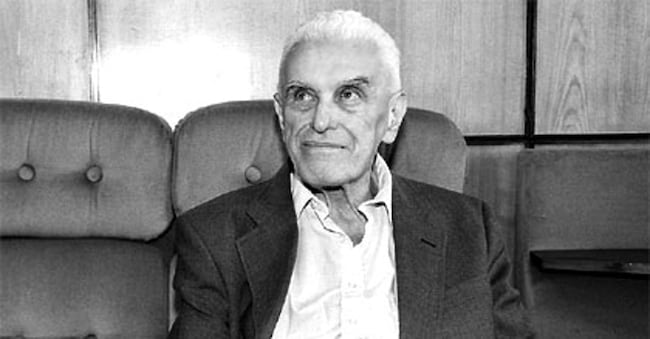
Nato nel cuore martoriato della Mitteleuropa, in una Budapest che portava addosso la nostalgia dell’Impero e le crepe del secolo breve, John C. Harsanyi, cresce figlio di una terra dove l’intelligenza convive con l’angoscia, dove l’ironia serve a sopravvivere al potere, Tra la musica di Bartók e il rumore delle macerie, vede coi suoi occhi e sperimenta in prima persona cosa può accadere quando la ragione cede all’ideologia, l’uomo viene ridotto a mezzo e la morale piegata alla forza. Forse per questo, per tutta la vita inseguì un’idea semplice e radicale: la giustizia o è fondata sulla ragione e sul calcolo, oppure non è giustizia. Non più affidata ai sentimenti mutevoli o ai dogmi del potere, ma fondata sulla chiarezza della matematica, sulla freddezza che sola può garantire l’imparzialità. Come abbiamo visto nel Mind the Economy della settimana scorsa, dietro il suo linguaggio astratto – il “velo d’ignoranza”, le funzioni di utilità, i teoremi formali – si nasconde
Harsanyi's 'utilitarianism of rules' is a promise of rationality after the chaos of totalitarianisms that he survived, unscathed but not without wounds; a compass for uncertain times that is still valid today: from welfare systems to pandemics, from climate change to artificial intelligence. Yet, this vision, so rational, well-founded and precise, has been at the centre of radical and profound criticism. Because if everything can be reduced to numbers, what remains of the unpredictable humanity that those numbers are supposed to serve? It is from this question - and the suspicion that justice cannot be exhausted in an algorithm - that the main objections to his thinking arise.
The shadows of calculation.
If Harsanyi represents the promise of a rational ethics, his critics have shown the risk of turning justice into a formal exercise, where the complexity of human experience is translated into figures, preferences, functions, but ultimately emptied of its deepest meanings. In attempting to construct a universal moral language, it is argued, it is as if one has ended up stripping morality of its truest voice.
In 1982, the Indian economist Amartya Sen and the English philosopher Bernard Williams published Utilitarianism and Beyond, a title that is a programme. It is not just a question of criticising an ethical theory, but of overcoming it, dismantling an entire worldview that reduces moral value to the mathematics of consequences. Harsanyi, with his idea of 'social utility' built behind a veil of ignorance, seemed to have found the perfect formula for impartial ethics, but Sen and Williams show that behind that apparent neutrality lies a paradox: the more abstract ethics becomes, the further it moves away from the living experience of the people it is aimed at.


