

The Mediterranean at the heart of mobility. Over half of the visas issued in the region
According to data from the European Commission, out of a total of 12.2 million visa applications for the Schengen area, 6.9 million were for European countries bordering the Mediterranean. Meanwhile, of the total of 10.2 million visas issued, over 5.9 million were for countries in southern Europe. As many as 2.8 million were visas issued to non-Schengen countries bordering the Mediterranean to the south.

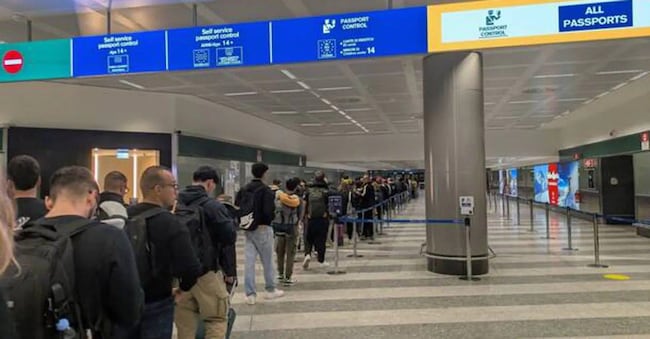
With the Covid era now behind us, cross-border travel is once again booming. Geopolitical tensions are not holding back the consular visa market, although they are forcing drastic changes in travel patterns. And there is constant technological innovation, such as the European Entry/Exit system. In the future, we can expect the gradual roll-out of e-Visas, the use of digital identity and biometrics, as well as the widespread use of artificial intelligence. The aim is to ensure transparency in visa issuance whilst maintaining border security. However, the figure that emerges most significantly from the analysis of data relating to 2025 is the central role played by the Mediterranean. According to both the European Commission and the individual embassies that publish the figures, out of a total of 12.2 million visa applications for the Schengen area, 6.9 million were concentrated in the European countries bordering the Mediterranean. Meanwhile, of the total of 10.2 million visas issued, over 5.9 million were for countries in Southern Europe. In practice, half of all legal entries – whether for study or business purposes – were concentrated in the Mediterranean.
“The Mediterranean region is a natural crossroads between Europe, Africa and the Middle East and continues to attract tourists, investment, students and professionals,” confirms Folco de Luca Gabrielli, an adviser to the Italia account management team at VFS Global, a leading company in the sector. “Alongside traditional tourism, we are, in fact, seeing growth in mobility linked to business, education, exchange programmes and major international events. Countries such as Italia continue to benefit from this trend thanks to their cultural heritage, the quality of their higher education provision, their industrial base and the growing role the Mediterranean is playing in the global economic balance.” This trend is also supported by other figures relating to the same category, namely the origins of non-Schengen visas. In this case, although the data is incomplete due to a lack of transparency in reporting by some nations, out of a total of 12.2 million visas applied for globally, approximately 3.4 million related to Mediterranean countries. And of the total of over 10.2 million visas issued, more than 2.8 million were for the same region. This latter figure perfectly illustrates the mobility between the southern and northern shores of the sea. People travel for study and, above all, for work.
The focus on Italia is also interesting. Here, the available figures take us up to 2024, when 1.3 million visas were issued out of a total of 1.5 million visa applications processed, representing a 16 per cent increase on the previous year. Arrivals from China and Russia dominate the figures. Next comes Turkey, which also boasts the consistently largest community of international students at our universities. Overall, visa-holding arrivals from the southern Mediterranean and the Middle East are up by 10 per cent. In 2024, Saudi Arabia even overtook the United States in the visa issuance rankings, with Morocco following just one place behind. Looking beyond a mere listing of figures and taking into account growth trends – confirmed by companies specialising in consular visa issuance – the Mediterranean region already appears to be a key hub for mobility. For education and employment. This trend means we must focus on the region, even when discussing customs issues and industrial policy. In short, the path forward seems already clear.

