
Mercosur, Europe already imports more than zero tariffs
Corn, eggs, chicken, ethanol: incoming products that exceed the quota

Key points
The agreement was sent to the Court of Justice of the European Union by a part of the Europarliament opposed to the deal. The fear is that it will favour competition from South American producers, especially in sensitive sectors such as agriculture and meat production.
Yet, the text of the agreement speaks clearly: not all goods will be zero tariffs, some will only see a reduction, while others will be zeroed up to a certain tonnage quota. The latter is the case for products such as meat, cheese, eggs, maize, ethanol, sugar, biodiesel. The intention is precisely not to favour a massive import of cheaper products to the detriment of European producers. But the EU already imports in large quantities from Mercosur, in many cases exceeding the maximum quota set by the agreement.
Eurostat numbers
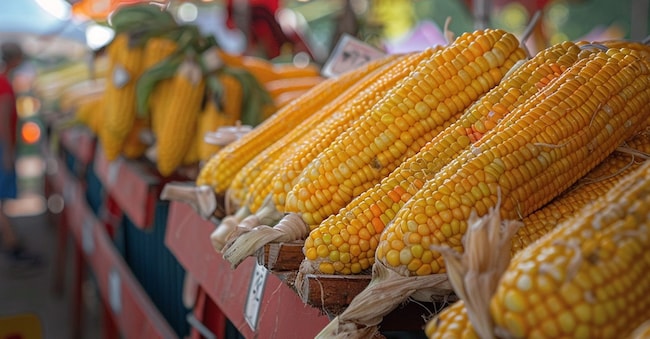
Taking Eurostat data, between January and November 2025 Europe imported 3 million tonnes of maize from Mercosur. Zero tariffs (or almost zero tariffs), if the agreement were to come into force, would only cover the first 60,000 tonnes. The remainder would enter European territory with the current tariffs. Same thing for honey: 22 million tonnes arriving from Mercosur, against a planned threshold of 45 thousand. Ditto with boneless chicken (170 thousand against 90 thousand), eggs (944 thousand against 30 thousand) and ethanol (about 1 million hectolitres of pure alcohol against a threshold of 650 thousand). We speak in these cases of 'steady state quotas', i.e. maximum thresholds that will only be reached after a gradual increase year by year. The time frame ranges from 6 to 15 years, depending on the sensitivity of the commodity.
Then there are other products that never reach zero tariffs, but only suffer a reduction of 30 or 50 per cent, as in the case of some processed agri-foodstuffs, chemicals and preparations with strong competitive sensitivities. In addition, on fresh fruit, tomatoes, citrus fruits and some sensitive vegetables or fruits, a tariffs correction is applied according to the import price: if this is too low, an additional tax will be levied. Then there are highly sensitive items (mostly agricultural products, where one wants to avoid too aggressive price competition) that are excluded from tariff relief or fixed at a specific tariffs.
This is a method already experimented by the EU in other trade agreements, such as for Canada (entered into force in 2017 on a provisional basis, but not yet ratified by Italy). Understandings that are important for Europe, especially in light of the fact that, as sources inside the EU Commission recall, "in the years of the absence of our agreements, China has meanwhile moved on, carving out market shares in Mercosur".

